



Watch the episode
Listen to the episode
What should founders do when things look bleak? How do you rebuild momentum, and give your business the best possible chance of surviving and thriving?
When one pair of siblings were running The End nightclub, they found themselves £1.5 million in debt and facing enormous pressure to sell. Instead, they chose a different path, and turned the business around.
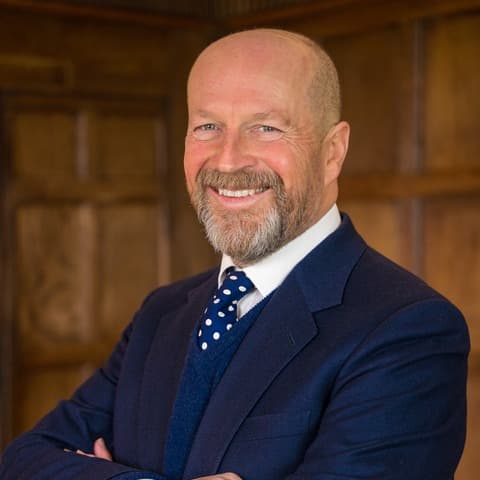
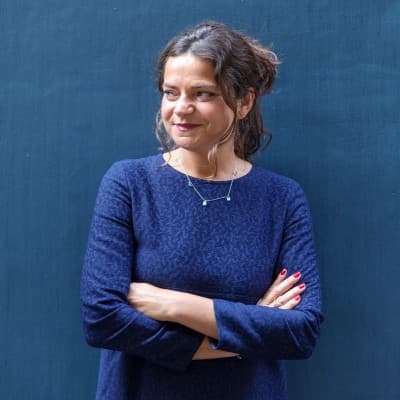
In this episode of all about business, James speaks with Zoë Paskin, Co-Founder and Managing Director of Studio Paskin. They are the independent powerhouse behind legendary London destinations like The Palomar, The Barbary, and the Michelin-starred Evelyn's Table, celebrated for maintaining flawless standards in a brutal industry.
Zoë shares the remarkable story of turning around a legendary 90s nightclub facing massive debt, stepping into leadership when no one expected her to, and the reality of selling a business at its peak.
James and Zoë explore how to scale when the broader market is struggling, how to strip down operational expenses to rescue a business, and why the best career advice may be to simply: go wherever the biggest problems are.
Timestamps (Video)
03:34 from raves to The End
13:33 becoming managing director
23:20 launching The Palomar
31:50 Michelin Star moment
37:35 Lessons and best ideas
44:32 working with her brother
Follow James Reed on LinkedIn:https://www.linkedin.com/in/chairmanjames/
Follow Zoë Paskin on LinkedIn: https://www.linkedin.com/in/zoepaskin/
Find out more Studio Paskin and their work here: https://www.studiopaskin.com/
Submit your application to Reed’s Entrepreneurs Fund for a chance to win a £20,000 grant: https://www.reed.com/entrepreneurs
James: Today on All About Business, I'm joined by Zoe Paskin, the restaurateur behind some of London's most well-known venues, including the Palomar, Evelyn's Table, and The Barbary.
James: In this episode, we discuss reinvention, building multiple brands, and the realities of running a restaurant business in a rapidly changing environment.
Zoe: It was so incredible what had been created there, and had so much potential and opportunity. So that created the in, really, to do a project in London, which was gonna be a pop-up, but then in the end, to do anything to the standard you wanna do it, and all the components of opening a restaurant, we were like, "Let's just go all in."
Zoe: When you're deep in problems in business, f- for anyone that's been there, it's, can get very, very overwhelming.
James: What sort of strikes me is that you're expanding in restaurants at a time when lots of people are saying, "Oh, it's really tough out there." What's your sort of magic formula, if there is one?[00:01:00]
James: Welcome to All About Business with me, James Read, the podcast that covers everything about business, management, and leadership. Every episode, I sit down with different guests who have bootstrapped companies, masterminded investment models, or built a business empire. They're leaders in their field, and they're here to give you top insights and actionable advice so that you can apply their ideas to your own career or business venture
James: Today on All About Business, I'm really delighted to welcome Zoe Paskin. Uh, Zoe is the co-founder and managing director of Studio Paskin, um, one of the most influential independent hospitality groups in the UK. And Zoe works alongside her brother, um, which I'd like to talk to you about later- Sure ... Zoe, as I'm interested in the, the dynamics of that.
James: And, and Studio [00:02:00] Paskin is behind several acclaimed restaurants, um, including The Palomar, which is in London, Soho, uh, The Barbary, which is in Covent Garden in London, and also Notting Hill, uh, near where I live, and Evelyn's Table in Soho, which is a Michelin star rated restaurant. Yes. And I just looked it up, and it's also rated 4.9 on TripAdvisor.
Zoe: Hello.
James: So even more highly rated than- ... our podcast, which makes me envious. And, and it's not easy to get a 4.9 rating on-
Zoe: On
James: TripAdvisor ... TripAdvisor, is it?
Zoe: No.
James: No. Well, thanks for coming in, Zoe. I know you're really busy, and um, I'm really interested and excited to learn more about your business. But what sort of strikes me is that you're expanding in restaurants at a time when lots of people are saying, "Oh, it's really tough out there."
James: So how come, and what's your, what's your sort of magic formula, if there is one?
Zoe: Um, it is really tough out there. Um, well, at the moment, um, we are doing a lot of consolidating in this current year, [00:03:00] uh, everything from guest experience all the way through, with the hope that we can do something next year. So our journey really began with The Palomar, and then our last opening was in 2024.
Zoe: So w- we're gonna go a little bit more slowly while we find our feet in the current marketplace. But we are hoping- Right ... to do something next year, for sure.
James: But I applaud you on what you've done so far. Um, really highly rated restaurants that are giving a lot of people a lot of pleasure. You started out, though, in a slightly, uh, well, an adjacent but different line of business, which was nightclubs, was it not?
James: What's the origin story of Studio Paskin?
Zoe: Okay, so it... I've got an older brother who's ended up being my co-founder, and uh, there's a few years between us. He likes- What's
James: his name?
Zoe: His name's Leo. Right. Leo Paskin. And he is part of the dance act Leo and Bushwacka. So in my teens, he was coming out of university.
Zoe: He was really into dance music, and everything in that era was breaking then. He was going to lots of warehouse parties and once he graduated [00:04:00] he said to my father, who's an architect, "If you- Right ... come across any sites before they get developed where I could throw a warehouse party let me know." Right.
James: Was, were these sort of raves-
Zoe: Yeah ... they
James: were
Zoe: in the day? In effect, yes.
James: Yeah. Right.
Zoe: So some months later, my dad came home one day and was like, "Well, I've actually found a working on a site, and on top of everything else, they actually think it might be suitable for a nightclub."
James: Oh.
Zoe: So the, the naughty innocence of maybe throwing a rave became the possibility of opening a nightclub.
Zoe: Um, but they, they didn't have any money. There wasn't... You know, but slowly he got together the people he knew in dance music, one of which was Mr. C, who was a fan of The Shamen. And, uh, without hesitation, he put the money down for the lease, and slowly but surely they raised the money. Um-
James: So where was this, and what was it called?
James: It
Zoe: was called The End.
James: The End.
Zoe: And it was not far from here. It was on the back of Drury Lane on a back street called West Central Street.
James: Right.
Zoe: Um, and so my dad was the architect of that web- of that nightclub, and in [00:05:00] 1995 they opened the doors and kind of changed the course of everything really because I was at university by then, um, obviously, and then I was sort of like, didn't really wanna just follow, like, exactly in those footsteps.
Zoe: So I actually went to live in Spain for a while, and then my brother needed some help, and that really changed the course of everything 'cause I went home for a month.
James: So he was running The End at this point.
Zoe: Yes. Yeah.
James: And, and he asked you to join him.
Zoe: Yeah.
James: So h- uh, what, what was going on? Why did he need help?
James: What was your particular sort of, uh, supporting act, if that's the right way to describe it at this point?
Zoe: So I think they'd gone from, like, all the sort of- Like, the energy of, like, underground dance music, and opened this incredible venue, um, that was designed by clubbers for clubbers. Um-
James: In the sort of heyday of
Zoe: clubbing.
Zoe: In the heyday, yeah. And, um, but it was probably a little bit ahead of its time. So converting that into a business, um, and sort of his own career was beginning to take off. Um-
James: Well, he was doing another job.
Zoe: [00:06:00] Well, he was a DJ and producer himself. Oh, so, so he kept- At the beginning of the career- So he carried on doing that
Zoe: did take off. Yeah. Exactly. So in, in the one end, it, I mean, it had a decent turnover, but you know, it was, it was hemorrhaging money really. We- They'd also opened a venue next door called AKA. Um, it was in year one, and he was just overwhelmed. He'd done all this in his early 20s. Um, he's incredibly creative person, but all of the other skills around managing a team and business- Right
Zoe: well, he didn't have particularly in his wheelhouse yet, and also didn't really have time to do it. I had a, perhaps a teeny bit more of that, but mostly led by instinct really than experience. I- Oh, you
James: were young yourself, um.
Zoe: I was young. I was younger. Mm. I still am.
James: Yeah.
Zoe: Than my brother always. He always likes to pretend it's the other way around.
Zoe: But, um-
James: You'll, you'll always be younger than him.
Zoe: Yeah.
James: So but, but you'd been in Spain. What were you doing there before you came?
Zoe: Um, I had gone out there to ... Really, I'd graduated in psychology. I think I, I still thought I wanted to be a psychotherapist, but I was like- Right ... having a year off, wanted to learn another [00:07:00] language.
Zoe: Um, I was taking the work I could get because my Spanish was pretty, uh, beginner's. Yeah. Uh, so I was painting, decorating, converting bars in the old town, um, and really just making ends meet and, and having quite a good time. Um, I just kind of renovated a sort of apartment, you know- Right ... buying things from the flea market.
Zoe: It was, you know, the beginning of my career really- Mm ... or not, not even the beginning of my career. Um, but I'd done a lot of work in bars and restaurants, you know, throughout my degree. Um, when I had graduated, I'd gone f- to work at Brown's in Saint Martin's Lane, which was about a 350 cover restaurant. So I'd learned of quite a few of the basics of, uh- So
James: you were just soaking it all in really.
Zoe: I was soaking it all in, and I was, it was hot in Barcelona at the time that we met. We actually met up in Ibiza for me to do the guest list, uh, for a, s- like a tour they were doing, which is when it all came out, but he was feeling like there's a lot to do. So I offered to come home for a month.
James: Right.
Zoe: And that led to a partnership of 10 years.
Zoe: Uh, so- So
James: a month turned into [00:08:00] 10
Zoe: years. Totally, like- What,
James: running The End in Camden?
Zoe: Yeah. I said to my boyfriend, "I'll be back, you know, in a month." And then, I mean, we always joke, I sort of landed. I went straight to a meeting, and it was so obvious so quickly I wasn't gonna be going back. And it had all of the sort of innocence of learning o- on the job but s- with, like, unbelievable speed.
Zoe: Um-
James: So what were the immediate challenges that you faced doing that?
Zoe: Well, I began really working on AKA Next Door so that he- Right ... could concentrate on the club. Um, so they had different challenges. The End had built up debt that we needed to sort out, whereas AKA was a year old, and whilst in some ways it had, you know, already...
Zoe: It was, like, again, it was a bit ahead of the curve. It was like the first DJ bar, but had a really quite refined restaurant on the mezzanine floor.
James: Oh, so it was a bar and restaurant.
Zoe: Yeah. So it was... And really it needed to take more... The restaurant and the ground floor were fighting one another, so there was, like, the cultural piece of how they're gonna work- Hmm
Zoe: sit together. Um, and so slowly sort of working away at what the [00:09:00] offering was, adding to that offering, the programming, um, and then just everything from sort of what we were spending on flowers through to cutlery, crockery, uh, the team we had. You know, there's always bad actors in a team when there's problems.
Zoe: Slowly getting the right people to fit a- all the seats of, of the place. Um-
James: So when you say bad actors, you had to sort of weed some people out of the team. Yeah,
Zoe: yeah.
James: What, what, what, what sort of bad things were they doing?
Zoe: Well, on that, in that particular project, there was a, you know, it was the era of, like, incredible mixology in London, but there was, you know, people that were just obviously taking...
Zoe: There was people with their hand in the till at the time- Hmm ... or, you know, th- their career was ahead of the business itself. Um, we needed to create a heart to that business. Um, so in many ways it, it needed someone to really nurture it, and I guess that was where I stepped in. I looked at everything from what we were spending through to-
James: But this is interesting advice for anyone who, who finds themselves in a turnaround situation which kind of- Yeah
James: I- I'm assuming this is. Yeah. Or it sounds like it is.
Zoe: [00:10:00] Yeah.
James: So you have to look at every detail, you're saying, really.
Zoe: Every single thing. I mean, I, I mean, I guess, I just l- looked everything we were spending money on or had spent money on, so, like, next time we were gonna buy cutlery, what would it cost?
Zoe: 'Cause they had really expensive- Right ... um, cutlery. What we were s- did we need that level of flowers coming to a business like that? Linen. You know, when you're losing money, it's amazing how much more money you can lose, and once you start protecting it and then nurturing it, it's, it can, the dial can s- move as well.
Zoe: So it was really just all that attention to detail, the programming to draw people to West Central Street, um, and it really then in that following year with working with my brother as well and the team and the programming, it became more of a DJ bar as well as this l- lovely restaurant on the- Right
Zoe: ground, the first floor, and just a bar downstairs.
James: So you did this, you say, for a decade.
Zoe: I ended up doing it for a decade. Um, I slowly, that was n- I got back in '99, and then in about 15 months the club was [00:11:00] in a lot of debt, and my, my brother's career was really taking off in music, and we had an offer on the table to sell to Mean Fiddler Um, but I just really didn't think we should do it, and we were kind of at, you know, s-loggerheads about it.
Zoe: Um- Oh, you
James: and your brother?
Zoe: We were. Yeah, no, and it- Was he,
James: was he in favor of selling and you
Zoe: weren't- I think it was- ... or was it the other way around? Yeah, I think at that point he couldn't see his way through it all, and he c-he didn't think... As, as the, as we were close to having to present it to the shelves, I don't think he could fully see the way through it when you're deep in problems in business.
Zoe: For anyone that's been there, it's, can get very, very overwhelming. But I was, it was so incredible what had been created there, um, and had so much potential and opportunity, although I didn't think I was the person, I believe we should try and find a managing director.
James: Right.
Zoe: And in the end, on, in the minutes before the shareholders' extraordinary general meeting to take it to the shareholders, he finally said, "Well, let's see what they, they can decide whether they wanna find a new MD or take this offer on the [00:12:00] table."
James: Did you know that there are nearly one million 18 to 24-year-olds who are currently not in education, employment, or training in the UK? This is simply not good enough, and I want to do something about it. That's why Reed is launching a new initiative, giving 20,000 pounds to young entrepreneurs to help them grow their small business.
James: Visit reed.com/entrepreneurs to find out more. We want to support and encourage the next generation of entrepreneurs. And so this was a situation that was decided by the shareholders. So who were the shareholders then?
Zoe: They were com- a mixture of, you know, some music co- Mr. C, music contacts of his, um, few, few family members, just people, you know, c- business colleagues of my dad, people- So this
James: was a
Zoe: big- A lot of small shareholders So this- About 30 shareholders
James: this was a meeting that was held then-
Zoe: Yeah ...
James: what to decide what to do.
Zoe: Yeah.
James: And one option was to sell to the mean fiddler-
Zoe: Yeah ...
James: and the other was to [00:13:00] carry on and appoint a managing director. Is
Zoe: that what was tabled? So, yeah, we presented the offer, and I, I didn't- Yeah ... really yet officially work on the EM, but I then presented the offer of let's find a new MD and, and try and turn it around.
Zoe: It's a risk. We owe lots of people money. We're in about one and a half million pounds worth of debt, which in '99 was a lot of money.
James: Still is.
Zoe: It still is- ... but it was a lot more money
James: then. Yeah, yeah.
Zoe: And, uh, the shareholders decided to go with my option.
James: Well, so you, you, you put your- Yeah ... foot on the table.
James: So, so there's a lot weighing on you then now. So you-
Zoe: Yeah ... so you're- I mean, I wasn't- You're- No one was thinking it would be me. I certainly wasn't.
James: Um- Well, to be the... Oh, so did you become the managing director? I became the managing director. Oh, so you, you pitched the, "We need a managing director," then you ended up being
Zoe: the manager.
Zoe: And then I became That's good. That's clever. It wa- it wa- I know, but it wasn't the
James: p- it wasn't the original plan. But that wasn't the or- but the share... Who, how did that come about? The shareholders said, "Why don't you do it, Zoe?" Or what was the-
Zoe: Um, it was just before Christmas. It was the 21st, I think, of December, and we said we'd sort of pick it up in the new year.
Zoe: I sort of got on with the, I guess, the turnaround work as I saw it then, and we started having meetings in the new year [00:14:00] for managing directors. They're not easy to find someone to give the keys to your business.
James: Mm.
Zoe: The, and the months went by and I was just working on the business like I had on the business next door If I'm honest, I can't really remember how it morphed.
Zoe: It just probably over ... It's quite a long time ago. I think just slowly- Yeah ... it just, it, without me even, I wasn't doing it consciously. It just, it just became my role, and then it was, it was working.
James: And, and you're the managing director today of your- Yeah ... studio- I mean the- ... Baskin group. So you've carried on in that vein.
Zoe: Yeah.
James: But then this business, this, this nightclub business, you, you ended up selling it. Is that right? Yeah. What was ... What happened? What was the story there?
Zoe: So, I mean, it was obviously an incredible decade and, but we were wondering how to, you know, what, what next. We hadn't worked that all out. And then we got an offer to exit the business because it was on a kind of island that backs off New Oxford Street, and we had w- many years left in our lease.
Zoe: But we were now incredibly successful, so the offer had to be quite [00:15:00] compelling to get, to get us to leave our lease early. And so looking at that offer and what we might ... We'd have to live may- What,
James: did someone want to redevelop the site? Yeah. Oh, I see.
Zoe: It was a compelling offer. We had been-
James: So they just needed you to move on-
Zoe: Yeah
Zoe: so they could do that ... they wanted to knock it down and, and develop it, basically. Is that what
James: happened?
Zoe: Well, it was the plan, but then it was o- by the time we actually completed, which there was a long, uh, exchange of completion, uh, it was s- summer 2009, and there was a crash, and the, it just, that whole development plan fell- Of course
Zoe: fell apart. Um, and then it's ended up ... Then some people took over temporarily as a nightclub, which was pretty heartbreaking, and called it The Den instead of The End, and they lost the license pretty quickly. Right. And it was an incredible 24-hour license by that stage. Anyway, it then sort of sat a, really empty for a long time.
Zoe: Upstairs was apartments. Um, and literally very recently they finally knocked it down, so that, that ... We closed the doors at the end of January 2009, and just now in-
James: [00:16:00] 17 years later.
Zoe: Yeah. So it's quite
James: extraordinary. The project is
Zoe: underway. Yeah.
James: For a variety of reasons. So you, you were given a good price, you say- Yeah
James: to exit the property, the premises, but that meant the end of The End- Yeah ... it seems. Is that right?
Zoe: It is, and it w- Yeah ... guess it was a decision of the head rather than the heart, 'cause I think after- Right ... after that, suddenly we closed the doors, and I literally-
James: So are you thinking sitting here now, "I, I wish we hadn't done that"?
Zoe: Um, we sometimes have these conversations. Um, I d- I don't, I think-
James: Well, knowing what you know now, knowing
Zoe: that the building is still there and, yeah ... knowing what I know, knowing what I know now, you know, nightlife had, has ta- you know, has changed dramatically in the country. I could definitely have run it for a few more years.
James: Yeah.
Zoe: Um, I would had to have begun, begun again, whatever. And I've, I guess what I know now, uh, and there's perhaps a bit more naivety at that point, is that the role I had and what we were doing, and the standards we were doing it to within the genre was so extraordinary. So to suddenly find myself without any of that, uh, purpose and [00:17:00] identity was a massive change.
James: And, and this is what happens to people who sell businesses.
Zoe: Mm.
James: Well, so you felt without purpose and identity 'cause you didn't have that-
Zoe: Yeah, I
James: just- ... to go into and run and-
Zoe: Yeah, and it was a real exciting job, you know. Yeah. On the one hand, it was obviously an all-night venue, and I was enjoying it all night- Yeah
Zoe: and all those things, but I took my job really seriously. I, I turned the company around. I worked incredibly well with my brother. We had an amazing team. Uh, loyal following. It was, it was heady times. Uh, but- Yeah ... you know, a really serious enterprise at the same time, and all of that, uh, changed, and I didn't really know what my skills were at that time 'cause I'm probably quite a- Yeah
Zoe: generalist in many ways, and I didn't know that that in itself was an asset.
James: So I've heard the phrase seller's remorse. Is that- Does that mean anything? Does that strike a chord with you?
Zoe: Look, with endings, you're always gonna feel like that until you find- Oh ... the new thing, and, and
James: it- So that was what you needed to do.
James: Yeah, yeah. And you, you realized that, I guess.
Zoe: Yeah.
James: So then- But it took time ... so then what happened? [00:18:00] So you'd sold The End- Um ... and you were, you were thinking about-
Zoe: So, yeah, I took- Next steps ... I planned to take the first, the first period off. I'd, um... So I took a year out just doing all sorts of things I wanted to do- Mm-hmm
Zoe: and then I started trying to find a new project, and I, the world had crashed as well, so, um... And I would be given all sorts of introductions, but may- maybe without clear idea of why, and I just, nothing really happened. Um, and I didn't really know where to put myself because, you know, I'd, I'd fast-tracked so many things.
Zoe: Um, and I'd, I'd cared passionately when I'd gone to help Leo because it was my brother, my, my brother and dad had created this thing. So I was giving- Mm ... more of myself than I could ever have imagined. It was so sort of instinctive in so many ways. So yeah, I, I, my flame was beginning to go out a bit after sort of several months of not quite knowing, not finding the right thing.
James: Um- What were you doing? I mean, how were you passing the time?
Zoe: Well, I, um, I did do a couple of short-term projects on business turnaround- Oh ... and, and people that knew [00:19:00] me. Um, so I did bits and pieces. I was going to introductions, sometimes interviews. Um- And I was remembering a particularly difficult one. Um
James: What, interview?
Zoe: Yeah . Yeah. I went for about five interviews for a job once. Um-
James: What was going across your mind when you were remembering the
Zoe: difficult- Uh, well, I got told at the end of it that it was a job in the end for a general manager of a restaurant, and that the... I had quite a difficult final interview. And, and the, the f- the s- the CEO of the interview, meaning not the founder, said that I didn't know enough about running restaurants.
Zoe: So I was remembering it because I then went on to open a restaurant. Yeah. But, so it was just quite funny. But it, all of it was quite difficult at the time.
James: Was that person right or wrong?
Zoe: Well, I'd like to think I learned enough to run restaurants. I mean-
James: Well, you
Zoe: do now ... you al- you al- yeah. Well, you do.
James: Well,
Zoe: no, they, they were obviously wrong. Uh-
James: Yeah, obviously.
Zoe: Yeah, yeah. Now, as time has told. Yeah. That's often the way. Um, so what did I do? So then my, I st- I, well, you know, we... The difference between making some money versus life-changing figures. I had some money in the bank, but obviously I [00:20:00] had been spending it to live.
Zoe: Um, I think my brother maybe more than I at that stage had an idea that maybe we should move into restaurants. Um, and he was like, "Look, why don't you go and waitress? You have structure to your days, you won't erode all your capital. You're free to go to all sorts of meetings," dot, dot, dot. All
James: right. So that's what you did.
Zoe: So that's what I did.
James: Where did you work?
Zoe: So I dumbed down my CV, and I got, uh- You
James: dumbed down your CV?
Zoe: Well, yeah, like, 'cause I was worried I wouldn't... I was 35. I wasn't, you know, a spring chicken in front of house terms.
James: Right.
Zoe: Um-
James: So this is interesting. So you had to make yourself look less qualified?
Zoe: Well, I, I felt like I needed to.
Zoe: Yeah, I thought I might- Right ... people wouldn't really know what to do with me. And actually I, I wrote to about 10 restaurants, uh, with my CV, and I think I only got offered one trial.
James: Right.
Zoe: So there must have been something in it.
James: So then you changed your CV?
Zoe: Well, no, then I went to that trial, and I got-
James: Oh, so that was with the dumbed-down
Zoe: CV.
James: Yeah. Oh, right.
Zoe: Yeah, yeah, yeah. That was with the dumbed-down CV. So then I got the, then I got the job. The trial. Then I got the trial, and then I got the job.
James: And where was that?
Zoe: [00:21:00] Hawksmoor.
James: Hawksmoor. Tell me about Hawksmoor.
Zoe: So, I mean, great place to have found myself. Um, and- But for
James: people who don't know, what,
Zoe: what sort of restaurant is it?
Zoe: Yeah. Oh, sorry. Right, Hawksmoor. Um, well, it's probably one of the best in the country, and so, and even possibly the w- leading in the world, uh, restaurant, uh, built around steak. Um-
James: Oh, so if you wanna eat steak, go to Hawksmoor?
Zoe: Yeah, if you wanna eat steak, go to Hawksmoor. Yeah. They do it incredibly well. It's an amazing organization, and very grateful that I crossed paths with it.
Zoe: Um-
James: So how long did you work there?
Zoe: It wasn't that long in the end. It was probably about 15, 16 months.
James: Yeah. But you were thinking about your next move?
Zoe: Well, what ended up happening was I quickly got promoted, um, first to AGM, assistant general manager, and then presently to general manager. So I took over the site, uh, the first site they did actually.
James: Um- This just keeps happening to you, doesn't it? What's the aura you give off? 'Cause it might be helpful for people to know [00:22:00] this. You just keep getting promoted to run places.
Zoe: Well, well, yeah, I guess because I'd already run a business- Yeah ... I had an idea. So while I was with them, I was learning a bit more about restaurants- Yes
Zoe: and details specifically. Um, and but I was really unhappy, and I think, um- Presently, I went, I, I didn't know there, but I, I didn't know when I went there, but I guess I learnt however good a company I was in, um, that I didn't really want to work for anyone in a conventional employee way again. I w- wanted to be answerable to partners, my team, but I, having done 10 years running a business, I couldn't really go and do that again.
Zoe: Uh- You wanted
James: to be your own boss in
Zoe: a sense. I wanted to be my own person, um- Mm ... my own boss. So, and I went, I went away for a couple weeks to really sit with it and think about it. Uh, and I thought, well, I've got a year to try and earn this salary in terms of my- Mm ... how my life was arranged at the time, so I've got a year to do that.
Zoe: Um, then I went back and apologized to Will- Mm ... um, but said I needed [00:23:00] to, to, to go and do something else. And not long after, we decided to open a restaurant. Um-
James: Right. You and your brother again. No- So the old team was put back together ... the
Zoe: old team was back together.
James: Right. Um, and how did you go about doing that?
James: So if someone wants to just open a restaurant-
Zoe: Yeah ...
James: what, what do they need to think about?
Zoe: Well-
James: It sounds like a big deal to me.
Zoe: Yeah. We... Well, he was still doing a lot of performing, so we went away together, um, to have a few days just to sort of brainstorm the, uh, like what, how, where. Um, and then we went back to a restaurant we really liked and met some chefs that wanted to do something in London.
Zoe: So that created the, the in really to do a project in London, which was gonna be a pop-up, but then in the end, to do anything to the standard you wanna do it and all the components of opening a restaurant, we were like, "Let's just go all in."
James: Mm.
Zoe: And that, uh, so beginning of the following year, we decided to look for a site in London.
Zoe: And after a few second places, uh, with landlords, we got offered the site that became The Palomar on [00:24:00] Rupert Street.
James: And that was your first venture.
Zoe: Yeah.
James: And then, and then how, how long were you running The Palomar before you then added to the portfolio?
Zoe: Um, two years later, we opened The Barbary, so it was a- Right
Zoe: it was, it was pretty quick. I mean, The Palomar was a pretty incredible opening. Um, and yeah, we, we felt-
James: So describe The Palomar to people who haven't been there.
Zoe: So The Palomar is a smallish restaurant in Rupert Street, which is really defined by the kitchen bar, um, and then at the back we have a dining room.
Zoe: Um, there's also a terrace. It's about 45 covers. It's a restaurant with an awful lot of atmosphere, um, very warm, uh, sort of intoxicating feel to the service and hospitality. Um, and yeah, it's a place I think you'd have a really good time.
James: Yeah. And the kitchen bar is a, is like a bar you said
Zoe: Yeah ... sort of- The kitchen bar, so that, the kitchen is there, and you're sitting literally- You can see it
Zoe: in front of the chefs. Um, there's... [00:25:00] Actually, we've made some changes over the years. That's now got sort of 19 seats in front of the chefs.
James: Right.
Zoe: Um- Uh, the- And
James: people like that, that was the sort of innovation of yours in a way. Well,
Zoe: no, there were- But I know it's not
James: exclusive
Zoe: to you ... No, there were other people doing it well.
Zoe: I mean, I'd lived- Mm-hmm ... in Barcelona, so I think I'd first come across it a lot there.
James: Yes.
Zoe: Um, and then here, uh, peers that, you know, hold in incredibly high regard like Barrafina had really- Yeah ... done that incredibly well as well. I mean, all of us have done it slightly differently. But, uh, I think that Palomar ended up being, uh, having, with our mus- the sort of background that we had in music, it was a place that had an awful lot of energy and atmosphere, and is quite well- Mm
Zoe: known for, uh, playlist and so on. Mm. And so all of our experiences, I guess, came into play in that.
James: So Zoe, so that got off to a good start at the Palomar. But interestingly to me, you decided, as you said, to open your next restaurant and call it The Barbary. So it's not like, you know, The Ivy where they've recreated a lot of Ivys all over the place.
James: You decided to do another concept in The [00:26:00] Barbary, which is a strategic choice. Why did you do that? What, what, what, what- Um ... made you take that route?
Zoe: I guess ultimately at, at that time, and, and probably part of, uh, how we like to work is it's, there's a lot in designing something f- you know, from scratch rather than replicating it.
Zoe: And I think at that point in the beginning of this career, uh, restaurant career, you're not thinking about all the things that I might now be thinking about. So, uh, we wanted to do something that wouldn't compete with The Palomar, but would be as, as beloved. Um, so yeah, we weren't thinking about scale then at all, and certainly at the time we- I don't think we even would've used the word portfolio, but- Right
Zoe: in essence, that's what's happened. We've built a portfolio of things that express our interests in-
James: Yeah ...
Zoe: um-
James: So The Barbary, um, you've opened a more recently a second one, which I, I enjoy in Notting Hill. You describe sort of Mediterranean or Bar- the Barbary Coast is North Africa, isn't
Zoe: it? Yeah, it's sort of where Southern Europe meets North [00:27:00] Africa, uh- Yeah
Zoe: as a, a, a loose way to lean into all the ingredients. It- it's built around cooking with fire. Um- Right ... so the breads, I mean, at the original Barbary, you know, we've got the tandoor, um, for the breads. At this one, we've got the gozneh, um, cooking with fire, and then the ingredients sort of build out from
James: there.
James: What's a gozneh?
Zoe: It's a very special type of, um, oven. In fact, we've got ... I think we've got one- Is
James: that how the delicious bread is cooked?
Zoe: Yes. Yes. Yeah. At the Notting Hill one, yes. It
James: is superb.
Zoe: Thank you.
James: Yeah. Thank you. It's really delicious. Anyone listening should try it. And, and your, and your coffee-rubbed chicken.
Zoe: That's a signature, yeah.
James: Is it? Yeah. That's superb as well. I've never heard of that before I went there, but it's really delicious. So these are sort of Mediterranean North African- Yeah ... themed dishes.
Zoe: Yeah.
James: So it, it struck me as really carefully thought through.
Zoe: Mm.
James: And the service there is very good.
James: You've ob- I mean, there's a lot of attention to detail I've observed-
Zoe: Yeah. L- ... in
James: the way you run The Barbary. I
Zoe: think in a good restaurant experience, I guess they, these are all the things that either you- Yeah ... don't notice 'cause they [00:28:00] are going well. And when we're- Yeah ... getting it wrong, you do notice their absence or whatever.
Zoe: And doing The Barbary there has been very different to The Barbary in Neal's Yard. So I guess that's where the fact that- Why is
James: that? In what way?
Zoe: Well, I think, again, we haven't done a like for like. Um- Right ... uh, so Notting Hill is, it's got the kitchen bar experience- Mm ... but then we've done a, you know, a dining room there, um, which is our largest one so far.
Zoe: Um, so they are related Barbarys, but they have quite a different feel in, in many- Yeah ... different ways, even down to the courtyard arrival of Neal's Yard.
James: Sure.
Zoe: But it allows pe- you know, larger parties to enjoy The Barbary, whereas in N- Neal's Yard, it's, it's just- Yeah ... 24 seats around a kitchen bar, which is some people love, but it's not for everyone.
James: So Evelyn's Table, that's your, uh ... Talk me through this location, 'cause this is very interesting. This is your other-
Zoe: Yeah ...
James: um, location.
Zoe: I guess sometimes in, I mean, I don't know, should I say we get carried away? But, um, like being near some of our locations is [00:29:00] almost why we've done them. So like The Blue Post was sitting empty for quite a long time.
Zoe: Um-
James: Being near, what do you mean? But you can-
Zoe: As in we're two doors down ... physically, so you can see it Physically near. Yeah, yeah So we saw it there and it was like- You
James: saw it empty
Zoe: We saw it empty and we just got sat with the idea for quite a while and was like, oh, we-
James: So your entrepreneurial mindset thought that, "Well, we should do something with that."
Zoe: Yeah. Basically. And then there was like-
James: The Blue Post was in a pub?
Zoe: It was. It is a pub, yeah. It's been there. But
James: it was just empty at the time.
Zoe: Yeah, yeah. Mm. And then I think I probably persuaded my brother for us to put our hat in the ring for this one. We always joke when we've made good or bad decisions who's, who, who started it.
Zoe: Right. I think I pressed for this one. Um- Is that 'cause
James: it was a good decision?
Zoe: I don't know. Now it's turned, it's turned into one. It's definitely- Okay ... wasn't the smooth- like the easiest of all our openings. You know, you make mistakes along the way, of course. Um, but there was about 40 people going for it, but we managed to win the competition.
Zoe: Oh, real- oh,
James: bidding for it?
Zoe: Yeah.
James: Right.
Zoe: Um, and um, it's like a little doll's house really, 'cause it's quite a small footprint, but it's- Yeah ... it's a- we've actually made it three floors. We've converted the beer cellar into a chef's table, which is [00:30:00] Evelyn's table.
James: And that seats 12.
Zoe: 12, yeah.
James: That's all.
Zoe: Yeah, that's all.
James: And- And, and as I understand it, there are two sittings, is that right?
Zoe: Two sittings, um, every night. Uh, 6:00 and 8:45. It's a tasting menu. Um-
James: And does the chef determine what the menu is?
Zoe: Yeah.
James: So when you book- So you turn up as a, as a guest and you get- Yeah ... looked after by the chef.
Zoe: Yeah. And uh, there's some, some sommeliers.
James: And it's 4.9 out of 5.
Zoe: Yeah.
James: So who's the chef?
Zoe: Um, Seamus Sam.
James: Right.
Zoe: Um, who's been with us a couple of years now, and doing incredibly well. Um, and there's- So this
James: is a whole entertainment, isn't it, as an experience?
Zoe: Yeah. It's, it's quite ... It's not that formal. I mean, it's obviously very ... Uh, the food is incredibly high quality, but the energy in there, 'cause it's a converted beer cellar- Yeah
Zoe: the music. But yeah, it's, it is a whole piece. You're s- you're sitting there watching them prepare it all for you. And we, we do like a kitchen bar. Mm. Um, and then you've got two front of house who, very strong on their wine.
James: What is it, what is it about a kitchen bar? [00:31:00] What is it about that connection with the chefs and the- Um,
Zoe: for me, um, I feel like you're more in the experience than when you're at a dining table.
Zoe: And whether you're completely engrossed in your company or you're taking in the atmosphere, if you're watching how things are being plated, how ingredients are being used, it has something of a dinner party about it, even though you're not actually at one.
James: Right.
Zoe: Um-
James: That's interesting.
Zoe: Yeah.
James: So it's a bit more like being in someone's home.
Zoe: Yeah. Um, if, you know, a kitchen bar, that's how I like kitchen bars when I, when I'm enjoying them, is there is a little bit of whether it's, you know, literally talking to the sh- the chef or the front of house behind the bar or not. Yeah. But there can just be a sense of you're part of each other's experience if they're-
James: Yeah
Zoe: you know, if there's an awareness of the guest and so on, and, you know, playlists, all these elements to it make it feel very, uh-
James: So when was, when was this one awarded the Michelin star?
Zoe: 2021. 2020. 2022, probably.
James: Right.
Zoe: Yeah. About four years ago.
James: Was that [00:32:00] a surprise or?
Zoe: Uh, well, at the time, we were working with Luca Selby, and, I mean, incredibly talented chef.
Zoe: Uh, we really- Yeah ... it's always a surprise. You don't take these things for granted. Yeah. But it was something we were dr- were hoping and dreaming of for the restaurant.
James: So that's fantastic.
Zoe: Mm.
James: Well, congratulations. So you've now got this portfolio. You said you're sort of consolidating. I mean, uh, 'cause when I su- suggested it was tough out there at the beginning-
Zoe: Mm
James: you said it is.
Zoe: Yeah.
James: So what's going on? What's making it tough? Why, why did you say that?
Zoe: Um, I think it's, it's been a buildup of things over a long period of time. Um- Everyone's feeling the, you know, the economy being, you know, howe- whatever strata- Mm ... of society you're in, you're feeling it. If you were going out, uh, whatever, once a week before, you're, you might be going out, you know, two, three times a month instead.
Zoe: So people are having to, you know, think more about how they're spending their money. Rest- Tighten their
James: belts,
Zoe: so to speak. Tighten their belts. Mm. Restaurants feel expensive. The pressure on restaurants is [00:33:00] immense because w- it's every possible frontier, from sort of utilities and rent all the way through to labor costs.
Zoe: Um, you can't pass it all on. So the, the margins of restaurants have always, I mean, decades ago were famously quite modest. So if you think that each one of these decisions is taking off, you know, single-digit percentages in some cases, um, it makes it very hard. And little things like, you know, decisions like tube strikes last week, it, it can really wipe some businesses out depending on their location.
Zoe: Um, and a myriad of examples like it. Really extreme weather, really hot, really cold.
James: Yeah.
Zoe: You know, it, it, it's very- There are a lot of things that can affect you ...
James: it's a lot of factors, um, that- And that are out of your control.
Zoe: Yeah, definitely. And the headwinds are really real. I mean, the last 18 months particularly has definitely been really difficult.
Zoe: Um, and, you know, I... This is a massive conversation, but I don't think anyone's feeling that confident right now, so people are having to be more, more careful- No ... across the board.
James: And [00:34:00] you ha- and, and your strategy needs to reflect that.
Zoe: Yeah, I mean, but I think it always needed to, but of course, like, you have to keep pushing harder and harder to make sure the experience is great because you, you don't question value in the same way if y- the entire experience leaves you feeling, uh, better than when you st- arrived.
Zoe: But- No, right ... that, that is a lot of people involved in that experience.
James: Um- So, so as you, as you've grown the business, do you feel there's anything that's been lost or compromised or, in the way you approach things?
Zoe: No, I think we're probably on a, on a tipping point now where the size of the company, the number of venues, making sure we get to everything, and that personal touch, I think we need to probably as founders evolve a bit in order to take on a- another business.
Zoe: You know- Be lovely to do something somewhere else, um, of our own. We've done a license arrangement in Sydney, but it'd be amazing to do something in another city. That, that would be really exciting. But, uh, you know, I know that how we're working right now would have to change, 'cause I know how hard it is just to have the four restaurants I've got [00:35:00] in London, in different parts of London, and my office in North London.
Zoe: So, but I think that would now, we've hit four sites, and being meaningful and, you know, on it co-found- founders, we need to probably change how we're gonna work to bring another one into the fold.
James: Right. Right. Sydney is a long way from London.
Zoe: Sydney is a very long way.
James: Is that your first option? Or that seems
Zoe: a quite- No.
Zoe: We did this wonderful- ...
James: adventurous.
Zoe: We did this wonderful project- Yeah ... for, uh, Gleneagles Townhouse when they moved, uh, into Edinburgh. And from there they said, "Would you ever do one of your own brands? We've got-" What
James: did you do for them?
Zoe: We designed a restaurant inside their, uh, townhouse in Edinburgh. Uh, they gave us the, an incredible room and a name they wanted to use.
Zoe: Is that the
James: one at the back on the ground floor?
Zoe: Yeah. I've been
James: there. Yeah. Yeah, it's amazing. The Spence.
Zoe: Yeah. Yeah. So we did that. Uh, it, kind of the conversation had begun before COVID, and then COVID hit, and it got picked up, and of course we were sort of trying to protect and run our closed business, and that came, uh, along.
Zoe: So it was actually rather incredible going up [00:36:00] and down to, on empty trains to try and bring this- Mm ... project to life. And it opened in July '22. And then from there they s- they then said, "Would you consider doing one of your own brands?" So, and they had an opportunity in Sydney. It w- Right ... so we wouldn't have elected to go that far away.
Zoe: Um, but that opened a few months ago. Um, so yeah, but maybe being able to find partners to do something else in another city of our own could be a really interesting thing to get- Yeah ... us sort of broad enough and strong enough to do. Um, but yeah, we'll have to see what happens.
James: So you mentioned people might not go out quite so much.
James: Do they behave differently when they go out? I mean, I'm thinking about alcohol consumption.
Zoe: Mm.
James: So I'm told that people aren't drinking as much. Is that your experience? Is that not-
Zoe: Some people are drinking more. Um,
James: no . Some people. Yeah, I'm sure they are. Um,
Zoe: but no- Uh ... I think there is a, there is a general pattern.
Zoe: I think people take- More pleasure in not drinking, uh, rather than just being like the old Dry January abstemious piece. Like, there's lots of [00:37:00] lovely, uh, incredible non-alcoholic offerings. Um, yeah.
James: That's very true.
Zoe: I enjoy drinking, but sometimes I might have work commitments the next morning. I don't want to feel fuzzy.
Zoe: I might start- Mm ... with a non-alcoholic drink and then enjoy wine with the meal. You see these trends a lot more. And that's something that's health-related. Some of it probably is budget related. Um, but yeah, I think people are m- more intentional. People c- younger generations are definitely more intentional about their, their health and well- wellbeing than in, you know, my prime.
James: So it's different from the nightclub days at end. You notice, you notice society changing.
Zoe: Yes, definitely.
James: Um, so these... You, you've had, you've had a, an incredible sort of career so far in hospitality. It... What, what would you say are the key lessons from your experiences? If someone was earlier in their career thinking of embarking in, into this world-
Zoe: Um
James: what would your key lessons or pieces of advice for them be?
Zoe: I think, look, you're gonna make mistakes. Being able to connect with things that aren't quite right in your... Well, I've been, [00:38:00] I'm in people-led businesses that aren't quite right, 'cause the more you connect with them, the, the more you can remedy them.
Zoe: Um, I think things are always moving around. Like, I can have businesses now that are the stronger of the two out of the four, and then that wasn't the case. So always having faith. Fortune's always hiding. I think you need
James: to- So then again, fortune's always hiding ... thought- thought- What does that mean?
Zoe: Well, I just feel like sometimes you can be, have a business, and then you can make some changes that you couldn't have seen before, and it completely alters the shape of that business positively, and I've seen that in o- in our businesses, nearly all of them, I think, along the way.
Zoe: Um, you know, to-
James: Now I know why they keep making you managing director. Fortune's always hiding, and you can find it. That's what you're saying. Yeah,
Zoe: I think so.
James: I think- So you ke- y- look, that's an interesting insight. So you look for it. So sometimes it's just a different-
Zoe: Yeah ... a slightly different approach You can do things at a different time.
Zoe: You can... I think it's really- Mm ... easy to feel defeated as well, whatever the, whether they're your, your own sort of, your own things you've got right or wrong or things going on outside in the macroeconomic. But I think, [00:39:00] you know, keep pushing, keep being, trying to be better at what you started out to, to be.
Zoe: There's always room for improvements. Uh, there's always room for new ideas. Um-
James: What was your best idea being, do you
Zoe: think? My best idea Oh,
James: we love ideas here at Reed
Zoe: Oh, what's my best idea been? Uh. Um, I think maybe holding onto The End was one of my better ideas.
James: Yeah
Zoe: Looking back. Um, I think that was, uh, would've been a terrible decision if we'd let it go.
Zoe: It was the most incredible place, and it f- it formed so much for- Well, you
James: m- may well not be doing what you're doing now if you'd done that
Zoe: I may well not be doing what I'm doing now, but it was a really... It was an institution, and, you know, every- it touched our lives, uh, ginormously and, and many others.
James: With your, with your portfolio that you have now, with these different restaurants, with different names, maybe call them brands, how do you, how do you see that evolving? I mean, because, I mean, is that a strength, or how do you make it a strength? [00:40:00] How do you see that evolving? I'm just interested in your thoughts around that as a strategy.
Zoe: I think it's a strength in that it has meant that the restaurants have really resonated with people, team and guests alike. I don't know if it's... And I think it is a strength in some way. Like, we've ended up doing some really interesting other projects because we had a portfolio, so people could, could tap into.
Zoe: So we ended up doing an incredible project for Gleneagles Town House, uh, a restaurant for them. We've ended up taking the Palomar elsewhere now. It- it's probably, in terms of scale and business speak, maybe not long term the best, the best way, and probably we'd need to hone in a bit more now and narrow it
James: down.
James: So if you were to open another restaurant, would it be called Palomar or Barbary or something else?
Zoe: Um, I think there's a chance that we will go on to develop one of the brands next year, yes.
James: You'll look at- Yeah ... taking one of those-
Zoe: Yeah, yeah ...
James: and doubling down on it.
Zoe: Yeah. I think we-
James: What are the advantages of that, then?
Zoe: I think, uh, being able to demonstrate [00:41:00] scale. I mean, one of the pro- challenges of our business is that we're constantly trying to hold together all these, these different identities, which when there's two of you driving that, now that we've got... The, the Blue Post is three identities in one. You've got the Barbary Notting Hill, all, all the ones we've talked about today, and then to keep maintaining them at their very best, they've all got different elements to them.
Zoe: Whereas, if we honed in a little bit, we could focus more on, you know, still being informed by the location, the building, and so on, but developing one identity or less identities would probably mean we could consolidate quite a lot.
James: Right. I mean, 'cause people do both, don't they, in the- Yeah ... hospitality space.
Zoe: Yeah.
James: But, um, do both quite successfully, so it's interesting. I mean, we, we're a uni-brand, as we call it. We do, we just put, stick Reed in front of everything. Which is not very imaginative, but it sort of means that when we do advertise- Yeah ... there's a s- I, I think a benefit that's shared.
Zoe: Definitely.
James: So I suppose, I mean, I suppose in, in your world, it's sort of what, what- What do you [00:42:00] want to be known for partly?
James: Is that if you go to one of your restaurants, what is it that, you know, people- I think the quali-
Zoe: I mean, the quality and, I mean, what makes a great restaurant for me is obviously enjoying what you're, you know, the food and the drink, but that the, the wider experience stays with you. So I think-
James: The, the wider experience of going there is to-
Zoe: Yeah, the atmosphere, the hospitality.
Zoe: I, I feel l- like that places that stay with you and you wanna replicate that experience by returning to them obviously is what we're doing, and I think it's touching all sides of somebody's experience. So you can get away with not having a great meal if you're treated really well and the music's right and the lighting's right.
Zoe: But really trying to hit all of those, uh-
James: So the, the, the recruitment and training of the people who work in the restaurant- Yeah ... must be incredibly important then.
Zoe: Yeah, it's definitely, uh, really important helping people settle in and really understanding the kind of essence of how we like people to feel in the restaurants- How, how do-
Zoe: and how to deliver the experience.
James: How do you achieve that? How, how do you [00:43:00] sort of inculcate that?
Zoe: By, I guess, the having strong people in the team that help impart that knowledge. Being, having a spirit of hospitality in the company already, because you can't expect people to give great hospitality if they're not feeling pretty welcome and part of a, you know, a warming up- Oh, so when
James: they join your group- Yeah
James: you mean by that-
Zoe: Yeah, I- ... a spirit of hospitality. Yeah. Definitely. Um, and then it's training, it's who the, who's, you know, letting them see how the service unfolds, touches we have in the restaurant to make people feel welcome. Th- the knowledge of whatever part of the business they're working in, because the more you've got the knowledge, the more you can bring your own personality to it.
Zoe: If you're struggling with what you're trying to sh- share with the guest, whether you're on the bar or whichever part, y- you know, you're gonna not be able to give your authentic self. And I think the nicest moments are when you f- you feel it can hand over to somebody s- you know, who's ... To guide your experience in many ways, 'cause you trust that they're gonna care about you having a good time, and that's sort of the, the bit that you really want people to be doing.
James: And, and do you think it's helpful for you to [00:44:00] be physically present in the restaurant a lot yourself, or?
Zoe: I think it is helpful. It has got harder and harder. Um, but I think- '
James: Cause you've got more restaurants.
Zoe: Well, I've also, I've also had children in recent years. Oh, well, that would- So they don't really like me being out of the restaurant
James: so much.
James: Well, in the evening they want to see their mum. But
Zoe: I, I do, I used to love doing the door of the restaurants. I mean, we always are very present if we're opening a restaurant. I would say now it's, it's a bit of a challenge, uh, the battle of trying to be in all the places that one needs to be. Um, but I think it's really important to the teams.
Zoe: But we are, we are very hands-on. Leo and I, we're forever going round to have different meetings. So
James: how do you divide... I'm interested in working with your brother. We haven't really explored that. How do you, how do you divide things up these days? I mean, you- Um- ... you said how you did it at the beginning, but then.
Zoe: We have stayed in the, the title of those roles. I think they're as it- So
James: what's his title?
Zoe: He's creative director.
James: And you're managing director.
Zoe: Yeah. At the time, of course, he was also traveling all over the world, whereas now he's full-time involved in this. So there, the, in many ways the overlap is greater.
Zoe: We still are... I'm naturally much more running the people side of the business. [00:45:00] Um, we overlap on a lot of d- good d-
James: So what does the creative director focus on? Do they do the menus or?
Zoe: Um-
James: Was it the in- interiors or? I
Zoe: mean, one of the ways I describe it is that L- Leo is more about how things look, and I'm more about how things feel.
Zoe: But it doesn't help us. We, we-
James: Who does who th- how things taste?
Zoe: Yeah. Well, Le- we both do that bit, actually. That, that's an overlap, is it? Yeah.
James: Okay.
Zoe: Um, we can't both go to all the tastings. There's just too much- No ... to do. But we both do get involved in working with all the, the chefs, and we've got some development chefs.
James: So he's look and you're feel. I
Zoe: think so, if we were dividing it up. But, you know- We, we'll collaborate on all the best decisions and the worst decisions. I often have to deliver the, the tougher decisions. '
James: Cause the field is around people, I suppose, more.
Zoe: Yeah. Yeah.
James: So is, is, isn't the look sort of determined once you've got the restaurant built and designed?
Zoe: You're constantly tweaking and looking- Oh,
James: you keep changing it, do
Zoe: you? Well, not changing the look, but it could be, it could be down to, you know- Ah ... tasting, m- dish development. It could be, um, how we're gonna do the wine list. Different r- restaurants [00:46:00] we do it in different ways.
James: I noticed you changed the windows in Notting Hill.
Zoe: Yeah. Yeah.
James: But that w- I thought that w- it was improved, so the look-
Zoe: Oh good, you like it? Good.
James: Yeah.
Zoe: Good, good. So there's always creative decisions made, how we're gonna market something. I mean, the marketing, the pressures of restaurants now with marketing has changed a lot since I first opened a restaurant.
Zoe: Um-
James: In what way?
Zoe: Just now, you know, y- you always have to be experts in marketing, as well as hopefully run a great restaurant. There's just the challenges- So how do
James: you do that?
Zoe: Yeah, so all, all s- What, so what is your mark-
James: what are your
Zoe: marketing channels? Well, there's, there's a, there's the, all of the social media channels.
Zoe: Um, all of your own sort of n- contact with your guests, newsletter, any c- actual collateral assets in the restaurant. Um, depending on how far you wanna go into social media. I mean, we're not particularly doing things like TikTok, but these are all things you might be doing depending on, you know-
James: So what, what do you focus on on social media?
Zoe: Well, we have, you know, the channels for each of the restaurants. We have a Studio Pasquin one, and then we have, you know, we sp- speak to guests through- Also
James: Instagram, I think.
Zoe: Yeah, exactly. Yeah. Sorry, [00:47:00] Instagram. Um, yeah, there are others you keep up with, but that, that would be the main one. But you- Yeah
Zoe: just have a presence on. Um, sort of behind the scenes, all the sort of SEO, digital marketing.
James: And you, you have to do all of that?
Zoe: Yeah. Yeah. We have a PR then working with agency or in-house, depending.
James: Yeah. So you're, you're... That's all to build awareness for your-
Zoe: Yeah ...
James: being there.
Zoe: Yeah. And yeah, you need to, you know, y- you need the guests to have a good experience.
Zoe: The word of mouth's always the most powerful, but, you know, staying present in the, you know, online press, whatever, is, is crucial really to a restaurant.
James: Oh, very interesting. So how do you see this business evolving then from here? You, you've alluded to a couple of things, Zoe. Um- But what's your plan?
Zoe: I think this y- this year is, a lot of it's about, you know, we, we opened Notting Hill not that long ago.
Zoe: The company went up by, you know, from 100 to 150 people. Think this period now is a lot of consolidation, looking at how we're doing everything, maintaining and excelling in our guest experience so that perhaps when [00:48:00] we open 2027, we, we feel ready to look for a site for something next year. Um- Right ... but we're definitely doing a lot of, you know- Consolidation process, um-
James: And may I ask you, do you have outside investors, or is this your own-
Zoe: We do.
Zoe: We do. Right. We have a couple of investors who are very supportive, and yeah.
James: So, so they're quite ambitious too, are they?
Zoe: Yeah, definitely.
James: I mean, that, this has to be aligned.
Zoe: Yeah.
James: Yeah.
Zoe: Yeah, absolutely. Exactly. Right. Um, but w- they're, they're quite recent additions in, into expanding to Notting Hill. Um, but they're really, uh, supportive of, yeah, the journey we're on.
James: Well, that's so important, having investors that you feel are supportive, isn't it? And- Yeah ... you wanna sustain that.
Zoe: Yeah, yeah, absolutely. We're very lucky.
James: Yeah. Um, is there anything else I, I, I should be asking you about the world of restaurants in the spring of 2026?
Zoe: You know, I think re- restaurants are generally very resilient places.
Zoe: Um, it is... Look, it is challenging. We- we're seeing places that shouldn't be [00:49:00] closing, closing. And hopefully somewhere along the line, uh, perhaps restaurants will get more support so that their, their margins can-
James: What would, what do you mean by that? What would you like to see? Well,
Zoe: I, I'm open. I mean, it could be- Oh
Zoe: depending on whether it's on VAT or whatever, but that we're gonna have to do something to, uh, make the, the math stack up. We can't, we can't just keep going like that because there will, there will be-
James: Something to make the math stack up.
Zoe: Yeah.
James: So there's been more and more cost pressures- Yeah, yeah ... that are squeezing margins to the extent that places are going out of business.
Zoe: Yeah.
James: That's your concern?
Zoe: Yeah, definitely.
James: Well, I think that's a, that's a good message, that the sector needs a bit of support.
Zoe: Yeah, definitely. It's-
James: I mean, that's what I'm hearing. Yeah,
Zoe: yeah.
James: So I think it's good to have it confirmed.
James: Hey, well, thank you so much for coming in to talk to me, Zoe Thank you very
Zoe: much for having
James: me Um, I always ask two questions- Uh-huh ... at the end by guests. Um, at Reid, we love Mondays, as you can see. So what, what is it that gets you up on a Monday morning, Zoe?
Zoe: I love Fridays. Um, Monday mornings it's [00:50:00] n- it's-
James: Why do you love Fridays?
Zoe: Uh, it's just known in my household I love it. It's Friyay. Because I always associate Mondays with, like, the tougher stuff's gonna happen. It's always a really productive day, but I often feel like it's gonna be the day where any of the bad news from the weekend's gonna have to be tackled.
James: Right.
Zoe: Um, but yeah, I like how densely packed Mondays are.
Zoe: They feel an innately very productive day, and I've got to catch up on all the sites, uh, you know, what's been happening. Um, sort of try and get ahead of plan for the week. Um-
James: So that's what gets you up. The, the, the, the knowledge that you're gonna have to get stuff done.
Zoe: Yeah. It's a quite a nice... Some days you don't feel like you've got enough done, and you feel a bit adrift.
Zoe: And Mondays always feel like a very productive day.
James: Right. And my last question from my interview book, Why You? 101 Interview Questions You'll Never Fear Again, where do you see yourself in five years' time?
Zoe: Um, I would like to have, uh, moved on from restaurants in about five years' time.
James: Moved on from
Zoe: restaurants?
Zoe: Yeah, I, I think- Really? ... about, about five years is the five-year plan, yeah. Right. [00:51:00] I'd like- I have a fantasy to go and live abroad somewhere.
James: Right.
Zoe: Um, so- So
James: you wanna build a business and then move it on.
Zoe: Yeah, I think so. We'll be able to work in some way less full time-
James: Yeah ...
Zoe: uh, in the restaurants. I haven't worked out exactly how I wanna make the dream happen, but the dream would be to be doing something my partner thinks is a beach bar.
Zoe: I don't think it's a beach bar, but something where-
James: It's not far from restaurants
Zoe: then. Well, it's not too far. Well, you could run a beach bar.
James: He could run the beach bar.
Zoe: But where will this beach bar be? I don't know. I don't know. We need to do some research. But I like the idea of the kids growing up and doing their secondary somewhere else.
Zoe: And I have- That's very- I never really got bar- ...
James: adventurous ...
Zoe: I never really got bar slow around my system. I left prematurely. So whether it ends up- Right ... being Spain or somewhere like that, that, that would be the dream that I could, uh, get out of the pace of London for a few years and do something different.
James: Have a, have a different pivot.
Zoe: Yeah.
James: Oh, I wish you all the very best with that, and with your business, which, um, in my experience is fabulous, so- Thank you ... thanks very much for coming to talk to me.
Zoe: Thank you very much.
James: Thanks, [00:52:00] Zoe.
This podcast was co-produced by Reed Global and Flamingo Media. If you’d like to create a chart-topping podcast to elevate your brand, visit: http://flamingo-media.co.uk/