




Watch the episode
Listen to the episode
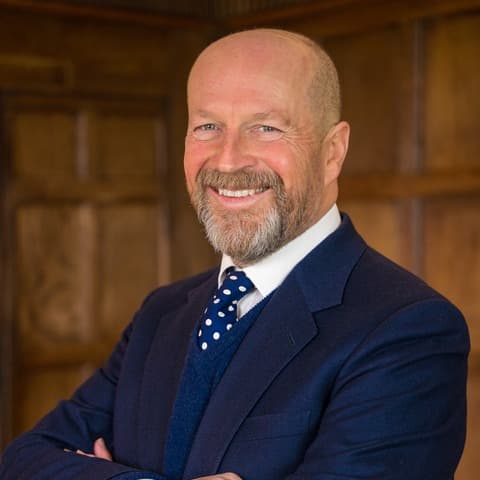
In this episode of all about business, James speaks with Charlie Hyman, Founder and CEO of Bloomsbury Football. His fast-growing social enterprise harnesses the universal power of grassroots football to tackle major societal challenges for young people, providing thousands of disadvantaged youths with vital role models, mental health support, and a true sense of belonging.
Charlie shares the seven steps in starting, building and scaling a charity. He explains the business mechanics behind this scale: how diversifying income with brands like Mastercard and Adobe, and treating a charity like a high-growth private company unlocks true scale.
James and Charlie explore the strategy behind taking Bloomsbury national and how Charlie built a proprietary AI tool to scrape Charity Commission data for fundraising intelligence. They examine how to close high-value deals, attract top-tier corporate talent with pure purpose, and what commercial businesses can learn from high-ambition social enterprise models.
This leaves us with a compelling question: when building a company designed for impact, do your growth strategies reflect the actual size of the problem you are trying to solve?
03:49 origin story volunteering
12:32 income streams and partners
16:37 charity versus business
22:07 leadership and hiring coaches
31:29 turning down funding
38:56 AI for impact
43:19 giving and fundraising
Follow James Reed on LinkedIn:https://www.linkedin.com/in/chairmanjames/
Follow Charlie Hyman on LinkedIn: https://www.linkedin.com/in/charlie-hyman/
Find out more Bloomsbury Football here: https://bloomsburyfootball.com/
Submit your application to Reed’s Entrepreneurs Fund for a chance to win a £20,000 grant: https://www.reed.com/entrepreneurs
James: [00:00:00] Welcome to All About Business with me, James Read, the podcast that covers everything about business, management, and leadership. Every episode, I sit down with different guests who have bootstrapped companies, masterminded investment models, or built a business empire. They're leaders in their field, and they're here to give you top insights and actionable advice so that you can apply their ideas to your own career or business venture James: Do charities need to think more like businesses? And what can businesses learn from charities in return? Today on All About Business, I'm joined by Charlie Hyman, founder and CEO of Bloomsbury Football, a charity that has grown from a one-person operation into an organization supporting thousands of young people every week through football. James: In this episode, we discuss building a mission-driven organization, scaling impact without losing focus, and why some of the biggest lessons in leadership [00:01:00] apply whether you're running a charity or a business James: Well, today on All About Business, I've got football on my mind. Maybe you have. It's World Cup fever, isn't it, out there? And I couldn't be more delighted than to welcome Charlie Hyman, who is the founder and CEO of Bloomsbury Football Foundation, um, a London-based grassroots football charity that Charlie founded in 2018 shortly after he graduated from university. James: And Bloomsbury Football, as I understand it, aims to use football to improve young people's lives, which, uh, sounds like a great thing to do. Charlie was named London Sport's Inspirational Young Person of the Year and has been recognized in 30 Under 30 Sports Leadership lists. So well done for that, Charlie. James: Thank you for coming to talk to me. Pleasure. I think the, the beginning, um, let's kick off, forgive the pun, with, um, what is, you know, what is the Bloomsbury Football Foundation? What is it that you do? Charlie: So [00:02:00] as you said, Bloomsbury Football Foundation is a charity. We use what I think is the most powerful thing in the country, football, up there with religion, to inspire young people and hopefully transform their lives for the better. Charlie: I think if I zoom out and think about the biggest challenges facing society for young people at the moment, lack of trusted adults and role models, uh, lack of a sense of belonging, struggling with mental health, uh, declining levels of activity. And if I had to create a solution to all of those problems, something that young people already love that was low cost, non-clinical, scalable, I think I'd come up with something that looked like football. Charlie: It's just that we already have this thing called football that people have an understanding of. Uh, and so what Bloomsbury does is harness the power of the, the, the nation's game, uh, to, to improve these young people's lives at scale. Uh, and as you say, we are based in London at the moment, um, but [00:03:00] excitingly about to expand nationally for the first time, um, opening in the Midlands in September. James: So you, you- Founded Bloomsbury Football Foundation as a recent graduate after leaving university, didn't you? I mean, you were very young when you started. Charlie: Straight out of university. Yeah. Yeah, it was the first, first job I had. I'd done, you know, bits and bobs of work experience, but really never a proper job. Charlie: Um, and yeah, the inspiration really came from growing up, I loved football. Every boy who grows up loving football dreams of being a professional player, and I wanted to play for Arsenal, um, who I love. Um, but when I was 15, it was school made everyone go and do volunteering. Um, and the options they offered just weren't very exciting. Charlie: Uh, so I went and found my own volunteering opportunity, which was actually basically picking up the cones and chasing the dog who stole the football at my younger brother's football team in the local park. Uh, and initially I went to go and [00:04:00] do it 'cause it was just like a tick box exercise as part of the volunteering, but I actually really enjoyed it. Charlie: And particularly the coach who ran the group was very inspirational and I, uh, ended up asking him for a summer of work experience to sort of follow him round. And his full-time job was working for Fulham Football Club's In the Community program, where they would go around- Hang on. So what James: age are you then? Charlie: I'm 17. James: Right. Um- So this is while you're at school. Charlie: Yeah. This is, this is sixth form. So James: this is such good advice for anyone who's sort of thinking about what Charlie: they James: might want to do. Definitely. I- Do a bit of volunteering. You never know where it might lead. Charlie: My, my friends, so when I was going down to South London working, um, for Fulham's foundation age 17, thought I was crazy. Charlie: I would leave school in North London on a Friday afternoon, they'd all go off and hang out, and I would literally travel an hour and a half on the train to go and coach a football session at Fulham's training ground, which is in Motspur Park. Uh, and then travel back up late that night back to, back to home. Charlie: Um, but I absolutely loved it and I think- The [00:05:00] coaching itself was brilliant. Obviously, that's what led me to, to end up setting up Bloomsbury. But the, the life experiences of, of working when you're 17, of meeting other adults, of being in the office, of having to submit your pay sheet, of doing training, of collecting your kit, all those things were, were brilliant and invaluable. James: So, so what is it, Charlie, about the coaching that works so well? What, what is it that sort of took your sort of interest at that point? Wh- why did you think this is a really good thing, coach- I mean, 'cause, uh, I mean, many people listening might be thinking, "Well, they're just playing football, aren't they?" James: Yeah. But it's obviously deeper than that. Charlie: Of course. James: Well, well, you say of course, but explain. Charlie: Yeah, I... Well, I think, um, if you ask anyone, um, you know, for people who they look up to, who inspire them, um, you know, everyone has at least someone, or, or, or hopefully they do. And we actually did a recent survey of a few thousand teenagers in the country, and after a school teacher or their parents, their sports coach [00:06:00] is, on average, the adult they look up to most, who gives them, you know, both all the skills to hopefully succeed at school and education, whether that's turning up on time, preparation, respect, communication skills. James: So these are things that people have in the workplace- Yes ... or are expected in the workplace that maybe aren't learned in the classroom. Is that what you're saying? Charlie: Definitely. Well- James: So you have to go to- Charlie: Could, could be learned in the classroom, but I James: think- But often Charlie: are learned in the, in sports ... often in extracurricular. Charlie: Yeah. And, and sports is one of many good ways. I think football specifically, just because of how ubiquitously popular it is, is for me the most powerful. But, you know, there's lots of other great extracurricular activities that help James: teach these things. But sometimes you see, you know, professional footballers and the, the way they behave towards the referee, uh, spitting all over the place and stuff. James: It's not necessarily the ideal role model sort of workplace. Charlie: Definitely. I James: believe- So what, so how do you manage that- Yeah, Charlie: of course ... with the James: youngsters? Um- Charlie: Well, I think there's a big difference between, um, being a footballer to become a professional footballer and that being your career versus sport and the power it has to help you in [00:07:00] wider life. Charlie: And the, the foundation I set up and run, of course, it's nice if a child who comes to our programs goes off and becomes professional. But it's really not what James: we're- Charlie: Yeah, I James: wasn't expecting that. No, no, that's not what you're about. Charlie: Of course. James: So what are you, what are you about, ask me. What, how do you hope people proceed from your sort of intervention? Charlie: I mean, in the long run have a, you know, much better, happier, healthy life. Uh, there's, you know, huge amounts of research out there to say that young people who are involved in sport go on to earn more, go on to be more likely to get a job, to, uh, you know, have better relationships, to stay active for life. Charlie: So it's really setting up these, these young people for success and raising their aspirations. James: Right. So how many young people are you able to do that for now? Charlie: Uh, we are supporting around 7,000 children every week in London at the moment. Fantastic. Um, and that's gone from me and a bag of footballs with four children in 2018, plus two years of COVID. Charlie: So it's really been very quick. James: So how many people are [00:08:00] involved in your organization now? Charlie: Um, there's just over 100 staff, um, of which roughly half are full-time and half are part-time, and most of whom are the, you know, the coaches who go out- So you James: went from a bag of footballs and four kids to an organization of 100 staff- Charlie: Yep James: and 7,000 kids. So h- how did you do that? Charlie: Wow. A lot of hard work. James: Yeah, no, that's what I'm interested in. Um- What, what did you, what did you have-- What were the sort of levers you had to pull- Yeah ... for that to happen? Charlie: Um, I think the overall one is just consistency, um, of putting in the hours and time. There is nothing that will ever James: replace that. James: Well, you must have raised a lot of money. Charlie: Yeah, of, of course. There- Well, you say of course, James: but that's quite an important part of this, isn't it? I mean, how did you do that? Yeah, yeah. Charlie: It's, it's James: key to- So how did you get the interest of people to support you? ... any organization. What sort of people supported your organization? Charlie: Yes, it's, it's- If James: someone wants to start a charity like this- H- Charlie: how, how do you do that? ... James: what tips would you give Charlie: them? So when we first started, um- The first money we raised was through, uh, me realizing that I [00:09:00] was terrible at writing fundraising bids. So I actually went out and said, "Right. Come on. It can't be that hard to get a grant. Charlie: I'll write and submit some applications." And terri- I was terrible at it, and we didn't get any money. Uh, I then decided to- So who, but who were James: you applying to with your- Charlie: Um- ... of James: these Charlie: applications? As we started with sort of local foundations, so you know, Young Camden Foundation- Right ... Camden Giving. Small local pots where we're, you know, the exact sort of thing they would want to fund- Yeah Charlie: a local community group- So you James: researched Charlie: that ... helping disadvantaged children. Yeah. Yeah. Found them online. There's lots of portals where it's easy to find these things, and wrote applications, and it was a no from every single one that I applied to. Um, so I quickly realized that I needed to find someone who knew how to write these applications well. Charlie: Um, and so I paid them, I think it was like one or two days worth of work to do a handful. James: So how did you find that person? Charlie: Um, through a Facebook group- Did you? ... called something like Freelance Bid Writers. James: So the two [00:10:00] things I'm observing here- Yeah ... is you, you, you didn't quit, which is really important, and you realized where you had a gap yourself, so you tried to fill it with someone else. James: Definitely. And you looked for those skills elsewhere. Charlie: Yeah, and also, uh, took the risk of investing before the money came in, so invested- Right ... in someone to send off some bids knowing that we'd probably win, let's say, one of five of them, and then we could use some of those funds to then pay that person to do a few more days. Charlie: Right. And then we were off. So James: you had to put a bit of money at risk yourself. Charlie: Yeah, before we knew. Which is, I think, something that most charities struggle to get, uh, their mind around. Typically, the way charities run is, let's secure the money, then we can spend on things- Mm ... as opposed to how do we invest in fundraising to raise more money- Right Charlie: and, and take a bit of risk. Yeah. But you have to, like any, you know, sales job. Well, it's like a James: business. Charlie: Yeah. Yeah. You've got to invest in sales to, to sell. James: Yeah. Charlie: Um, and- James: So then you, the second round was more successful, was it? Charlie: Much more successful. We actually got two, I think, of the first [00:11:00] grants, and they were, you know, £5,000, £6,000, but at that time for us that was massive. Charlie: That would- Yes ... you know, pay for all the pitch space and all the coaches for months. Yes. Um, and suddenly you can then turn that person who was writing some bids into two days a week, and you, you begin to grow from there. James: Did you know that there are nearly one million 18 to 24-year-olds who are currently not in education, employment, or training in the UK? James: This is simply not good enough, and I want to do something about it. That's why Reed is launching a new initiative giving £20,000 to young entrepreneurs to help them grow their small business. Visit reed.com/entrepreneurs to find out more. We want to support and encourage the next generation of entrepreneurs. James: And so Charlie, if, if, if I was sort of- Wanting to follow in your footsteps and start a charity, and I'm thinking about bidding. What are the sort of blocks I need to put together to make that work, in your [00:12:00] experience? Charlie: Yeah, I think there's different ways to generate the income you need, and it does vary quite a lot depending on the cause area. Charlie: So, for example, we are able to, and I think it's a great thing if you can, have some payment for services. So we set out from the start knowing that we would try and have, uh, a share of our income not being fully reliant on philanthropic grants and donations. Uh, and that can work for, um, different sorts of charities. Charlie: On the bid side, often you're, uh, having to bid based on the criteria of the funder you're applying for. Some you're able to go and have a conversation with and tell them what you really need, and I think increasingly, which is a good trend, funders are open to that, and they want to understand what you actually want as opposed to what they think they want to give to. Charlie: Mm-hmm. Um, so I would advise, particularly early on, where there are listed grants and bids, read [00:13:00] the, um, description of what they're looking for really carefully and work out what best fits that. But if you can, ask them for a conversation and go and meet them and just be honest with what you really need. Charlie: Most people do actually want to help and want to give you what's most helpful. James: So ask for a conversation. That's Charlie: I think key advice. Always ask for a conversation. James: Always ask for a Charlie: conversation. Always. Even if it's very clear on the website what you think, it does just increase your chances. You never know what extra bit of advice they're gonna say. Charlie: You never know, they might say, "Actually, we've got a bit of extra money. You know, go and apply for right at the top end of the grant range." Hmm. Often people say, "Sorry, we can't chat to you. No, it's unfair. We don't have time." But definitely worth trying. Um, and, and if you can get a warm introduction, that's always best. James: So just like sales, really Charlie: Exactly the same James: Exactly the same. Charlie: It is sales James: It is. That's the, so, so, so it's a big, big part of the business model is winning bids from what local organizations are they typically or- Charlie: Um, a mix. Yeah, I mean, it's- Mm ... it's grown [00:14:00] and our sources of philanthropic funding are far more diversified now. Charlie: So today, a third of our income comes from what I would describe as payment for services, so schools and families paying towards attending the programs or the cost of our programs running in the schools. Then the other two-thirds of our income is a mix of money from government sources, corporates, both brand partnerships, so where it comes out of the marketing budget, as well as traditional corporate philanthropy. Charlie: Uh, and then the rest is what most people, uh, would describe as traditional charity fundraising, so asking- What- ... wealthy people for donations and bids. James: What's a brand partnership? How does that work? Charlie: Uh, so a brand partnership would be, uh, a partnership in which the company you're working with are working with you primarily because they want to, uh- essentially associate themselves with your brand or some part of your brand as opposed to- So James: who, who's in that category? Charlie: Uh, a [00:15:00] couple of recent examples would be we've done stuff with Adobe, we've got a big partnership with Mastercard, and their primary reason for working with us isn't a philanthropic donation. So Adobe want to create a campaign around girls who love football and how they can be more creative and think about careers outside of football, but that cross over with media and graphic design. Charlie: Right. And so we've done a big video campaign. We've had girls be the mascots for the FA Cup final, and a load of brilliant experiences plus, you know, awareness raising for what we do, plus some funding from Adobe. Um, so that's been really successful and I think there's- Right ... lots more opportunities to do that. James: So companies might come forward to you saying, "We want to partner." Charlie: Yeah, I mean, that's the dream. And you'd James: wel- you'd welcome others, yeah. Charlie: We, we would, yeah. Inbound is always the dream, but James: very rare. Anyone listening, there you go. That's a great partnership opportunity. Yeah. Rare, but possible. Um, so many people assume charities operate differently from businesses. Charlie: Yeah. I would say- Do you agree James: with that? [00:16:00] Charlie: Primarily, no. I think that's a massive misconception. Um, so ultimately, a charity, uh, as a legal entity must exist wholly for the public benefit, which is different from a profit-maximizing entity. Other than that, everything else is basically exactly the same as a private company. Charlie: You need- James: Exactly the same. Charlie: I would say pretty much exactly the same, as in you need a finance function, you need strategy, you need to have talented people, employ them. You're, you know, got the same employment- Yes ... laws. Same everything else, other than the fact that your ultimate purpose is social impact as opposed to profit maximization. Charlie: But people treat charities like this whole separate thing, and often charities carry the, um, very negative stereotypes of people don't work hard or the charity only exists for the employees or people work there 'cause they couldn't get a job in the private sector. And, [00:17:00] uh, I think it's a, a big problem for, for the charity sector that it's often branded in that sense. Charlie: Um, I almost don't even- So you take James: issue with that? Charlie: Definitely. I don't, I don't, I actually don't even subscribe to the term charity sector. Right. It's not a sector, it's just a, you know, a legal entity with which you register if you want to prioritize impact over profit. It's just a company. James: Right. Okay. Um, in a lot of senses. James: So how you Charlie: think that... James: So what lessons... So apart from, I mean, it's interesting. My next question is- Mm ... so what lessons from the commercial world- Have been most valuable to you in building Bloom2. Yeah. But it's, it feels to me that you just approached it- Charlie: In a similar way, yeah. I think everything ... James: in a, in a, as a, a commercial project. Charlie: For sure. Yeah, definitely. I think we, we, you know, we don't have shareholders with equity for whom we, you know, pay out dividends. But other than that, everything, I think the speed with which we've tried to grow, uh, we just mentioned investing ahead of- Mm ... you know, funding coming in is definitely something. Charlie: Um, I think the level [00:18:00] of ambition probably is, if I had to pick one thing from the Venture-backed for-profit world that I would take that I've seen a real dearth of in the charity sector. It's just the level of ambition of what's possible. James: But you're coming to it with a different level of ambition, you're saying? Charlie: Trying to. Well, that's James: what I'm- Charlie: Yeah ... that's what you're trying to do. Even then, I question whether we're being ambitious enough. Um- Yes ... you know, we wanna support 40,000 children a week by 2030. Most people think it's, like, a completely ludicrous strategy, and you're never gonna achieve that. Um, but I think our role is to try and make the most impact possible, and we should shoot incredibly high, and we'll end up making more impact with a massive goal that we fall short of than being too safe. James: You mentioned the difference between sort of impact and profit, and so is, is that how you measure impact, how many children you reach a week, or are there other measures? N- Charlie: not ultimately. So the, the ultimate measures of impact are what is the difference we make to the children that we work with? So to [00:19:00] what extent is a child in our programs more confident after doing our programs for a year? Charlie: To what extent are they- How do James: you know that? How do you measure that? Charlie: Hard to measure. Um- James: That's the problem. Profit's kind of easy to measure. Charlie: Of course, yeah. And a lot of the impact we make is, to some extent, intangible. I think we do a good job of measuring the impact, so we, uh, do both qualitative and quantitative measurements. Charlie: On the qualitative side, it's gathering testimonials from young people, but specifically those whose lives have been most changed, and then looking at the drivers of that change. So was it that they had a safe place to go at six o'clock on a Tuesday evening, or was it that the role model they had in the coach completely changed their outlook on life? Charlie: On the quantitative side, we use what's called longitudinal tracking, uh, where we measure the difference we're making by asking young people and their parents over a number of years and compare that to national and local base rates. So we can [00:20:00] see that, for example, girls in our programs are double as active on average as the national, um, average for, you know, daily minutes that a girl is active. Charlie: Um, so we know we're making significant impact there. James: But, but is it self-selecting in the sense that the active ones wanna come and play football? Or have-- do they become... Ha- uh, have they become more active? Charlie: Yes. So we- Uh-huh ... uh, focus on areas of high disadvantage, so in the bottom few percent nationally, based on income deprivation affecting children, and those girls are disproportionately more inactive than others. Charlie: They James: don't typically have space and- Charlie: Exactly, or- ... means James: to do- Charlie: The cost- ... exercise James: and sports. Charlie: Exactly. The cost barrier prevents them from taking part in these sorts of activities. James: Right. Charlie: Um, and so they just don't get the opportunity to do that. Um, and then beyond that, there's, uh, various, getting a bit technical, but sort of validated instruments where we've done- Uh, sort of quasi-random control trials. Charlie: So we'll look at a school and say, "These two classes in year three, let's work [00:21:00] with one for six weeks and work with the other," and then what's the difference that we're seeing? How material is that change? Um- James: Yes ... Charlie: very hard, given all the ethical concerns with sort of, uh, forcing a group of young people not to take part in your activities- Yes Charlie: if they wanted to. Um, but you can get some really interesting, uh, and, and very clear, probably the clearest you can possibly get, evidence of impact. James: Right. That's interesting. So how, how has your role changed, Charlie, as the organiz- organization's grown to a f- f- Massively ... staff of more than 100? Yeah. Charlie: Yeah, I mean, uh, it started with me coaching the first session. Charlie: Um- So James: you were a coach yourself? Charlie: I was a coach myself, and then I quickly ended up coaching and hiring other coaches, and then I guess I coached the coaches. Uh, and then we got to a point where we needed other people who weren't coaches to sort of manage us, program officers, et cetera, to manage the coaches. Charlie: And now my, my day-to-day, I mean, one of the biggest things that I miss is being so close to [00:22:00] the coaching. I mean, I still go out every week and see the programs but, you know, there's the coaches who have coach managers who have a head of coaching who reports into director of programs, and you just, um... It, it's the only way to scale, but of course that is one of the trade-offs that you do become further and further away from the James: product. James: So you're further away from it. So what makes a good coach? Charlie: First and foremost, good person. So we strongly believe that the right sort of person we can help to run brilliant football programs, but we have to run brilliant football programs, otherwise the young people won't come. But we know that we're running brilliant football programs for the social outcomes that come from doing it intentionally. Charlie: And so our coaches are trained not just to make the children better at, you know, passing and shooting, but at how many times they will try something that was really hard or, uh, how better to communicate with a teammate when they're losing and under stress. And so in a very nuanced manner, [00:23:00] our coaches are trying to accelerate their learning of those, but without it ma- without making it feel like they're in a classroom or some sort of charity intervention. Charlie: It's a really fine balance. James: Yes. So how do people find you if they wanna be a coach or are already coaches or wanna be a- A lot, a lot of the- ... school that want you Charlie: to come and James: join ... Charlie: uh, typical channels. I mean, of course we're on all the social media platforms online. Um, we have... We're always looking for great coaches and talented people to work. Charlie: So James: Bloomsbury Football Foundation, what's Charlie: the URL? Bloomsbury Football Foundation. It's bloomsburyfootball.com. James: bloomsburyfootball.com. Yeah. Charlie: And we, um, we're always looking for- You can make inquiries James: through there. Charlie: Exactly. Um, talented people, whether it's sales, operations. I think there's... One of our biggest challenges with attracting talent is people don't know what it's like to work at Bloomsbury Football or similar organizations. Charlie: So particularly for graduates, we're not amongst their consideration set. Everyone knows that they can become an accountant, become a lawyer, [00:24:00] broadly what that entails. We're just not amongst that. So trying to at least be known as an option is something that we're really working hard on to try and attract the most talented people, 'cause you need that to do something ambitious and hard. Charlie: They're not necessarily aware of what you're doing. What, what we're doing or what it's like, and- James: What is it like? Charlie: I- I think it's very like working for a, a fast growing scale-up that's for profit. So for all the people who think, you know, I wanna go and work somewhere where I'm gonna have lots of autonomy, it's gonna be exciting, there's opportunities to get promoted quickly, but where I'm happy to trade off ultimately on, Charlie: uh, earning for social impact, I think we're one of, if not the best place to come and work in the UK. James: Well, that's very exciting. So how have you thought about scaling? I mean, it's obviously a real priority. You're very ambitious. You've got to get to that 40,000 number. Uh, Charlie: I've thought about it a lot. It's the Yeah. Charlie: So, so what, James: what's your approach, Charlie? Yeah. It's the easy answer. Charlie: Um, our [00:25:00] approach is to take what we've proven already works in London and to take it to other cities and towns around the rest of the country where there is so much need and where often these towns and cities, like the f- the football, the football club is the most important thing. Charlie: It is the thing which brings everyone together. James: Okay. So, so I'm from Swindon. Charlie: Yeah. James: I, I, I'd love to have Bloomsbury come and- Charlie: We'd love to come to Swindon. James: Yeah. We'd like that too. Yes. How, how, how does that happen? What, what needs to happen for these sort of initiatives to become established? Charlie: Sure. So we, um, we ultimately need a, a, a set of things in order for us to feel that it's right to open in a given town or city. Charlie: So of course, we need to look at what else is running there, how high is the need, how many other youth programs are running, and then you need to look at the inputs that are required to run. Obviously, funding is one of the big ones. We need a certain amount of money [00:26:00] from the right sort of funders with, uh, a expected- Do you need the local authority to come? Charlie: expected pipeline. Doesn't necessarily need to be. We like them to be bought in, um, it helps. But it could be, you know, two local businessmen, it could be a, a philanthropic family, it could be a corporate. It- James: So if someone listening likes the sound of what you're doing and thinks their area would be- Charlie: Yeah James: benefiting from this, they can approach you two and say- Definitely. Charlie: Yeah, we're, we're- James: And what would it cost to set up then? So if you're a philanthropist based in Swindon- Sure ... you're thinking, "I'd like to bring this to the town." Charlie: Yeah. It, it varies a little bit between towns and cities. There's sort of a critical mass which we would want to, uh, run in terms of the number of programs per town and city for it to make it worthwhile. Charlie: Uh, the initial startup capital we'd need would be somewhere between 500 and 750,000, depending on the area. Um, does the- James: And what, what would the investor, if that's the right word, get for that? Charlie: Uh, so with that initial funding, [00:27:00] we would be confident of raising enough money from other sources over a three-year period to then be supporting around 3,500 boys and girls every week in that town or city by year three. James: Right. So that makes it, puts it into a sustainable ongoing- Charlie: Sustainable program. Yeah. So that, that would allow us to build the capacity we need to then bring in other local supporters. Obviously, um, partly funded by national grants and the wider pots that aren't specific to a, a given area. Mm-hmm. Plus the, the, you know, fees for services we get from schools and families. James: So your strategy is it's important to stay disciplined, is it? You've spoken about this. Very much so. So what, so what does that mean? What's that look like? Charlie: I think, um- There, there's a lot of, uh, advice out there that says, you know, say yes to everything, and there's also a lot of advice out there that's like, make sure you're really prepared to say no, and say no to anything that isn't in your plan, and stay on track. Charlie: And like- It's very confusing ... it, the, the honest answer- Of course ... is it's just not, neither of those [00:28:00] is right, and the right answer is picking the right things to say yes and say no to, which is obviously one of the hard parts, like making choices, uh, as a person running particularly a fast-growing organization, where we've got every day people coming and saying, you know, "Would you come to this town? Charlie: Would you do Bloomsbury netball? Would you do Bloomsbury cricket?" Um, and I think it's- James: So you're not Charlie: doing those things ... weighing up. It's, no, we're not. We're sticking to football. So you're James: sticking to football. Charlie: There's more than enough young people. You know, there's four million young people growing up in poverty in this country, of which 60% are inspired by football. Charlie: So we don't need to do other sports. James: Mm. Charlie: And I think if I had to give aggregate advice, I would say if you think it's something which is going to be in line with what you want to do, even if it's a bit of a stretch on resources, try and say yes, 'cause good things come that you don't ever expect or plan. Charlie: Um- So James: what would be an example of that? Charlie: All sorts of events and partnerships we've done where at the outset [00:29:00] people are like, "Ugh, I just don't have time- Can you tell me about one? ... to do." I mean- No ... uh, we just did a partnership with a very small up-and-coming fashion brand who wanted to create some hoodies around the World Cup, and, uh, initially we were like, "This isn't a good use of time. Charlie: It's not gonna raise us loads of money." But you do it, and suddenly the company you work with decide that they want to make an amazing promo video and bring in an agency. And then suddenly we've got this brilliant asset which we then shared with funders who support that program, and a couple of them have come back and said, "Wow, that was an amazing video. Charlie: I didn't realize you did this, you know. Could we catch up? I'm actually really interested in the work you're doing here." Had no idea that would come about- James: So one thing leads to another ... Charlie: but we said yes. Um- Yeah ... even though it would've been really easy to just go, "Not for us for now, you know, we're a bit busy. Charlie: We don't, we don't fancy taking that extra workload." James: So stretch yourself is the message. Uh, Charlie: stretch yourself as long as it's, you know, [00:30:00] in line with broadly what you wanna do. If it's something completely different, then no. I James: mean, we're too busy is not really a good excuse for things, is it? I mean, you wanna be busy. James: U- Charlie: usually, yeah. I think everyone's, if you ask anyone in the country- Uh ... how are you, they say, "Ah, I'm so busy. I'm so busy." Yeah. In practice, basically everyone has time to do more things. Everyone's got a James: bit of capacity. Charlie: Exactly. So- Well, it's all, it's just a choice of what you prioritize at the end of the day. Charlie: Yeah. You know, you- James: So making those choices- Yeah ... you're saying you stick to the strategy or the objective. Charlie: Yeah. James: And if, if you can add to it and stretch- Yeah ... further, that's a good choice. Yeah, Charlie: and I'm a big believer in, um, I think it's called Parkinson's Law, where, you know, the, the task expands to fill the, the deadline that you set. Charlie: Uh, and if you need to get something done by tomorrow, you're surprised at how much you can get someone to do by tomorrow. Yeah. James: Yes. So have there been times when you've been offered funding but it hasn't fit? Charlie: All the time. James: So it happens a lot. Charlie: Yeah, every- James: And you say no, do you? Charlie: We have to, yeah. I mean, it's, um- James: So what, what, because it's, someone says, "Well, I'll do netball" Charlie: or...? Charlie: Uh, yeah, it's a range. It's, it's [00:31:00] usually linked to, yes, doing something that's not in our strategy. So it could be- Oh ... "Hey, you know, you've got all these young people who come along every week. Why don't you do a financial literacy program on the side? You know, that would be really beneficial." Agree, it would be, but we can't do everything. Charlie: You know, we, we could also give out food and then set up a food bank on the side, but there's expert charities who already do those things. It's much better to partner with those than become broad, which I think- W- again, a- another challenge with the sector is too many charities, partly because they have to, have to say yes to the funding 'cause they need the money to run, but then end up being, you know, 5 out of 10 at 10 things. James: Yeah, and there's definite parallels in business there, you know. Yeah. Here's, here's a possible new sector we could expand into- Definitely ... or someone wants to us to do something that maybe doesn't quite fit but should we do it anyway? Should Charlie: we consider it? Yeah, James: there's a tough, tough choices. So your, your experience is that staying close and remaining focused- Charlie: Yeah, James: yeah James: to the mission, your mission is- Charlie: [00:32:00] Definitely ... the way to go. I think it's also easier for us now at the size we're at. Earlier on when it's, you know, you're living grant to grant, that can be harder. And yes, sometimes you definitely do have to make trade-offs. James: Yeah. So what advice would you give to founders about saying no, then? James: So. Charlie: It's very hard to give... I guess my advice would be consider things on a case by case. I mean, you, you... The best advice I had recently from, um, a very successful senior business person was you, whatever strategy you pick, you have to remain opportunistic. Um, so actually our plan a few years ago was to grow in London and keep growing in London and not go outside of London for a few more years, but we said we're gonna remain opportunistic, and if the right opportunity arose, then we would actually do that. Charlie: Uh, and that's part of the reason why we had a meeting that led us to the right funder, which led us to opening in, in the Midlands in September. So that was by- So, so James: you have opened in the Midlands Charlie: or you're about to? We're about, we're about to in September. And James: where are you opening? Charlie: In Leicester.[00:33:00] James: Excellent, excellent. I like that. So stick to your strategy, but you have to remain op- opportunistic. Charlie: Definitely. For the right thing and just consider the, the pros and cons, the time, the resourcing, the funding. There, there just is no easy... It would be nice if there was a clickbait answer. That's how strategies James: evolve, I Charlie: suppose. Charlie: Yeah. Of course, yeah. James: Yeah. Charlie: Uh, and, and lean on saying yes, you know. It would be, again, it would've been easy then to say, "Oh, no, you know, our strategy's staying in London, and we want to do national, but not quite ready yet." We sat down and said, "Actually, I think we can make this work." Um, and that was- James: So you had a supporter in Leicester who said, "I wanna-" Charlie: We had a supporter, yeah, who approached us. Charlie: They were... So Leicester was one of the cities and towns we'd mapped out on our list that we were, you know, keen to go to, but it may not have happened for another year had we not been open to that conversation. James: Yeah. Well, I'm pleased to hear that Leicester's gonna be your new destination. It's got a famous football club. Charlie: It does. Yeah. And it, it really needs it. They've got, you know, 41% childhood poverty. A lot of the youth centers and youth clubs have closed down, but- James: Right ... Charlie: there's a lot of [00:34:00] young people there who love, who are inspired by football, and I think our programs- I'm sure ... would make a massive impact. James: That's good to hear. James: So one misconception perhaps is that charities struggle to attract top talent. I mean, you mentioned earlier that this was important- Definitely ... to get your name out there. Has that been your experience? Charlie: Um, yes and no. I think we have a really talented team of actually- Nearly entirely people who haven't worked in the charity sector previously, um, who are young and at the start of their careers on the whole, but very high ceiling, um, which has served us well. Charlie: Uh, yes, it is hard because it's just hard to attract, you know, top talent, and I think that's the same in the charity sector or- So what, what do you look for in James: the sort of people you recruit? Charlie: Varies a lot by role, but on the whole, people who are, uh, very driven, willing to work hard, intellectually curious, ambitious about what's possible, um, [00:35:00] and happy to work compared to most places with more autonomy and less clear, you know, direction and, and micromanagement. Charlie: Um, that's what's got us to where we are today. We're very happy to invest in a very talented young person who has never done the job that they're doing before, uh, if we feel that they're up for learning and, and have, you know, a high ceiling and can get there. Um- James: So you're looking for people who, who are really keen to learn and- Charlie: Definitely James: will show real commitment- Charlie: Yeah ... James: to what you're doing. And Charlie: we've come Quite a long way over the last 12 months of building out our senior leadership team. So we have supplemented that really high potential, um, sort of early career talent with some absolutely brilliant director-level hires from, you know, top companies. Charlie: I mean, our, our director of marketing growth was at Meta for 10 years as director of product marketing for, for Mia there. So, uh, giving those young people the, the leadership they need and the mentorship so that they can achieve their [00:36:00] potential, uh, has been a really key and, and valuable addition. James: I mean, the kind of people you're describing, I was thinking, you know, I'd love them to join our business. James: And I'm sure you have to compete with a lot of private sector- Charlie: Definitely. Yeah, for James: the top talent So, so, so how do you do... I mean, how do you s- how do you sort of close the deal then to- I think, um- ... get them to come to you rather than go to a private sector commercial venture? I Charlie: think there's a lot of people who want to do something with, with, with purpose, and I say with purpose, you know, a lot of businesses, you know, create a purposeful strapline, but our purpose is purpose. Charlie: And, um, I think increasingly too- Do you have a James: strapline? Charlie: People are, uh, transforming lives through the magic of football. James: Right. Charlie: Um, and I think increasingly people are interested and wanting to spend what takes up, you know, most of the hours of your life doing something that really makes a difference. Charlie: And I think you can both earn enough to have a comfortable, enjoyable life, but also really feel like you're doing something meaningful, and that's [00:37:00] attractive to a lot of even the most talented, hardworking people. James: So do you have football events in the comp- Charlie: All the time ... James: in the organization? We Charlie: did, uh- Have you got a World Cup James: suite stake or We've got a Charlie: World Cup suite stake. Charlie: We've got, uh- ... we just actually made, uh, Bloomsbury World Cup wall charts and gave- Right ... thousands out to all the kids, which they were absolutely delighted about. And so James: they can follow Charlie: the- And they can follow the games and, uh- And put their teams, whatever teams in ... exactly, put the scores in. I used to love doing that when I was a kid. Charlie: We've got some stuck in the office. Very fun. I'll, I'll make sure I bring you one. You can- James: Could you? Yeah. You should have brought one. Charlie: Have it up in the office. Yeah- Yeah, yeah ... probably should have, uh- We'll put it up ... James: put it up. Yeah, but that's a good idea. Charlie: Yeah. Um, and, uh, no, we do all sorts of events. I mean, we just did a big football tournament for companies actually on the pitch at the Emirates Stadium, um, which was a real success. Charlie: And like obviously- Who James: won? ... Charlie: great way of getting companies involved. Can you remember? Who won? Charlie: Uh, one of the big banks, can't remember which one. Uh, Goldman Sachs- James: Oh ... it Charlie: was. Yeah. Everyone loves Goldman Sachs. James: Oh, everyone must love Go- they have to be doubly generous- Yeah ... now that they've won. Charlie: Of course. [00:38:00] Yeah, that was helpful winners. Yeah, now they've gotta- Helpful James: winners, Charlie: yeah ... now they gotta give us a big grant. James: They must, yeah. Charlie: Yeah. James: That's, uh, so that sounds like a lot of fun. So I can imagine it, you know, being very attractive to people when you're recruiting. How do you see AI affecting charities and social impact organizations? 'Cause, I mean, it's everywhere, isn't it? It's- Charlie: Yeah, of course. Um- James: How are you Charlie: using it? Charlie: I'm a firm believer that it will be overall incredibly net positive. Of course, there's lots of challenges that it's gonna bring. I mean, lots of similar to what, ones that we have- Why do you say- ... with social media ... why are you, why James: are you so- Charlie: Positive on it? James: Why are you so optimistic? Yeah. Charlie: Well, I guess there's two parts to it. Charlie: One is the overall society part, which is, um, you know, the extent to which it's going to, I think, you know, bas- bring an age of abundance, allow us to have, uh, much higher GDP growth, more wealth, more even society, medical breakthroughs, lift people out of poverty. I think overall it'll be incredibly net positive. Charlie: I [00:39:00] think for charities like us and others on a more, you know, individual organization basis, we can just do way more work for the same number of pounds spent. Um, so whether that's, uh, assessing the, the quality of our programs, communicating with parents, researching funders, writing grants, analyzing data to decide which areas to go to next, all of those things which would've been thousands of pounds, full-time staff, we can do in a matter of some of them even minutes ourselves in the office. James: So you're really using this- Oh, all over, yeah ... to good effect at the moment? Charlie: Yeah. Very much so. Yeah. Um, it's, it's transformational. I mean, personally, I feel I can do double the amount of work probably I could have done months ago. James: But what specifically is it doing for you that- Charlie: I mean, even- ... James: even months ago is this Charlie: change? Charlie: Yeah, no, it's the, the, the- James: So you're twice as productive, you feel, than you were months Charlie: ago. I would say so, yeah. James: So what are you doing differently? Charlie: I mean, even just writing emails, like I would have to sit down for a follow-up from, you know, [00:40:00] a, a, a podcast like this and say, "Hi James, thank you so much. It was lovely." Charlie: Don't worry. "Come on." James: I Charlie: know you enjoyed it. Da, da, da. Of course. But, but- Now James: your AI will Charlie: do that. Yeah, it will send me a draft- I'll reply ... which is nine out of 10 and is trained on how I write it and, uh- That's very good ... you know, pulls out your email address, suggests the right subject header. I mean, it's looked in the calendar and seen that it was a podcast. Charlie: It's, it's, um- So it does- ... it's transformational ... so it's like James: an assistant you've got. Charlie: Yeah, I think I can- Mm. I mean, that's one use case, but, uh, you know, researching funders, we've developed a tool which has... So on the Charity Commission, there are I think about 16,000 grant-giving organizations. Each one has PDFs which have a list of who they give out money to each year. Charlie: The only way to look inside them is to go in, download one, and open it. We have downloaded every single one, scraped it all, put it in a database that's queryable to AI. So I could open my phone now and say, "Hey, tell me who the Reid Foundation has given grants to," every single grant, every single amount for the last five years, and it will give me a list [00:41:00] within seconds. James: That's a very good use of the technology, I have to say. And, and it does show how, I mean, the more dynamic or entrepreneurial charities are gonna secure quite an advantage Charlie: from it. Of course. Yeah. I think, um- Mm-hmm ... particularly if we can get the, um, foundation model companies to support us philanthropically, I think we're about to see the biggest step change in philanthropic dollars ever. Charlie: So, OpenAI's majority shareholder is a charitable foundation that is gonna give out some- somewhere like 200 billion, maybe more, or have assets of. Uh, Anthropic founders have pledged to give away 80%, where we're gonna see tens, hundreds of billions. James: Yeah. Well, that's, that's, that's the theme of my- Charlie: Yeah ... James: book behind you, Karma Capitalism. James: I'm gonna give you a copy at the end. But yeah, so you see that model becoming more widespread as well- Um- ... companies having charitable- I think it- ... shareholdings ... Charlie: I think it might. There's, there's pros and cons. I mean, uh, I think a lot of it comes down to the founders and, and whether they want- Yes, [00:42:00] it does Charlie: to do that. Um, obviously there's been a lot in the news about OpenAI and the extent to which it's- Yes ... you know, moved from a charity to not a charity, but- James: Yeah, that's Charlie: gone the other way. ... it's still gonna be a, it's still gonna be a massively positive outcome that when they go public, it's gonna be hundreds of billions of dollars. Charlie: Whereas Anthropic have taken a slightly different decision, which is the founding team have pledged to give away 80% of their wealth. James: Do you use both of those- Charlie: Yeah, we do ... AI James: products? Charlie: Yeah. We're, we're... For different tasks we use different foundation models. Yeah. We also use Gemini, the Google one, quite a lot. James: Yes. So, um, do you feel optimistic about the sort of philanthropic landscape in Britain? Because, you know, the, there's... I was at a conference the other day, only 10% of high net worths are giving to charity. Businesses are giving less. Um, it felt- Um ... like quite a challenged environment. Charlie: Yeah. It's definitely a challenged environment. Charlie: I think, um- Overall, it's [00:43:00] a harder environment than it was. There's less money going around now. The government doesn't have more money to spend, or it shouldn't be spending lots more money. Hmm. Uh, corporates are definitely have less money overall 'cause there's low growth and the, you know, sort of we've coming down from peak DI, and so those sorts of budgets are, are diminishing. Charlie: And high-net-worth are leaving the country in their droves. Uh, so the, the, the size of the pie is, is shrinking, but the pie is still big. So for an organization like us, there are still many, many people, organizations and millions- Yeah, your market share is small. Yeah, tiny, tiny. So you're- There's, you know- Oh Charlie: billions of philanthropic pounds out there, um, to be raised. I think where the biggest difference could be made is education, particularly to those who are most able to give personally about how to give out and how to do it well. I think there are a lot of people with a lot of money who don't know where to start, you know? James: What would you say to them? Charlie: Uh, the, the simplest advice [00:44:00] is just start. Um- Find someone ... there's a lot of analysis paralysis. Hmm. Ask other people you know who are giving out money, who are they giving to, what they like. Just start giving. Pick a few charities, give them... Literally, just email them and say, "Seen what you do, I'm gonna give you a donation. Charlie: Let's go for a coffee." You go for a coffee, you get to understand what their challenges are, how they work, ask them which other charities they think are good. Very similar really to how you would invest in, you know, venture-backed James: businesses. So you've had quite a lot of people through referral it sounds like then. Charlie: Through d- uh, nearly, I would say definitely over half of our- Yes ... um- James: The rest is applications ... Charlie: funding is, is through, you know, someone introducing us to someone. Um- Hmm ... which again, is how a lot of obviously business operates the same way. Uh, and then some of it is also people seeing that we've been backed by lots of credible funders who they know do, you know, heavy due diligence processes and thinking, "Wow, if they're backed by them, they must be good. Charlie: They must be serious." James: Yes. Charlie: And that's always helpful. James: So there's a, a, a cumulative- Charlie: Definitely ... James: benefit. Charlie: Yeah. James: So [00:45:00] Charlie, starting out when you, when you began, you were what, 21, 22? You were probably pitching to quite big corporates. You were going into offices, you were meeting sort of philanthropists. I mean, that's quite daunting in some ways. James: Um, what advice would you give to young people who, who wanna do something similar or what, um- Or wanna get out there and make a difference in some way Charlie: I think there's no shortcut to doing it. I remember being incredibly nervous myself, not knowing how to have those conversations, particularly not feeling confident asking for money. Charlie: It's a really hard thing to do. You go and meet someone for a coffee, they probably think you want their money. It's all a bit awkward. You get to a point in the conversation where it's time to say, you know, "Would you support my charity? Will you give me some amount of money?" That's really hard and takes time to get confident. Charlie: I can remember countless meetings where essentially I wimped out of asking for the money 'cause I was too [00:46:00] scared. Um- It winds up ... so there is nothing like just- Well, you obviously got the hang of it James: eventually 'cause you did very well Charlie: Yeah. Yeah. Uh. It, it is just practice, um, and, and getting James: out there. And what, and what is, what is the tip you would give- Charlie: Well, it's a skill Charlie: to close James: the deal in Charlie: that case? Well, it's a skill. How do you do that? Yeah I always try and ask more questions than I talk, particularly at the start of meetings. The more information you can gather about them, their thinking, their philanthropy, what else they fund, what typical range they give grants in, the easier it is to then not ask for something that's wildly out of the question. Charlie: Um, and then- James: Oh, so you're trying to fit your ask Charlie: to what they're typically- You're trying to fit your ask. You need to be careful 'cause you don't wanna shift from what you actually want and just bend to what they're looking for. Mm. But you can, you can at least ask for something in the range of, you know, what they have in mind- Mm Charlie: or what you know they're interested in. Or they might say, "You know, at the moment I'm not looking to do more grants." Mm. In which case it allows you to have a very different sort of conversation. So I would always advise starting with [00:47:00] discovery questions where you can. Mm. Um, if you're not able to do that- If they say they're not James: looking to do more grants- Yeah James: what, where would you take that conversation? Charlie: Incredibly important to stay in touch and build the relationship. So completely understand you're not looking for grants at the moment, but, you know, could we catch up in a few months over a coffee? Could I take you down to go and see one of our programs in action? Charlie: The amount of people who say they're not looking to do grants but then decide to give you a grant once they come and see how great the impact is or think you're doing something's amazing. Most people- Yeah ... organizations have the ability to make a grant if they really wanna make one. So I think it's always worth being very classy, polite, respectful, but never giving up and, and keep inviting them to things and building relationships tends to pay off in the long run. James: So you've got these big ambitions. How, how, how would you expand nationally? What, h- what are the practical steps you need to take to achieve that 40,000- Yeah ... number? Charlie: It's, uh... So the, the, the first step is, is [00:48:00] making our first step outside of London, which is, which is Leicester in September. And then it's making sure that we, um, as well as make amazing impact in Leicester, really codify all the different parts of our operation that will allow us to then open successfully in other places. Charlie: It just will be different from opening in a London borough. There are certain nuances with different cities, towns, communities- Sure ... ethnic groups. Um, and so understanding those and then being able to open in, say, Birmingham next, have a regional HQ, then we'd probably look to, to Manchester. There's a interesting debate about the extent to which we go into, you know, big cities or, or towns and who needs it more versus how much funding's available and how much of our funding could come from national versus local. Charlie: So there's lots of, lots of considerations. But really it's about getting Leicester right and having, like any business, a really, really well-defined, scalable product that you can then take to other places or it will all fall over. James: Yeah. So, [00:49:00] so, so if you had a magic wand, what would be the next things? You'd do Leicester, then- Yeah James: you'd need to find some more benefactors, wouldn't you? Charlie: Yeah. L- Leicester, then probably Birmingham. But yeah, of course, we would need more benefactors. James: So big, so if there's a big business in Birmingham that would like to get involved- Charlie: Definitely. So we're looking for those in either East or West Midlands, uh, who want to support our growth there. Charlie: Or for those who, like, basically have deep enough pockets to give us all the money we needed to get started in another place, we would definitely consider that if it was the right amount of money. Um, and then we want national brands, philanthropists, the government to fund us to sort of go wherever we feel is the most impact. Charlie: There'll always be a mix of regionally interested capital and, you know, national, um, growth money that allows us to scale. James: Yes, Charlie: yes. Um, so we're, we're, we're raising what I would describe as the philanthropic equivalent of a sort of Series A or Series B, a growth fund, which [00:50:00] we will then invest over the next few years to scale nationwide. James: Fantastic. So you strike me, Charlie, as like a, a brilliant entrepreneur. Charlie: That's very kind. James: Yeah, no, you are. You're a br- you started this from scratch. Yeah. Um, it's growing. You're, you've got really ambitious plans for the future. I mean, this is social enterprise at its very best. So I just wanna say thank you for coming in, talking to me, and congratulations on what you've done 'cause- Charlie: Pleasure James: I'd like to celebrate it. It's really good, and I hope people listening will come and support you, uh, whether they're big companies, philanthropists, football coaches, or just kids who'd like to play some football in their, uh, local community. James: So thanks for coming in. I always ask two questions at the end of my, uh, podcast conversations. The first is, what gets you up on a Monday morning, Charlie? Charlie: Wow. I think it's waking up knowing that I'm going to build [00:51:00] something incredibly ambitious that's really hard, and doing it with amazing people who I enjoy working with. Charlie: And the fact that on top of that, I have the privilege of doing it for something where purpose is the purpose, and that gets me up on every morning, no matter whether it's Monday, Saturday, Sunday. Yeah, you know what? James: I believe you. Yeah, no, that's Charlie: good. It's, uh, it's, it's a... Yeah, I absolutely love it. It's a real joy and a privilege. James: That's fantastic. And my last question from my interview book, Why You, is where do you see yourself in five years' time? Charlie: Hopefully running, uh, an organization that is making population-level change for tens of thousands of disadvantaged young people across the country and giving them a better shot at life. James: Fantastic. Population-level change. That's what we want. Thank you, Charlie. Thanks for coming in. Charlie: Pleasure. James: Thank you, Charlie, for joining me on All About Business. [00:52:00] I'm your host, James Reed, chairman and CEO of Reed, a family-run recruitment and philanthropy company. If you'd like to find out more about Bloomsbury Football or Reed, you'll find all the links in the show notes. Thank you for listening, and see you next [00:53:00] time
This podcast was co-produced by Reed Global and Flamingo Media. If you’d like to create a chart-topping podcast to elevate your brand, visit: http://flamingo-media.co.uk/