




Watch the episode
Listen to the episode
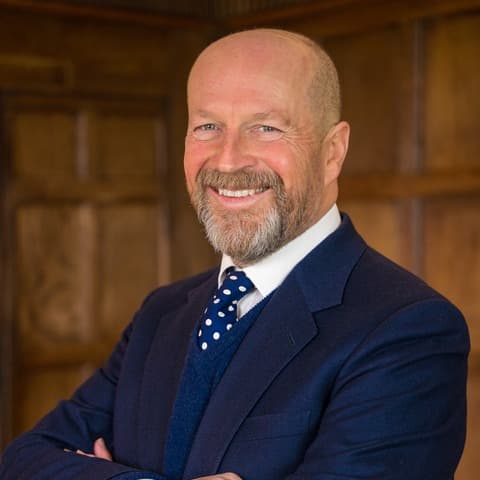
In this episode of all about business, James speaks with Mark Rushmore, Co-Founder and Chief Commercial Officer of Sustainable Rituals, SURI. The fast-growing personal care brand that’s disrupting a defended, multi-billion-pound market by proving that daily wellness routines don't have to come at the cost of the planet.
Mark shares his journey from the corporate training ground of Procter & Gamble to navigating extreme burnout after his first agency exit. He explains the business mechanics behind SURI’s rapid scale, and why focusing on a "minimum lovable product" unlocked a viral wave of word-of-mouth growth.
James and Mark explore the strategies behind scaling a highly productive 50-person team, using AI as an operational accelerant rather than a replacement, and the practical frameworks for making tough business decisions. They examine how to establish a values-led culture, why investing in founder relationships with business psychologists is critical to preventing scale-up failure, and what the next generation of consumer brands must do to win.
This leaves us with a compelling question: when building a product for the long term, are you treating your business decisions like a temporary hat, a reversible haircut, or a permanent tattoo?
05:17 burnout wakeup call
17:34 SURI origin story
26:06 premium pricing strategy
32:32 taking on giants
38:57 four core company values
47:11 brand focus and 100-year vision
52:53 decision making and hiring lessons
Follow James Reed on LinkedIn:https://www.linkedin.com/in/chairmanjames/
Follow Mark Rushmore on LinkedIn: https://www.linkedin.com/in/mark-rushmore-b1240a19/
Find out more SURI and their products here: https://www.trysuri.com/
Submit your application to Reed’s Entrepreneurs Fund for a chance to win a £20,000 grant: https://www.reed.com/entrepreneurs
[00:00:00] James: Welcome to All About Business with me, James Read, the podcast that covers everything about business, management, and leadership. Every episode, I sit down with different guests who have bootstrapped companies, masterminded investment models, or built a business empire. They're leaders in their field, and they're here to give you top insights and actionable advice so that you can apply their ideas to your own career or business venture Well, today on "All About Business," I'm really delighted to welcome Mark Rushmore to the studio. Um, Mark is the co-founder and CCO, that's chief commercial officer, of SURI, which is short for Sustainable [00:00:45] Mark: Rituals. [00:00:46] James: And, uh, this is a sustainable personal care brand best known for its eco-friendly electric toothbrush. [00:00:54] And people watching will see these wonderful SURI toothbrushes in front [00:00:57] Mark: of me, Mark. This is a [00:00:59] James: that [00:01:00] uses plant-based brush [00:01:01] Mark: heads [00:01:01] James: and is fully recyclable, unlike, it's important to stress, alternatives from huge [00:01:07] Mark: companies like Oral-B and Philips. Um, [00:01:10] James: before founding SURI with his co-founder, Jeev Safavi, I hope I pronounced that correctly, in 2021, Mark worked at major consumer brands like Procter & Gamble and Kellogg's, building experience in marketing, branding, and product strategy. [00:01:24] Welcome, Mark. You've got a great story. You've built and are building a great business. It all began at P&G. What did you learn there? [00:01:32] Mark: Well, firstly, thank you for having me. I-- it really is an honor to be here. I'm, I'm a massive fan of you as an entrepreneur and then what you and your family have built. So yeah, it's great to be here. And then in terms of Procter & Gamble, it-- I absolutely loved working there. [00:01:45] You know, a lot of my best friends to this day, the best man for my wedding, you know, my neighbors are all friends who I made at Procter & Gamble. And I think actually it was a brilliant opportunity as a graduate to really learn the ropes of running a consumer brand across all sorts of different facets. [00:01:59] You're [00:02:00] given a lot of responsibility very early. They invest in training, and so it's, uh, a great place to learn, almost like a practical MBA in, in running a consumer goods company. [00:02:10] James: It's interesting 'cause you're not the first person who's sat in our guest chair who started out at Procter & Gamble. It's, it's clearly a good schooling, a, a good starting point, [00:02:18] Mark: It really is [00:02:19] James: successful entrepreneurial career. [00:02:21] Mark: The found- Fantastical [00:02:22] James: MBA is a nice way of describing [00:02:23] Mark: It really is. And, you know, I think it-- the one thing that they do is attract, you know, I think they recruit actually heavily using psychometric testing as well. Yeah. And so there's a certain personality type and attitude, which means that when you do join, you sort of find a lot of like-minded people, which is really interesting. [00:02:40] James: they look for? I [00:02:43] Mark: Do you know what they look for? I don't know. I don't want to get it wrong, but, um, there's a rumor that they look for insecure overachievers, so people who want to- Okay. Yeah. Like, uh, you know, and, and actually I think there's something in that, you know, people who, who really want to perform and do their best but aren't quite sure they're good [00:03:00] enough and therefore are hungry to always prove themselves and, and will work harder, go the extra mile, a bit competitive, maybe done extracurricular activities. [00:03:08] But really, there's like a certain attitude, a certain hunger, um, that comes from that type of person. So, you know, the founder of Octopus Energy, um, the founder Richard Harpin, I believe, who sold HomeServe. [00:03:20] James: been here, [00:03:21] Mark: He, he's done-- Yeah. [00:03:23] James: Anne Franke from the Chartered Management Institute. Yeah. She's been here. Uh, I mean, there were several [00:03:28] Mark: there really are. And, you know, even in, um, my cohort, um, there was another who set up a company called Mouse. [00:03:34] They're doing tens of millions in revenue. Anisha, who's in the intake below me, who set up Scrumbles, a cat food brand. So it's, it's amazing that, that network which sort of you keep for life. [00:03:46] James: Keep it for life. So, um, you have spoken though about sort of burnout in business. Mm. Um, tell me about that. What was your [00:03:54] Mark: Yeah, so sure. It's important actually. Yeah, no, it is important. So after Procter & [00:04:00] Gamble, I was working on Pringles when it was acquired by Kellogg's. [00:04:02] I helped transition that business, and then, um, I left and, and I actually embarked on a series of adventures. I, I, I won a competition to take part in a round-the-world yacht race. I cycled from Canada to Mexico. I did a ski season in Canada. That's a long time. Yeah, it was, [00:04:17] James: that take? [00:04:18] Just out [00:04:19] Mark: took about seven weeks, but, you know, we're carrying all of our tents and equipment and food, so yeah, that, I mean [00:04:25] James: high achiever part of the Procter & Gamble [00:04:28] equation. [00:04:28] Mark: this was sort of, you know, I, I, I took a redundancy opportunity. [00:04:32] Right. And, you know, as a 26-year-old man, you know, I went from having maybe 500 pound savings to suddenly having, you know, a year and a half's salary. Right. And I thought, you know, "What should I do?" But around the same time, unfortunately, someone I knew, not very well, but someone I-- was sort of in my, um, circle of friends unfortunately committed suicide. [00:04:49] And I thought, at a young age, you know, I'm not gonna wait until I retire to sort of live out all my dreams and, and take a chance, take a risk. And suddenly I've got this opportunity where I've got some money, I'm gonna do [00:05:00] those things, and one of them was set up a company. And so I set up the UK office of a German advertising agency, and we sort of built that, scaled it, and sold it. [00:05:10] And, and at the end of selling it, um, you know, I think I'd focused so much on, on being successful and, you know, having an exit and making some money that by the time I'd sort of finished it and, and got that sort of end result, I was pretty shattered, to be honest. I was, I was really tired. [00:05:28] James: how old were you then? So you went from 26 to what? [00:05:31] Mark: It must be like my early 30s, so, um, I can't remember the exact age, but maybe I was 33. Um- [00:05:38] James: was like a seven-year journey. [00:05:40] Mark: that was like a certain age, yeah? Yeah, something like that, exactly. And it was, it was just a really important life lesson because, you know, I, I, I was really burnt out and had realized that I was so focused on the outcome. [00:05:50] It, it's like such a cliché, but I, I didn't enjoy the journey as much. I was really so focused on like, you know, oh, when I'm successful, everything will be great, that I kind of ignored the day-to-day. [00:06:00] And, you know, I ended up, you know, taking some time out, going to some health retreats, actually, you know, some, some interesting places to kind of reset and rethink about what's important. [00:06:08] And I, I kinda came to this realization that I want to set up another business. I wanted to have a business that could scale sort of more exponentially than a, than a agency business model. But also that I wanted to really enjoy what I was doing, and that like actually time truly is like, it's such a cliché, but our most precious commodity more than, more than [00:06:29] James: So you've said quite a lot here that I'd just like to explore- Yeah ... a little because I'd like to understand better. So you, you, you'd obviously built this advertising agency successfully. You said towards the end of that journey, you've-- were burnt out. You sold it, but you were... What, what, what do you mean when you say you were burnt out? [00:06:44] What, what-- how does that physically or emotionally manifest itself? [00:06:49] Mark: Great question. So for me, for five years, I sort of felt like I was pushing a rock up a hill. Like, we, we fought and worked so hard for every single pound [00:07:00] that we earned. And you-- I think sometimes when things are hard, you don't sort of take stock to sort of think about your health, um, to think about your mental health, your relationships. [00:07:11] Like, I was just so singly focused on, on succeeding, um, that I'd sort of deprioritized everything else. And so as it came to the end and then sort of finished the exit, um, suddenly sort of everything that I'd sort of ignored for a long time sort of, kind of compounded into a sort of like, where have the last five years gone? [00:07:31] And like I'm, I'm shattered physically, emotionally, mentally, and probably just not really prioritizing the right things, whether it's relationships or health and all sorts of things. And honestly, like with Siri, the way it's growing as well, it, it's still difficult to, you know, really get great balance. [00:07:49] But kind of reaching this point where I really felt like, you know, something really needs to change was a very important, um, [00:08:00] kind of deep realization for me. You know what I mean? It wasn't exactly rock bottom. Like, uh, it wasn't woe is me, but certainly it sort of forced me to think that if I want to do this again, there needs to be a more sustainable, scalable way of doing it. [00:08:12] Um, and so yeah, I don't know if you recall, but, um, I actually went to this place called Viva Mai in Austria, which was really funny at the time. I think I was probably the youngest person there, you know, doing all the sort of protocols on this Austrian health clinic. And I, and I believe I bumped into you and your wife actually in a sauna and- [00:08:31] James: You did. [00:08:31] Mark: Yeah. And, uh- That's very cool ... and, uh, and you know, I was just asking, you know, questions about life and, and, uh, it just really struck me how generous you were with, um, how, how generous and humble genuinely, you know, given the size and scale of what you've built, uh, with your advice. And it sort of also, you know, I saw a group of people who I admire and, and, you know, looked up to taking care of their health, prioritizing their relationships. [00:08:57] You know, you were there with your wife and I thought, you know, [00:09:00] if I can go again and build something bigger, I'm, I'm gonna make a more conscious effort to do that because A, it's more sustainable and actually will help me succeed more. But, but B, also, you know, I, I really think like time is our most precious commodity, um, as cliche as it sounds. [00:09:16] And so like, I want to kind of get more enjoyment from every minute rather than just, um, aligning my life for a, for a future outcome. [00:09:25] James: you're completely right. I mean, uh, from my own experience, know, an entrepreneurial life is a sort of, you know, busy one, and it's good to take time to look after one's relationships and health. And it's important to do that actually, if you wanna be sustained and, and, and it's a marathon, not a sprint, isn't it? [00:09:44] Did you know that there are nearly 1 million 18 to 24-year-olds who are currently not in education, employment, or training in the UK? This is simply not good enough, and I want to do something about it. That's why Reed is launching a new initiative, [00:10:00] giving 20,000 pounds to young entrepreneurs to help them grow their small business. [00:10:05] Visit reed.com/entrepreneurs to find out more. We want to support and encourage the next generation of entrepreneurs [00:10:16] Mark: And I mean, look, I, I still get it wrong all the time. Next week I'm, uh, on a, on a trip to US and I think I've got flights on, you know, Sunday, Monday, Tuesday, Wednesday, Thursday. It's, it's hard and, and, you know, we're growing rapidly. Um, but, you know, it's, it's trying to work out how, how do you compete in that marathon, uh, and, you know- We can still there if you need to go. [00:10:38] James: still there if you need to go anytime. They, [00:10:40] Mark: It's like a, sort of a line. Exactly. [00:10:43] James: So that's good. If you take yourself back in time a little to that encounter in the sauna [00:10:48] when we first met, um, what advice might you give yourself, you know, now- Yeah ... um, you know, the younger Mark ab- about how to avoid burnout given what you've learned- [00:11:00] Yeah [00:11:00] then and since? [00:11:01] Mark: I think an important one for me is perhaps not to try and shoulder all the, um, the weight of, of everything that's happening on your own shoulders alone. I think actually having mentors or, or someone perhaps who's a bit older or more experienced in business like yourself or, you know, it can be anyone. [00:11:21] I think actually sharing those problems with someone who maybe understands a business context because, you know, it's all very well sharing it with, you know, maybe your family or, or friends, but if they don't truly understand maybe the pressures of, of running a company, uh, it can sometimes, you know, there can be a little bit of a disconnect. [00:11:38] I think I probably shouldered too much of it myself and, you know, sort of got into negative cycles of, of not being as healthy. Um, and I think, you know, surrounding yourself with other people who are, you know, maybe encourage healthy habits, but also who you can talk to, you know, openly and, and share [00:12:00] those troubles with, I think would be like what I would, would advise others to do. [00:12:04] James: so is that an argument for maybe getting a business coach? Do you do that? [00:12:08] Mark: Yeah. Oh, absolutely. Yeah, no, we, we, we have a business coach. We, we actually have, um, uh, like a psychologist who, you know, works with Yves and I. We, we invest a l- a lot into training with, you know, former heads of people from other companies. But it really, you know, that, that relationship component and, you know, having someone to address your fears, concerns, you know, h- how d- Business psychologist? [00:12:31] Yeah. Yeah, yeah. Uh, um- So- ... we work with a really good one [00:12:35] James: as a business partnership and the [00:12:36] Mark: as a business partnership and- Exactly, yeah. And, and it can be different topics at different times, but we know that one of the sort of top five reasons companies at scale fail is, you know, is, is founders falling out. And so, you know, we, we thought from the beginning, like we really need to invest in our relationship and ensure that, you know, we're, we're sort of h- like supporting our own mental health, our relationship, and [00:13:00] yeah. [00:13:00] I... Actually, one of-- Someone I met actually has, uh, this world-famous, uh, couples therapist, Esther Perel, as their business coach. Wow. You know, which I, which I thought was like, we haven't gone that far yet, but, but, [00:13:12] James: World famous couples [00:13:13] Mark: Yeah. [00:13:14] James: a good idea. [00:13:14] Mark: That's a good idea. But actually, yeah. [00:13:15] James: I- Yeah ... I was gonna ask you, where do you find a business psychologist? [00:13:18] Mark: So, uh, you know, we, we stumbled into our, uh, our first, um, support, which is, um, Dr. Paul Fury. Um, he was working with some of our investors and, and he was working with a lot of like top, uh, financial investors and, and coaching them. I think we, you know, then read that a lot of top athletes and people in finance often have performance coaches, you know, for, you know, Formula 1 I think famously, um, use, use a variety of different people. [00:13:44] And so we started investigating that further and then for me the recommendations, personal recommendations are really important and then fit. And so we've, we've, you know, we've been recommended different people at different stages of our journey who can support in different areas, you know. [00:14:00] Some- sometimes it's around, you know, organizational change, sometimes around personal relationships, sometimes it's around, you know, um, just how we're feeling. [00:14:08] But I, I do think, um, emotional wellbeing is, is really important and, um, yeah, I think a lot of the top founders who I meet have some sort of level of support across these areas which helps them. [00:14:21] James: So you've found that helpful and valuable? [00:14:23] Mark: you found that helpful and valuable? Yeah, ma- enormously [00:14:24] James: And so, uh, because of that, you, you're happy to commit time to it, I guess. [00:14:28] Mark: Is that time-consuming? It doe-- no, it's not that time-consuming. You know, it is extremely difficult when you're, when you're, when you're very busy and, and honestly, sometimes we will deprioritize it. [00:14:39] James: how you fit all of this in, [00:14:40] Mark: how you fit all this in, yeah. Yeah. Yeah. I mean, it's one of those things that it's, there's probably like never a good time for something like this. [00:14:46] You know what I mean? So- And, and, and, and so it's just like, you know, we're just gonna do it, and we're gonna do it right now, and, you know [00:14:53] James: rather than urgent, I suppose. [00:14:55] Mark: Exactly. And, you know, if, if it can relieve some pressure, if it can unlock a new way of thinking about something, if it can [00:15:00] improve a relationship, if it can, if it can enable you to handle, you know, more stress and, and, you know, and, and deal with more difficult situations with an even mind, you just become more effective. [00:15:11] And, you know, again, th-there's a reason why top athletes, e-every top athlete has a variety of coaches or, or therapists who, who support them to get optimum performance. And I think, um, what, you know-- And, and that's true of business people as well. Now, obviously we can't afford, you know, the kind of top quality coaches that Lewis Hamilton can afford. [00:15:33] But, uh, we, you know, there are a lot of different people who you can learn from, I mean, really, and so [00:15:39] James: find a good one on the, their trajectory upwards. [00:15:42] Mark: Yeah. [00:15:43] James: You, you might get them [00:15:43] early in their career. well, [00:15:44] Mark: exactly. And that comes back to doing more with less. You know, sometimes we'll negotiate a deal with someone and say: "Look, you know, we're, we're not the size of, you know, Google, but, you know, we have this really interesting opportunity and, and this is how, you know, we can support you back." [00:15:59] And, you [00:16:00] know, there, there's often a, a deal to be had. So I don't know. Do, do you mentor anyone? [00:16:04] James: I have done in the past, yeah [00:16:06] Mark: I have done in the past, yeah. Yeah. Well, if it's okay, maybe we could agree, you know, if you would be up for doing like an hour w- you know, I, I would love to. [00:16:12] James: do the, you... I'll show you the psychological coach. Yeah. That'd be very interesting. Yeah. Yeah, yeah. Very good. So [00:16:19] Mark: Very [00:16:20] James: since we met then in the sauna, you've started this new business, SURI. [00:16:25] Mark: exactly right [00:16:26] James: so h-how did y- that come about? Uh, uh- [00:16:28] Mark: So it, it actually happened from a, from a chance encounter. I don't know if, I, I don't know if you've ever had this in your life where, you know, for some reason you, you were in the same place as someone at the same time. Maybe it's how you met your wife or a business partner. But I, I was very lucky to be at an industry event, um, and I ended up on this little, um, speedboat, sat next to this other young guy, and we got chatting, and it turned out that he had also worked at Procter & Gamble, albeit in Geneva, um, managing Gillette, and we just became-- instantly [00:17:00] became friends and, you know, an hour later we were talking about You know, what we would do, um, to improve how fast-moving consumer goods are sold. [00:17:10] So one thing that we were conscious of is the amount of plastic packaging that, that's put out into the world and, and a lot of superfluous packaging, which is maybe too large or with bits that you just throw away, and actually that sort of, that vast impact, you know, uh, it, it was just enormous. And then the other thing we talked about was about consumer experience. [00:17:29] I think Apple really redefined, you know, the value proposition of a product. It's not just the physical product. Even the unboxing becomes something that, you know, is, is part of the experience, the customer service, the aesthetic, um, how you engage and interact with it. And so we felt that that was also lacking in consumer goods. [00:17:47] So we, we became friends, that's Gieve and I, and we, um, you know, I'd sold my company. He, he actually was then, uh, running an e-commerce business. He left, and then we looked at, you know, different [00:18:00] categories, and we saw that with toothbrushes, billions and billions of them get thrown away every single year and end up in landfills and oceans. [00:18:07] I'm, you know, afraid to say probably, you know, almost every brush you've ever used since you were a boy probably still exists somewhere because the materials they're made out of which, you know, for one person is alarming, but then when you multiply that by everyone, it is quite a thought. Um, and then we're like, "Wow, that, that seems-- that doesn't seem great, but, you know, let's dig into this further." [00:18:26] And then we, we looked at electric toothbrushes and saw that, you know, it's a really fast-growing segment of the category because they're, you know, unequivocally much more effective than manual brushes. But, you know, when we, we interviewed thousands and thousands of, um, consumers and asked them, "You know, what brand do you use?" [00:18:43] And often people couldn't recall the name of the brand that they're using. We're like: "But how often, how often are you us-using it?" "Well, twice a day." "How long have you been using that brush?" "For five years." "But you can't tell me the name?" And that sort of started ringing an alarm bell. It's like, wow, that's, that's a bit of an apathy there. [00:18:58] Um, you know, it's, [00:19:00] you know, they, they bought it out of, you know, just necessity, not, not out of any sort of brand love or affinity. And then we said, "You know, well, actually, I should ask you, um, you know, have you ever connected your phone to your toothbrush and, and do you check that every day?" No. Of course not, right? [00:19:15] Have you ever had the horrible gunky stuff on the bottom? Yes. Yes, right? It's, it's, it's terrible. Yeah. And do you always take it when you go traveling with you? No. No, because it's clunky. The battery dies. I take a manual. You take a manual one because, because of all these features that, like, aren't that great for you. [00:19:32] And so Gieve and I had this hypothesis: What if we can make a brush that was both more sustainable But also, you know, with features you love, so like a long battery life, you know, really high performance, clinically proven clean, um, but with, you know, more sustainable materials with a UV light in the case, with USB-C charge, with a magnetic mirror mount so you don't get that gunk. [00:19:55] And, and we launched in May '22, and, uh, it-- I don't know, it, it was just real [00:20:00] nerve-wracking, like will anyone like this? You know, like is this gonna work? But- [00:20:03] James: So you had no real sense? [00:20:05] Mark: Well, we, we- ... as of [00:20:06] James: had some [00:20:07] Mark: size. Well, I mean, our, our whole hunch was based on the fact that it was gonna work. But, you know, un-until you launch, you just never fully know. [00:20:14] But within a week we'd sold out of our first 5,000 units. [00:20:18] James: So how did you sell them? [00:20:19] Mark: So through meta advertising, so, you know, through Facebook, through Instagram, um, we'd, we'd sent them to journalists. You know, we told every single person we knew who brushed their teeth, which, you know, is a few fam-family and friends, most people. [00:20:32] Um, and so we kind of persuaded a few people on that. But it was, it was really exciting, and we're like, we're really happy for about half an hour, and then we're like, "Oh, this is terrible news. Now, now we're out of stock and, you know, what, what do we do now?" And so we had to go back onto pre-order and order more stock, um, which, you know, you don't really want to do as a consumer goods company. [00:20:52] But, you know, we, we sort of failed forwards from there. [00:20:55] James: So, so if I might compliment you, your packaging, you, you talked about [00:21:00] is really beautiful, and the product is very well thought through and designed. I mean, how long did that take? And, and how-- and what was the process you went through to create what is a, you know, very unique toothbrush? I can see why it sold out, basically. [00:21:15] So- Thank [00:21:15] Mark: Thank you very much [00:21:16] James: so, so what was the process that got you to that point where you had a really lovely product that people wanted to buy and fell in love with really? [00:21:23] Mark: Sure. So it started with those insights around sustainability and, and, and really the consumer insights about what they liked and what they didn't like. And then truly my, my co-founder, Geev is, is, I don't know, I think of-- we, we call him Geev Jobs internally after his, you know, f- uh, you know, the person he looks up to, Steve Jobs. [00:21:40] And he, um- Geev Jobs. Geev Jobs, yeah. Yeah. But, um, but they, but they share some similarities, uh, and certainly one is attention to detail. But, you know, Geev did a lot of deep research and, and we did it together looking at what different materials could you use. And so we used corn starch in our head and castor oil in the [00:22:00] bristles. [00:22:00] James: So say that again. Cornstarch Cornstarch So that's the head of the [00:22:04] Mark: That's the head, and then, uh, castor oil in the bristles, so it's a PLA material. And so as far as I'm aware, no one was using this, um, th-these materials, right? And the problem with that is that when you go to a factory and say, "Oh, we, you know, we want to do this brand new thing that's not been done before with new materials," that's not really in the interest of, you know, they're like, "No, no, just take this existing one. [00:22:26] We already know how to make it. This is our design. Your one sounds risky and expensive, and it might not work, and no one wants those materials." And so we had a really hard time persuading anyone to take, you know, this, this risk on these two guys. To make them for you. Yeah, to actually make them. And so, you know, we spoke to, I think 24 factories rejected us and just said it was impossible. [00:22:46] Um, and candidly, uh, you know, after the 24th rejection, I was thinking m- you know, I'm not, I'm not even sure this is possible. May- maybe we should compromise on certain areas. [00:22:57] James: But to your credit, I mean, 24 is quite a lot of rejections. [00:23:00] Yeah. But you didn't- [00:23:00] Mark: Yeah, I, I think as-- I think- [00:23:03] James: 'cause well, you kept going- I kept going [00:23:04] Mark: kept going. I, you know, I think I'm, I, I became very good at rejection as a young man from an early age. [00:23:10] Yeah. But, um, but truly, actually, some of the best salespeople I've ever met are people who've done door-to-door sales. And just learning that rejection isn't, it's not a personal thing. It's not, you know, it's not, it's not you as a person that's being rejected. It's, it's, you know, maybe the way the proposition is, or maybe it's not the right offer for the person. [00:23:27] And so, I think having developed quite a thick skin, like as an early age, I, I'm, I, I don't mind taking risks and I don't mind people, you know, saying no. Um, but Guiv is, is incredibly stubborn. You know, when, when he says something is possible, you know, a, a million people could tell him it's, it's not possible, and he'll still believe it is possible. [00:23:44] And fortunately, you know, he said, "Let's try one more." So, you know, fortunately, we got to the 25th supplier and, and they said yes. You know, they were willing to take that risk. And so, you know, we'd started with the insights, then we had looked at the materials, then we, then we fortunately created a [00:24:00] design and we're-- Again, a huge stroke of luck. [00:24:02] We found a world-class industrial designer who'd just graduated, um, from a university in California and was about to join one of the world's leading design firms, and he was in between jobs. So, you know, we, we, we found him, uh, through an online recruitment, uh, platform. And- [00:24:20] James: So he was an industrial designer? He was, [00:24:21] Mark: was an industrial designer? [00:24:21] He was, yeah. And, and he, he just created this beautiful design and then joined our company subsequently and, and didn't go to that large design firm. And so that- So he's still with you? ... that was a stroke of luck. Uh, he still is an advisor with us, um, but he's m- he's moved back to America. And so it's, you know, a combination of luck, stubbornness, determination, and, and, you know, willing supplier, you know, who we'd built this relationship with that brought this product, which maybe didn't want to come to life, to come to life. [00:24:54] James: it, I mean, it's interesting to me as well. I mean, it's a premium product, isn't it? Mm-hmm. It's not cheap. [00:24:59] Mark: not cheap No [00:24:59] James: So how [00:25:00] much do-- would one of these typically [00:25:01] retail for? [00:25:02] Mark: full price it's 105 pounds, and then occasionally we will, um, run a special discount. So, you know, it might be around like Black Friday or, or certain times of the year so that people can get maybe, you know, 15% or, or even, you know, at very peak times, maybe a 25% discount. And so although it sort of sits at a premium end of toothbrushes, there are some brushes, believe it or not, which retail at 600 pounds. [00:25:27] And so, you know, they, they then appear often in shops at sort of 70% off, 80% off. We, we feel strongly that it's a little bit deceptive to, you know, have a product at this high price but actually sell it at a low price and sort of potentially a little bit, um- Yeah ... confusing for a shopper. And so we wanted to have like a, a sort of better sort of everyday price with shallower discounts. [00:25:53] James: Right. But, but, but that was quite brave as well, wasn't it? Pitching into that part of the market as a new entrant. [00:25:59] Mark: [00:26:00] Yes. No, no, definitely. It's, it's, you know, it's a challenge because we want to really make SURI accessible to as many people, but we also knew that we, we had to launch with, you know, a, a really great product. Um, Guiv, to his credit, you know, in software people talk about an MVP, the minimum viable product, which I think in software makes total sense. [00:26:21] You know, get something live, you know, get feedback, iterate it because you can change it quickly. With hardware it's, it's, it's really different. You, you have one chance to make a first impression, a second impression. And so we wanted to create a minimum lovable product because we knew that if we could create something that people truly loved and, and described it in those words, that we could build a brand. [00:26:44] And I'm really glad to say the thing that I think we're most proud of bar none is that we have now over 17,000 reviews on Trustpilot with a 4.7 out of 5 rating, making it by far the most highly rated electric brush on Trustpilot and the, the most AI thing I've ever done. I don't know if you're big [00:27:00] into AI. [00:27:01] James: Trying [00:27:01] Mark: be. Yeah, trying to be. Me too. And so the most AI thing that we-- that I, that I think we've done recently is we downloaded all of our Trustpilot reviews and created a custom GPT so that we could talk to the GPT like it was all the people who reviewed us, and we could ask it questions, we can interpret the data, we can ask all sorts of different things for different reasons. [00:27:21] But one of the questions we asked is, you know, "What's the most commonly used word to describe SURI in all the reviews?" Yeah. And the word is love. All right. I'm c- I mean, you know, I'm the co- [00:27:32] James: minimum lovable product's really delivered [00:27:35] Mark: It-- Well, it really has. And [00:27:36] James: like, really has. Yeah [00:27:38] Mark: the funny thing is, you know, I, I, I love our product, but, you know, it's such a joy to know that other people now say, you know, "I never thought I could love brushing my teeth," or, you know, "I love the brand, I love the product, I love the service." [00:27:50] And the result of that is if you love something, do you know what you do? You, you tell other people you love about it. And so [00:28:00] most of our customers are, are actually, you know, an excuse upon, they come from word of mouth and, and it's, and it's s- Yeah. I mean, I've, I've got plenty more, uh, but- Scalable. Sca- Right. [00:28:12] And so, um, you know, what we see is, you know, one person in the family will buy it, but then invariably they'll buy it for their, their mother, their father, their brother, their sister, their son, their daughter, their grandparent, because everyone brushes their teeth and, you know, it's such a nice thing. You know, you're using it twice a day. [00:28:29] You can think of them, it's good for their health. Um, you know, it's a reasonable price point and it's, and it's something that you love, like you enjoy using it. And so it's, it's a really nice byproduct to know that, you know, that intention that we set out and through all the details that we painstakingly look at has translated into this emotion, which ultimately, you know, what, what a joy. [00:28:50] James: if someone listening or watching wants to find a Surrey brush and doesn't know where to go, where can they find these? Where can they buy them? [00:28:57] Mark: Sure. So they can buy them from our website, [00:29:00] trisuri.com. They can buy them from Amazon. They can buy them from Boots, uh, recently from John Lewis, from Currys, from Planet Organic. There's a few other retailers that I can't say right now, but may be appearing on their shelves soon. And then for our, for our US cousins and, and friends, um, you know, you can buy them in Target, you can buy them in Erewhon stores, which is a fancy store in LA, and watch this space because there may be some other US retailers coming on board soon. [00:29:27] Building [00:29:27] James: your distribution network, obviously. Yeah. [00:29:29] Mark: suri.com. Trisuri.com. Trisuri. Yeah. Unfortunately, we, we haven't got the suri.com domain names. Rumor has it that Tom Cruise, whose daughter is called Suri, is, is sitting on it, but I don't know if that's true. Okay. Well, Tom, if you're [00:29:41] James: Okay. Well, Tom, if you're listening, [00:29:42] Mark: Yeah ... we'll buy it. [00:29:43] Yeah. [00:29:44] James: So, so trysuri.com. Yes. [00:29:47] Mark: Thank you [00:29:47] James: That's, uh, and Amazon is obviously easy for people to find, and Suri's spelled S-U-R-I. Yeah. [00:29:52] Mark: Yeah. [00:29:52] James: So where next with this? [00:29:55] Mark: Where next? So if you brush your teeth, I think [00:30:00] we, we want to be helping you in some way, and that doesn't matter, you know, where you live or what age you are. You know, we want to create solutions which really deliver on, on the SURI promise, which is really around three core pillars: performance, you know, giving you a really highly effective, clinically proven, dentist-approved clean; design, products that not only look great but have great features that you want: long battery life, pressure sensors, you know, the UV light. [00:30:26] James: last? [00:30:26] Mark: What's the battery life? It's over four weeks on a single charge. Right. Which, you know, you shouldn't have to worry about your battery dying all the time. Instead, you should just be focused on brushing your teeth and getting on with your day. But then also sustainability. We offer free recycling. Um, actually, we-- You know, if, if you write "Free Post SURI" that-- and put your heads into an envelope, they come back to us. [00:30:46] We then have worked with the University of Exeter and others to... Uh, actually, we're doing a partnership with a company called Reborn. We grind them up, and then we re-injection mold them and create new products, so soap trays. So 18 of our heads is [00:31:00] cr- then turned into a soap tray, which we then sell. And so by doing so, we've, we've removed in the last year three tons of potential plastic heads from, you know, landfills and oceans, and instead have, you know, breathed new life into them. [00:31:13] James: Right. So there's a huge amount there. Um You're com- I mean, I'm thinking you're competing in a pretty crowded space with hu- against huge companies like Philips. Um, I mean, that's quite a brave thing to sort of decide to do. I mean, but it, but it-- I suppose the upside is you know there's a market for the... I mean, you know that people are gonna be brushing their teeth. So what was the thinking here? I mean, 'cause part of it looks-- I mean, it's a defended hill, as I would describe it, [00:31:44] Mark: Tended hill, as I would describe it [00:31:45] James: 'cause there, there are big companies [00:31:47] Mark: There are big companies. [00:31:48] James: products. [00:31:49] Mark: Well, so a, a few things. I think, I think maybe I'm, I'm just quite a-- I think I'm quite a basic person. I, you know, like I'm, you know, just real business [00:32:00] 101 stuff. So, you know, ask customers what they like and what they don't like. Think of a large addressable market. [00:32:06] How many people do you know who brush their teeth? [00:32:09] James: Yeah [00:32:09] Mark: It, it's everyone. And, and, and it's everyone in every country in some form, right? It is, it is one of the most commonly, you know, done habits on a daily-- Not everyone washes their hair every day, you know? Like, like there, there, there are not many categories with higher penetration than brushing your teeth. [00:32:27] And as you say rightly, in, in the electric toothbrush space, two companies hold an 80% market share. Now, can you think of a, another- Who [00:32:35] James: two are [00:32:36] Mark: those two are? Um, Oral-B and Philips. Oral-B and Philips. Yeah. Now we're really lucky the former global CEO of Philips, Sinead, uh, Quandt is, is on our board. Um, and we have great advisors from a range of different, uh, oral care companies of different, say, shapes and sizes. [00:32:53] Um, and so we have a really expert team along with a dental professional team. We have a dental advisory board of some of [00:33:00] the leading voices from, um, hygienists, you know, the former head of the British Dental Hygienist Association, um, one of the lead, um, professors and former scientific advisor to British Dental Association. [00:33:13] We have, you know, the judge of Dentist of the Year. I mean, really, you know, leading industry people along with policymakers, you know, who, who are looking at, you know, how, how do we inform public health policy around dental care supporting us. And so I think, [00:33:27] James: so I think [00:33:28] Mark: you know, it, it kind of talks to our, our ambition and our vision, which is, yes, there are two very well-established people with a defended hill, but, you know, as of today, you know, if you were to look on Amazon, we are the number one best-selling sonic toothbrush on the market. [00:33:45] Right. We outsell, you know, in the sonic category of which one of those two players plays, we, we outsell every other product, and that's within, you know, four short years. And so if we can replicate that across every market where people brush their teeth, you, you [00:34:00] can kind of get the idea of the scale of the opportunity and our ambition. [00:34:04] James: Sure. Sure. So I mean, the-- is a, is a good outlet for global growth, isn't it? [00:34:14] I mean, [00:34:14] Mark: It is, yeah [00:34:15] James: So how do you, how do you move from the UK to, say, France or- [00:34:19] Mark: On, with Amazon specifically or just generally? [00:34:21] James: Amazon the route to do that, or would you do it differently? [00:34:24] Mark: So I think AI is changing things so rapidly. You know, I've-- I was in Hong Kong a couple of weeks ago with a range of founders who are in their 20s, and they're based all around the world, and, and they are scaling companies to $100, $200 million bootstrapped with no external investment within, you know, an 18-month period. [00:34:42] And my mind's blown. Like, how on earth do you guys do that? We're growing quickly, but that is another level. [00:34:48] James: So how are they doing [00:34:49] Mark: doing that? And it's, and it's through AI, you know. Like, they, they can roll out multi-market through, you know, all of their ads, videos, voice, text can be translated, you know, seamlessly [00:35:00] into other languages. [00:35:00] I think ElevenLabs are doing some pretty incredible stuff with language, um, which opens up the possibility of new markets much more quickly. So you [00:35:10] James: you envisaging a world in which AI does your marketing? [00:35:14] Mark: I don't think AI [00:35:16] James: or both, or? [00:35:17] Mark: I don't think AI will, in, in our example, like replace us. I think of it more as an accelerant. So, you know, our team will be able to achieve more. You know, it's a bit like, you know, maybe before you had a horse and now you have a car. You know, AI is the car that can help you get further faster. [00:35:34] And so, you know, um, we-- we're really lucky to have, you know, a team of really ambitious, hungry individuals who are eager to learn, and it's just like week on week, I, I just see the sort of improvement and scale that each individual is having by using AI to enhance what they're doing to sort of move more quickly or move more thoroughly. [00:35:57] Yeah. [00:35:57] James: you, you-- So I like that description of AI as an [00:36:00] accelerant. [00:36:00] Mark: Hmm. That's how you say it. [00:36:02] James: So your business has grown, I, I believe very rapidly- Mm ... over those four or five years. [00:36:07] Was it, are you 50 million plus in sales now? [00:36:10] Mark: Yes. So, so this year we'll do over 50 million, uh, and that'll be in our fourth, fourth year [00:36:15] James: So that, I mean, that's an rapid growth, I would say, in a non-AI context. I mean, you've, you've quoted people who've growing faster, but congratulations. That's very, that's very s-substantial in my view. Thank you. [00:36:28] Mark: Thank you [00:36:29] James: y- yeah, I think. But you-- and you're, you're saying you've got a really good team who are obviously- [00:36:33] Mark: Incredible team. [00:36:34] James: to this success. [00:36:35] Mark: They, they are fundamental. I mean, truly recruitment is, is everything for us. You know, the, the way we, the way we achieve our-- the scale of ambitions is, is through great people. You know, that, that through great people, great processes, uh, you know, accelerants like AI and, and setting that vision. [00:36:51] So it's funny, we have had incredible growth to now in our first four years, but it also, you know, I don't feel we're scratching the surface [00:37:00] of what we can do and, and what we will do in the coming years. You know, we're, we're, we're, we're, uh, you know, on, I would say, even say 1% in to, you know- Potential ... the potential really when, when you look at, you know, the size of the market, the size of the categories that we play in and, you know, there are our new product development plans. [00:37:20] So, you know, we know sort of what we want to do in that time, and now it's really about, you know, how do we get the right people on board, people who share our values, people who, you know, want to kind of build what, what we want to build together. [00:37:37] James: So this is prompting more questions. I mean, the, the people critical, as you said. What do you look for in the people? [00:37:44] Mark: So we have, uh, four key values that, that we've sort of established as a company, and that is one of the key, uh, routes in which we recr- uh, key ways in which we recruit. So we're, we're looking for people that have demonstrated, you know, in their prior [00:38:00] experience, whether it's in their career or otherwise, you know, some of these, um, key values. [00:38:04] James: What are they? [00:38:05] Mark: What are they? So one is, um, you know, we're caring and respectful, and that's really for each other as a company, but also for our suppliers. That's for our customers, and it's also for the planet, you know, in terms of our mission. So we really always seek to work in that way because we want to create a, a good environment. [00:38:22] At the same time, we also-- our second value is we're hungry for results and, you know, it's, it really is that hunger to, to drive results and be a results-orientated company and person, and to seek new and better ways to achieve your goals, you know, faster or in a bigger way. In that respect, one thing that we've done, I think, which has worked is we often look at people who maybe have been like, uh, athletes in some way or, or continue to be. [00:38:50] So one of our team, she used to play basketball for Portugal. Another person was, I think the, the rowing under 20 champion and still holds the [00:39:00] record to this day. One of my, one of my team is a professional referee. I mean, he, he literally, you know, was doing the playoff in, uh, League One just last weekend and manages to do his day job as well. [00:39:11] So what we find is those people just are hungry for results and, and have in their lives, you know, shown a level of, um, determination to succeed and then to win. And then the other two, um, which are equally important is we do more with less. You know, we can't, you know, we, you know, if we were to, uh, try and take on our competitors pound for pound, person for person, you know, we'd be g- crushed instantly because obviously we're much smaller with less resources. [00:39:40] And therefore, it's much more important that, you know, we use Pareto's law to find the 80/20 and to f- focus our, our sort of smaller resources on, on the point of maximum leverage. And that's, you know, something that we instill culturally in everything we do, whether it's in the office we choose or, you know, how much ink we buy for the printer. [00:39:58] I know it sounds silly, but you know, it's, it's [00:40:00] really every single element. And then the last one is with the kind of growth that we're ex- we're experiencing, you know, the fourth, uh, value is we're always innovating. And that's, you know, that's not just for the innovation team and the product team. That is, you know, how do we need to innovate on our processes, on how we recruit, on how we onboard, how do we innovate in how we communicate and how we upskill on AI? [00:40:23] How do we constantly... You know, you-- I want everyone to have that sort of ownership to challenge how do we do things in a better way. And, you know, we en- we empower and reward people for that, you know, through their annual reviews. We have monthly awards for people who've demonstrated the values, um, and we recruit on it. [00:40:42] So I think, you know, it is, it's certainly having the right effect [00:40:48] James: award for people who've demonstrated the values, um, and we recruit on it. So I think, you know, it, it's certainly going the right way So, so these sound like very clear, simple, strong values to me. Where did they come from? How did you come up with these four? Hmm. [00:40:53] Mark: Hmm. I think it's a process of, um, iteration. Like this, you know, it, it took us a couple, two, two, [00:41:00] three years to get to this where we, you know, we tried this model and actually it wasn't really working, or we weren't implementing it, or it wasn't clear enough. And I think, you know, Procter & Gamble have very clear, uh, what they call PBPs, and it's something that we saw. [00:41:16] Uh, purpose, values, and principles, I believe. Um, and they have, you know, very clear framework. But I think that was a very effective way, you know... Again, that's an organization that's existed for over 100 years that, you know, has scaled multiple brands globally, and I think, you know, some of their frameworks are, are really great. [00:41:35] And so I really do think we, you know, when we look at companies we admire, a lot of them do have, you know, some core values. Do, do you guys use that at, at Reed? [00:41:45] James: Yeah. Uh, I, I can tell you we have three. Oh, [00:41:47] Mark: Ah, what are your three? [00:41:48] James: We're fair, open, and honest. We take ownership, and we work together. Yeah. And our purpose is improving lives through work. And I really, really, um, find [00:42:00] them important and helpful. And I was listening to you thinking yours were great. You know, I was thinking if-- I'd like to work for an organization, you know, that has values like yours, as I like working for an organization that has values like ours. [00:42:13] Mark: Well, [00:42:13] James: that's important, isn't it? It is. [00:42:14] Mark: it is, and [00:42:15] James: the people in the, in the company. It's funny because- [00:42:18] Mark: as well, you can sort of tell when someone says them, like whether they, you know, in their body believe in them and, and it's very obvious with you, you, you do believe in it. Do you know what I mean? And I think having, having that level of certainty and belief in your purpose and in your values, people see that and feel it. [00:42:34] It, it's authentic and it, it gives you that extra drive and push, I think, at the end of the day, because y- I th- yeah, the-- going back to my prior experience, there has to be more than just, you know, I'm doing this for the financial outcome [00:42:48] James: you're sort of quite early in your journey as, you know, Suri's five years old, am I [00:42:54] Mark: Four. Actually, we, uh, next, I think yesterday was our, and ex- excuse the [00:43:00] next pun, our fourth anniversary. Oh, sorry. Yeah. Yeah [00:43:05] James: But just four, so a youngster. But this is when your culture gets sort of established [00:43:10] as- Yeah ... the [00:43:11] Mark: And challenged [00:43:12] James: and chat. Yeah, but this is... And, and culture is so important in business. And what I particularly notice talking to you is how much attention you're giving that- Mm-hmm [00:43:23] and how important that is to you, and I would say that's a really good thing to do from my own experience. And I- [00:43:30] Mark: th- thank you, James. But one, one thing I will say is, like, we're far from perfect and, and, you know, do we always get it, do we always get it... Yeah. [00:43:38] James: No, yeah, perfection is elusive. Yeah. [00:43:40] Mark: I mean, like, we... The- these are our values, and these are our guiding lights and, you know, sometimes, sometimes we get it wrong. [00:43:46] And then sometimes, you know, we f- we, we fall short [00:43:48] James: or evolving then? 'Cause for me, in our business, they're kind of fixed or now. You know, propose to change them [00:43:56] Mark: I, I would say ours are, are relatively fixed values, but it's more that, you know, [00:44:00] you know, are we always doing more with less? You know, actually how, how about- Are we living up to them? Are we living up to them? Yeah, that's a good point. You know? And that's a different... That, that's it. And so it's, you know, this is what we want to achieve and the, this is us at our best. [00:44:12] And, you know, if we, if we do fall short of it, then yeah, we need to course-correct and, and it kinda gives us guidance for, you know, what we want to do and where we want to go back towards. But like we're constantly trying to, you know, work as best we can within, within those. Yeah. So, so your team is, is 50 [00:44:28] James: so your team [00:44:29] Mark: right? [00:44:29] About 50 people, yeah. [00:44:32] James: 50 people producing 50 million. That's quite a lot of income per head. I mean, they're obviously highly productive. [00:44:39] Mark: We are very highly productive. You know, I, again, it, it's everything, you know, they say comparison's the thief of joy, but I've, I've met a few companies recently who are leveraging AI are doing 8 million per head. And so- [00:44:49] James: the thief of joy. Yeah. I like that phrase. I haven't heard it, but it can be [00:44:53] Mark: Yeah. Yeah. But- [00:44:55] James: spend too much [00:44:56] Mark: doing that. [00:44:56] Yeah. But you know what? Like, for me, I, I think some people, [00:45:00] yeah... I, I don't know if you find this, but some people I've noticed, you know, if they see someone doing better than them, that makes them feel bad about themselves. For me, I, I, I... it sort of excites and energizes me to see what's possible. And, and it sort of like, it lights something up in my mind to think like, "Oh, wow, I like, I hadn't even thought that was possible." [00:45:18] A bit like the four-minute mile with Roger Bannister. Do you remember? Like- Yeah ... n- you know, before that, no one had ever done it, and then, you know, within a few months after he did it, you know, several people had done it because he'd broken this mental hurdle of what's possible. And so I think I, I see these incredible people doing this in e-commerce, challenging, you know, really ripping up the rule book with AI to, to what's possible. [00:45:38] So, you know, it is relatively efficient, you know, what we're doing now, but again, I, I think, I think there's so much more we could be doing. [00:45:46] James: We just had the less than two-hour marathon. Yeah. [00:45:48] Mark: Yeah [00:45:49] James: I think the guy who came second and third also beat the two hour . Right. [00:45:52] Mark: Right? Yeah I think I was [00:45:53] James: so keen to keep up with the one who run- Yeah ... broke the record. So yeah, that's true. Yeah. So, SURI [00:46:00] is obviously, uh, growing rapidly. Do, do you think as a brand it's gonna remain focused on dental oral care, or you, do you have other ambitions to widen it? [00:46:10] Mark: Yeah [00:46:11] James: thoughts around how to take the brand forward? [00:46:13] Mark: your thoughts around how to take a brand forward? Sure. So I think w- uh, one thing I would say first is I, I read somewhere that, um, there's this entrepreneur I admire called Ben Francis who built Gymshark. Yeah. And, and they talk about building this 100-year brand and, you know, really thinking about things like with like a very long-term view. [00:46:28] And so from a SURI perspective, you know, oral care as a total is a $145 billion category. And, you know, we're-- at the moment we're in, you know, one sub-segment of oral care in, in a couple of markets. And, you know, I think something that's helped us is, is being relatively focused in what we're doing rather than trying to do lot-- too many things at once. [00:46:50] I really admire people who can do, you know, 10 different businesses or 100 different categories. I'm-- I think I-- maybe I'm just a little bit simple, but, you know, just doing one thing I find pretty challenging. [00:47:00] And, um, and so I think, you know, for the foreseeable future, you know, I think there's a lot of things that we could do in oral care, but ultimately whatever we do, it, you know, will ladder back to some of the core things we want to deliver, which is, you know, a great customer experience where, you know, it's a 4.7 or 4.8 or a five out of five experience, um, from, you know, a product quality and performance. [00:47:22] You know, is the product effective? Does it have a, you know, great design with features that people really want? And is it, you know, a more sustainable option? And I think if we can deliver, you know, tho- that experience, it doesn't matter whether it's, you know, a toothbrush or, or something else. Hopefully it should deliver really great value to the, to the consumer. [00:47:41] Yeah. [00:47:42] James: Yeah. Well, that's, that's clear. I mean, uh, do you think sustainability is still a differentiator for you? Is that still... [00:47:49] And do you think that will be enduringly important, or do you think that will just become a given in the space? [00:47:54] Mark: I, I think and hope that it will become a given in the space. You know, I, I, you know, if, [00:48:00] if you look at like a long term, you know, in 100 years' time, are we going to be more or less aware of climate change? You know, there's some people who say both. My, my bet is, is that we will be more aware of climate change at a, you know- What do you mean in [00:48:17] James: terms of the people on the planet at that [00:48:18] Mark: way? [00:48:18] People on the planet, yeah. Do you know what I mean? Like, that, that's, that's my guess. May- maybe I'm wrong, but you know, I think there's a lot of evidence that, that would suggest that, you know, climate change is, is real and that, you know, the consequences of it each year are increasing. And so, you know, if you, if you think about that over 100 years, 200 years, 300 years, and, and we're trying to think, you know, far out. [00:48:40] As it becomes more increasingly important, I think there will be a, a, a more awareness of, of the effects of climate change. I think people will sort of be rethinking more and more. And I think, you know, even if you look at like children nowadays, um, you know, are probably more aware of, of these issues than maybe generations previously. [00:48:58] And so I think as you [00:49:00] think about those consumers and their lives, more people will be demanding, um, that, you know, this sort of concept of trying to be as sustainable as possible will become more important. And so I hope it, it becomes like a standard. [00:49:13] James: really, I mean, you really are thinking about a 100-year brand, aren't you? Yeah. You're the first person I've spoken to who's doing that, so congratulations. 'Cause I think it's so interesting- Yeah ... I mean, to take it that... I mean, you th- you, you come across business plans that are 5, 10, 20 years ahead, 100 is striking. [00:49:31] Mark: You know what? AI's gonna do lots of things. It's not gonna brush your teeth. So I think, you know, I think people will still need to brush their teeth and, and, and that is a long-term bet and, and a long-term way of thinking. But, you know, I think people will still need jobs. You know, I, I think, you know, people- So do I [00:49:46] improving lives. You know, people need jobs and, and, you know, whether that's for financial reasons or, or actually for fulfillment, you know, I, I just think that is a right long-term bet, and it doesn't matter where you are, people will need to do that. And so I think that that is a, an [00:50:00] industry and a business built on, on something that is extremely long term. [00:50:04] James: But, uh, so do, do you envisage your business becoming a family business? Uh, 'cause it's, it feel-- I mean, we don't live long enough to build a 100-year brand by ourselves. So is this a multi-generational effort you're thinking about? Or is it done in some other way? You become a philanthropy company and involve a foundation or, uh, what? [00:50:21] So th- 'cause there's a legacy here for you, isn't there, and your colleagues and co-founder- you've obviously given consideration to. [00:50:28] Mark: Well, so w- like for us, for, for me, the legacy is, is truly improving oral health outcomes and building something that consumers love, such that it sort of lives independently of, of myself or, or my peers or, or my future generations. It, it truly is trying to deliver value into the world and, and for consumers everywhere, um, be they young or old, or male or female. [00:50:53] It, you know, it, it really is like, you know, what if we can improve people's lives and then do something a bit more sustainably, [00:51:00] um, for, for the future? And I think we want that to continue, and, uh, w- I'm very open as to sort of what, what that needs to look like and, and, and who it benefits. But I think, um, someone very wise once said that, you know, I-- one of the purposes of business is, is to create excess wealth for charity and, and if, you know... [00:51:23] And charity therefore, you know, re- requires business. And I think, you know, it's, uh, it's a, a nice sentiment, um, that, that I, I believe in. You know, it's like you can do more good in the world if, if you can, you know, use business as a force for good. [00:51:41] James: Business is a force for good Yeah, I agree with you. I agree with you. So what, what did you learn from your previous business journey? Mm. What, what, uh, maybe mistakes that you made that [00:51:47] you're- Yeah, sort of careful not to make again, or that might be helpful for other people to be aware of? So pitfalls to [00:51:53] Mark: Oh, how, how long do you have? Like, we, we could do another five hours on this. [00:51:57] James: No, but it's useful. I mean, [00:51:58] it's g- [00:51:59] Mark: No, totally. [00:51:59] James: [00:52:00] you're being very candid, so- Yeah ... why not? Look, I, [00:52:01] Mark: Look, I, totally honestly, I, I am, you know, I could talk about the mistakes I made today. It's like I am constantly making mistakes and, and moving at speed and trying to make the right decisions and often making the wrong ones. [00:52:16] And I find that, you know, there's different types of... Someone described it the other day, I thought it was quite a good, a good way of describing decisions as, is it a hat, a haircut, or a tattoo? And I went, "What on earth does that mean?" But it's like, well, with a hat, you can just put it on and off, take it on and off, and they-- there's no consequences, instant, you know, fine. [00:52:36] Some decisions, easily reversible. A haircut, you know, might take you like a couple of months to like, you know, grow back out your hair or whatever. But, um, well, but, um, but you know what I mean. It's, it's not a permanent, it's, you know, like you'll live with the consequence for a little bit. Whereas tattoos are much, you know, it's a more permanent decision. [00:52:52] And so I think I try and, you know, learn by solving lots of problems constantly and getting it [00:53:00] wrong. But I think momentum and making a decision is often better than spending too much time making a decision. You ask yourself [00:53:06] James: yourself that question, is it a hat, a haircut, or a tattoo when you're facing a decision? [00:53:11] Mark: Yeah. Well, I, I, I don't consciously ask that question anymore, but I, I am thinking like, you know, sometimes my team will, you know- Yeah ... be preparing a lot of information to make a decision. I'm thinking, "Actually, you know what? Like, it, it's, it- You're good on this one ... it, it's-- this is actually one that, you know, if it's wrong, we can change it back. [00:53:28] And, you know, like, there will be no consequence, and it would actually be better use of time for everyone to sort of make the decision, learn what the consequences were, and then potentially revert if it's a hat decision. Um, there are some which you have to live with for longer. So maybe, um, you know, even packaging, you know, we spend a lot of time thinking about packaging. [00:53:46] But to a certain extent, you know, we can relatively quickly change a sleeve, this outer part, if we need to. So, you know, uh, there's not that many things that are, that are [00:54:00] truly permanent, but those ones y-you do want to put more consideration and time [00:54:04] James: Yeah, I mean, I suppose you could have a severe haircut, couldn't you? It took, take a while to grow back. But, uh, there aren't many tattoo decisions, you [00:54:10] Mark: There aren't, but sometimes in my prior life, to continue the analogy, I've, I've treated a tattoo decision with a hat-type mentality of like, "Oh, you know, this will be fine." And then, you know, "Oh, actually, I should have really read that contract," you know, and, and, and really understood what I was signing up to. [00:54:26] And so I think I've definitely at times, um, gone too fast when I should have gone slow and, and gone too slow when I should have gone faster. And I think that's been-- It's such a cliché, you know, hire slow, fire fast, but it's a cliché for a reason, you know. It's, it's, it's come to bite me. Hire slow, fire fast. [00:54:46] Yeah. Talk me through that. [00:54:46] James: fast. Yeah. Talk me through that. [00:54:48] Mark: Well, uh- [00:54:50] James: a recruiter, I like to hear the detail. [00:54:51] Mark: to hear the details. Yeah. Well, I think, you know, I'm, I'm, I'm sure you must have come across this, um, both yourself and, and, you know, with the, those you help [00:55:00] find jobs, but the, the consequences and distraction from having the wrong people and the wrong fit, not, not because they're a bad person, but maybe they're just not the right cultural fit or, you know, it's the wrong time for them to join your company, um, it is-- it has a huge knock-on impact, I think, in your business and distraction and, and heartache, um, between you that is disproportionate to taking that extra bit of time to find the right person and/or when you identify that the right person is... [00:55:32] Sorry, when you identify that the person's not the right fit, to actually have the courage, um, and conviction to sort of call it early, because actually often it's better both for, for the employee and, and for yourself. Yeah. Have you ever found that? [00:55:47] James: that? Yeah. Well, one of, one of my daughters had just done an in, uh, a interview hiring process. Just completed it. So I was beginning to think that's kind of too many. But [00:56:00] but, [00:56:00] Mark: Yeah, I, I, I, I- [00:56:02] James: got the job. [00:56:02] Mark: got the job She got the job. [00:56:03] James: got the... I was gonna say, if she didn't get the job, oh, what have you [00:56:06] Mark: 14. I hope she invoiced them for their time. I mean, that's- It's [00:56:09] James: it's a good [00:56:09] Mark: a good job ... yeah. She's delighted she's got it. Yeah. [00:56:11] James: a 14 interview, that was definitely hiring slow. But when you say fire fast, are you meaning when you first have some reservations about someone? [00:56:20] Or what's that m- what's that actually mean? [00:56:23] Mark: So I don't think it's about, you know, oh, have a reservation, knee-jerk reaction. I don't think it's just, you know, don't give people the time of day. It's, it's, it's absolutely not that, and I can see how it could be easily misconstrued, um, taken the wrong way. I think it's more that, you know, there can come a point where, you know, you are very aware that it's not working. [00:56:44] You've maybe had a conversation with this person. You, you, you've tried to put in place processes to help them improve. It's still not working. And at times, you know, it can be easier just to say, "You know what? I'm gonna s- deal with this later because [00:57:00] I'm, I'm dealing with this issue here, this issue here, this issue here. [00:57:02] Maybe this one will just... It, it won't... It'll resolve itself somehow." Basically, it's a version of putting your head in the sand, you know, and, and, and not dealing with something that will cause you short-term pain for long-term benefit. And I think it's easy, you know, to, um [00:57:19] James: Well, no one likes those conversations, I suppose. [00:57:23] Mark: No [00:57:23] James: neither the person giving the news or the person receiving [00:57:26] Mark: For-- And, and that-- I think that's definitely one element, but I also do think, you know, there's, there's that human instinct to like, you know, what, to focus on, on short-term benefits versus long-term benefits. You know what I mean? And that, you know, that's true in all sorts of areas of life, and I think it's also true in this area where, you know, it is hard emotionally having that conversation. [00:57:52] It, it can be hard if you have a gap in your business. It can be hard, you know, because you have to take on extra work or, or you don't know the solution or, or there's a [00:58:00] level of uncertainty of that world without that person, um, versus the known [00:58:05] James: not ideal world with- [00:58:06] Mark: sort of not ideal world with the person. But I think time has shown me that it's, you know, it is really better for everyone to have the short-term pain for the, the long-term right fit for, for both parties [00:58:22] James: Hmm. My father said to me many years ago that he never wanted to have to cross the road when he saw someone coming the other way who used to work with him. Yeah. And I've, uh, I've carried that forward myself. I think it's really important to treat people respectfully in these situations. But it, the match isn't always there, is it? [00:58:39] It's not always a, a good fit. And if there's not the, uh, the... If it's not a good match, I think it's better to address it for everyone. It is. [00:58:46] Mark: It is. It's hard I [00:58:47] James: Christmas cards from people [00:58:48] Mark: I- Yeah [00:58:48] James: difficult conversations with years ago and have gone on and done great things elsewhere and are very happy. [00:58:53] Mark: Exactly. And again, it's, it's almost like, you know, coming back to that bit about rejection, you know, it-- [00:59:00] rejection, you know, it feels very personal, um, but it doesn't have to be. It, it, you know, you know, not everyone is the right person to invest in Suri, and that's okay [00:59:09] James: No, and, and sometimes circumstances are just tough. You know, it's a difficult environment for business. So that's, that's another, challenge. Um, so what do you think the next generation of consumer brands will need to be doing to get it right? I mean, you're, you're leading the way with sustainability. [00:59:28] Yeah. Um, are there things that follow it in your view that you see coming soon? [00:59:34] Mark: Again, I'm, I'm a simple guy, but I, I sometimes think simple advice is the best, which is, you know, if you listen to consumers and you ask them questions and you truly sort of listen and, and find, you know, a large pool of consumers who have things they don't like about their existing solution and, you know, you can solve those pain points with, with a new product, fundamentally you will have a strong business. [00:59:59] And if you [01:00:00] can find, you know, a problem that lots of people have, y- you will have a larger business. And it-- You know, and then- [01:00:06] James: people's [01:00:07] Mark: the end. So- solving people's problems. Finding a problem that, you know, if you find a-- If you're really good at solving a problem but only 100 people have that problem, your, your business is gonna be constrained somewhat by, by the number of people who have the problem and the addressable market. [01:00:22] You know, I think that's where, you know, a business like yours, you know, who needs a job? Virtually everybody. And there a con- there's a constant flow of people who need a new job or who want to love Mondays, who, who want to be more fulfilled. And so there's a brand who I think are incredible. You should get this guy on your podcast. [01:00:42] I'd, I'd... You know, like, and, uh, he's- [01:00:45] James: like [01:00:45] Mark: We always like recommendations. Oh, yeah. So I mean- Word of mouth. Well, quite. And he's, he's doing the rounds at the moment, and he has scaled a company, I believe in three years, to a billion dollars in sales with no external funding, selling hoodies. Right. [01:01:00] Right? Hoodies. [01:01:00] Who'd have thought you could build a billion-dollar brand in a few short years selling hoodies? And the way he's gone about it, and something that he's quite public about talking about, is that he's not just building hoodies, but he suffered from anxiety, and he wanted a product that would help him in some way with his anxiety. [01:01:19] So actually what he's selling is here's a, a solution to anxiety, not here's a, here's a nice-looking top you can wear. And it turns out a lot of people have that same feeling, right? And, and you know, there, there's just this enormous market of, of people who, who have anxiety. And so actually if you, you know, it's a classic example of he's found a, you know, a, a huge market of people who, who share this problem, and he's found a, a solution and a product that helps them to address that, you know, at a great price point that looks good and, you know, delivers all the extra features. [01:01:52] And, you know, there's lots of tactics he's used which have helped him scale really quickly. But the [01:02:00] fundamental is, is sort of there. And so I think, you know, my advice to any consumer would be, you know, look at the fundamentals. Think, think about, you know, whose problem you're solving, how much of a problem is it, how good is your solution? [01:02:15] You [01:02:16] James: So as, as a startup or a [01:02:17] Mark: how- As a startup or- How, how many people are there? Yeah. But it's interesting [01:02:19] James: But it's interesting that hoodies are actually a solution to anxiety. [01:02:24] Mark: Exactly. Yeah. Right? [01:02:26] James: I mean, that's unexpected, isn't it? [01:02:28] Mark: I think that's unexpected, isn't it? Well, it's unexpected to me and, and to most people, but, you know, the- [01:02:30] James: clearly it works Clearly it [01:02:31] Mark: But clearly it works. Clearly it works. [01:02:32] James: Yeah. Um, your, your product sit-- I mean, taking that theme further a little bit, your product sit at the sort of intersection of wellness, consumer tech- [01:02:44] Mark: Health [01:02:44] James: Health ... health. Uh, which category are you really in? [01:02:52] Mark: I don't know that we would sort of, sort of define ourselves as like we are in this category. We, we're in, we're in all of those categories. I think [01:03:00] we're ultimately in the category of rituals, you know, things that you do on a daily basis, that, that's what we want to improve with a more sustainable performance-driven solution. [01:03:12] And I think, yeah, that's, that's where we want to play [01:03:16] James: Uh, thank you for clarifying that, 'cause I was gonna ask you what sustainable-- why it was called Sustainable Rituals, [01:03:20] Mark: Well, that, that's the reason why. Yeah. [01:03:22] James: the reason why. [01:03:23] Mark: And- [01:03:23] James: And- Who thought of [01:03:24] Mark: Who thought of that? That, that was Geev. That, like, Gee- Geev, honestly, that, like, when, when he, you know, he shared the idea with me and said, "Oh, Suri at The Shop for Sustainable Rituals," and he explained this concept of like, why don't we take people's everyday rituals and improve them with products that they love to use, which are more sustainable for the planet, and which are really effective. [01:03:41] And when you think about that, it's like, wow, that, that's a mission I can really believe in that's better for people, better for health, better for the planet, and ultimately is, you know, is this, is this big sort of area that we could help to improve. [01:03:54] James: Well, congratulations. I mean, this chance encounter between you and Geev all those years ago has [01:04:00] led to all sorts of good things, hasn't it? [01:04:02] Mark: Likewise, a chance encounter when I was burnt out and, you know, looking for inspiration as to, you know, what I could do and the kind of business leader I could be with you. And, uh, I'm, I'm sure you meet lots of people, and it might not have been as profound for you at the time. But, but for me, as, as a young entrepreneur, seeing someone like yourself who, who's, you know, led with, uh, you know, great values and, and, you know, done it multi-generationally, it, it was truly inspirational. [01:04:25] And I think you, you can learn from every encounter. You know, it, it's, uh, the chance encounter with Guy, but, you know, chance encounter with a, a random consumer has helped shape, you know, the direction of our product development. So I, I'm always looking for those and where I can learn from. [01:04:42] James: from. Well, it's very kind of you to say that, Mark. But, I mean, what we're encouraging here is chance encounters. [01:04:47] Mark: Oh, right. Yeah [01:04:48] James: yeah. Get out there. [01:04:49] Get out [01:04:49] Mark: Exactly. A-Absolutely [01:04:51] James: And you never know where a conversation might lead. [01:04:53] Mark: Totally [01:04:54] James: And, um, yeah. Well, thank you for coming in and, uh, sharing your story- [01:04:58] Mark: Thanks for having me [01:04:59] James: and, [01:05:00] um, also leaving some toothbrushes- Yeah ... which, um, will do me no end of good, I'm sure Thanks so much. Uh, at the end of the, um, conversation, I always ask two questions, [01:05:13] Mark. Um, and the first, no surprise, because here at Reid we love Mondays, is what gets you up on a Monday morning? [01:05:22] Mark: Uh, my four-year-old daughter runs into my room and jumps on my head and pulls my ears and says, "Wake up, Daddy." So that, that's the literal version. What time do you get up? Uh, normally at about 5:50. Great. Um, which is great, you know? And, [01:05:33] James: it's about 5:50. Great. Great. [01:05:35] Just [01:05:35] Mark: and yeah. Re- ready, ready to go. Um, honestly, though, I, I, I, I'm truly grateful, and I l- I love every day. I, I'm, I'm so grateful to just be able to experience my family, my, my, my beautiful wife, who's an incredible support and, you know, has enabled all of this. Um, and then to be able to do something that I love with, with a team of highly dedicated, [01:06:00] passionate people, it's just... [01:06:01] I, it's, I, I, I'm truly grateful to, to be able to experience it all. [01:06:06] James: Thank you for sharing that. And the last question from my interview book, "Why You," is where do you see yourself in five years' time? [01:06:13] Mark: Where do I see myself in five years' time? So, in five years' time, I think my children will be, um, 11 and nine. So, uh, it, it's almost half term. So in five years' time, literally, I'll be preparing to go hopefully on, on a holiday to get some sunshine and spend some quality time with the kids and, you know, maybe go and go down to the coast and build some sandcastles. [01:06:40] And, you know, hopefully I'll, I'll still be, you know, continuing the SURI mission, expanding it globally, and delighting customers with products that they love to use Yeah [01:06:54] James: globally and delighting customers with products that they love to use. Well, the great thing about your product is you'll be able to take it to the beach with you, won't you? Yeah. So thank you so much. Fantastic. I, I wish you every success and, um, hope that vision for five [01:07:00] years' time absolutely comes true. [01:07:01] Mark: Why not, right? [01:07:03] James: right? Yeah, why not? Thank you. [01:07:04] Mark: Yeah, why not? Thank you. Thanks for coming in, Carl. Thank you. Good to talk to you. Cheers.
This podcast was co-produced by Reed Global and Flamingo Media. If you’d like to create a chart-topping podcast to elevate your brand, visit: http://flamingo-media.co.uk/