
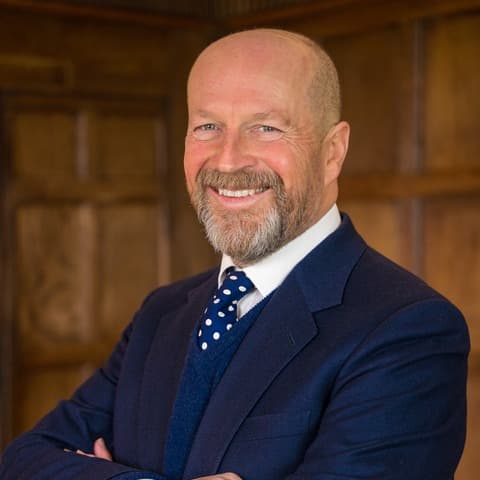



Watch the episode
Listen to the episode
Most founders believe scaling requires bowing to traditional venture capital and prioritizing short-term margins. COOK proved there is another way by surviving near-bankruptcy, funding its own expansion through an unexpected subsidiary, and scaling past £100 million while keeping absolute control over its mission.
In this episode of all about business, James Perry, Co-Founder of COOK and Co-Founder of B Corp UK joins as guest, and he pulls back the curtain on the messy, high-stakes reality of building a national consumer brand from scratch without burning out or selling out.
They unpack the reality of operational risk, the hard lessons of founder resilience, and how building an inclusive hiring model through the RAW initiative turned a perceived workplace risk into one of their strongest operational assets.
James shares the gritty mechanics behind COOK’s early years: how a loss-making enterprise was kept afloat by a cash-generating bakery, why he turned away standard venture capital, and how leveraging national media attention led to finding the patient, long-term private capital that saved the business.
He breaks down how the 2008 financial crash tested their model and why a relentless focus on product integrity built a moat that traditional competitors couldn't cross.
03:22 Cadbury lessons
11:14 COOK origin story
23:01 Rejecting Venture Capital
32:51 SOCAP and B Corp spark
38:19 certification change programme
42:20 RAW talent origins
50:34 systemic fixes and externalities
Follow James Reed on LinkedIn:https://www.linkedin.com/in/chairmanjames/
Follow James Perry on LinkedIn: https://www.linkedin.com/in/james-perry-73a4371a/
Find out more COOK and their products here: https://www.cookfood.net/
Find out more about B Lab Europe and their work here: https://bcorporation.eu/
Submit your application to Reed’s Entrepreneurs Fund for a chance to win a £20,000 grant: https://www.reed.com/entrepreneurs
[00:00:00] James: Welcome to All About Business with me, James Read, the podcast that covers everything about business, management and leadership. Every episode I sit down with different guests that bootstrap companies, mastermind investment models, or built a business empire. They're leaders in their field and they're here to give you top insights and actionable advice so that you can apply their ideas to your own career or business venture
[00:00:32] Well,
[00:00:32] today on "All About Business," I couldn't be more delighted than to welcome James Perry to the studio. James is the co-founder and a director of Cook, a company that will be familiar to many of listeners and viewers. It's a frozen food company that makes and sells frozen ready meals and puddings. Um, Cook sells through over 100 of its own shops across the UK, as well as online and through supermarket partners such Waitrose. I [00:01:00] am a happy customer of Cook. I can
[00:01:02] Perry: I can say that now, James.
[00:01:03] James: Um, James has also, um, very interestingly co-founded the B Corp movement in the UK, um, that was just over a decade ago, and has been an instigator of promoting and, and spreading the message of B Corp, uh, across the country since then.
[00:01:21] And he has also run a program called RAW, which is Ready And Working, is what it stands for, RAW
[00:01:27] Perry: since then. And he has also run a program called RAW, which is Ready And Working, is what it stands
[00:01:28] James: and this is a program that focuses on helping marginalized people into the workplace. So I'll be very interested to talk to you th- about that as well, James. So thank you for coming. We've got masses to cover.
[00:01:39] I'd like to go back to the beginning in a way. You started your working life at a company called Cadbury. Uh, fabulous chocolates. What did you learn there, and how did that come about?
[00:01:52] Perry: Well, I studied economics at university and, um, I was taught that the social purpose of business was to maximize [00:02:00] its profits for shareholders because profits are a proxy for social progress, and that's how we generate prosperity in society. Um, and I was a little troubled by some of the things I was taught, which may- we maybe talk about.
[00:02:12] Um, but I was just really interested- Which university was this? I was at Manchester University. And that was the- In the early '90s It was indeed. It was indeed. It was kind of the height of neoliberal economics being taught in universities and, um, and I was a bit troubled by some of what, um, I was thinking about and some of the consequences that that might, that might arise.
[00:02:33] Um, but I was just really keen to understand business. So I went on the milk round, applied to lots of different companies, and got offered a job at Cadbury's. So ended up moving to Bournville, uh, in, what was it? 1994. But Cadbury's
[00:02:47] James: even then had a sort of reputation for being slightly different its approach to capitalism, if you like. And, and Bournville is also a town that was built to accommodate the workers.
[00:02:58] Perry: Yeah, indeed. So the [00:03:00] backgr- backstory of Cadbury was that John Cadbury, who founded it in the early ei- uh, 1800s, was a Quaker, and he was part of the temperance movement. And they, uh, were concerned by what was going on in the gin shops of the time, and they wanted to create some competition for the gin shops.
[00:03:16] So they invented this dr- initially it was a drink called chocolate, um, in order to, uh, have a sort of temperate response to the excesses of the gin shops. So it was a business that was st- a product that was started for a social reason and with a social heart. Um, and those Quaker values shaped the most extraordinary business over 150 years and made a-- it was a great, it's a great British business
[00:03:37] James: years and made a-- it was a great, it's a great British business. I never knew that. So it was hot chocolate was the first.
[00:03:40] Perry: It was, it was coffee shops, literally chocolate shops, like coffee shops initially.
[00:03:43] Right. Yeah
[00:03:44] James: And that was an alternative to the gin shop.
[00:03:46] Perry: Exactly
[00:03:46] James: Well, that's, that, that's, that's a, a really interesting observation. But what did you learn there?
[00:03:51] So you were there as a young trainee before you left and started this business.
[00:03:55] Perry: Yeah, and it was a wonderful introduction to business. You know, I learned-- I was in the marketing department. I [00:04:00] started as brand manager for other boxed chocolates, and I got to the, to the heights of Cadbury's Roses and then Cadbury's Dairy Milk. Um, but it was a really good introduction to the whole, uh, extent of the business, um, manufacturing, marketing, sales, uh, logistics.
[00:04:15] And, um, but- Where were you working? Where was it?
[00:04:17] James: you working? Where was this? So
[00:04:18] Perry: So it was in Bournville
[00:04:19] James: That's just near Birmingham.
[00:04:21] Perry: It's just, just on, just a suburb of Birmingham now, yeah. Um, but a beautiful place, a, a sort of model village built by the Cadbury family. Um, there were no pubs because, of course, temperant- the temperance values persisted. Um, but whilst I was
[00:04:34] James: there, uh, the thing that
[00:04:35] Perry: there, uh, the thing that really formed me was that, um, it underwent a program called Managing for Shareholder Value, which was where the Cadbury family essentially surrendered control of the business to the city.
[00:04:46] It was listed. Um, and the prevailing ideology at the time of the city was that the purpose of business was to maximize its profits. And there was an extent to which the great Quaker values of the business were getting in the way of that. Um, and so [00:05:00] whilst I was there, there was a sort of pretty ruthless, um, wind blew through the business, which was essentially focusing everybody in it on driving more chocolate sales at higher margins to make more
[00:05:13] James: sales at higher margins to meet- Th- there's lots I wanna ask you about.
[00:05:14] This is probably when the chocolate started getting smaller and thinner and things like that. But, but which didn't go unnoticed by customers. But, uh, so w- so was that when the Cadbury family stepped back? Was-- Were you there at that point? Was that... What, what happened? I can't recall the story in detail, but I remember, as you said, b- it was floated, was it?
[00:05:30] Was it private?
[00:05:31] Perry: So it was floated, I think, in the 1980s. Um, I'm not a-- um, my history might not be completely accurate, but it was, it was floated at some point. Um, but during the 1990s, the family effectively, uh, leadership, uh, handed over to, uh, City, um, the City.
[00:05:47] James: the family stepped aside effectively. They were, I suppose, still shareholders to an extent. Yeah. So then a different ethos entered the business.
[00:05:55] Perry: Exactly
[00:05:56] James: And you noticed that. As a, as a, as an employee, you noticed that.
[00:05:59] Perry: It [00:06:00] was a fundamental and very deliberate change. Um, it, you know, it was perfectly rational, it was perfectly reasonable if you follow the prevailing ideology, which is the prevailing ideology which says that the purpose of this business is to generate prosperity. Profits are a profit proxy for prosperity, and therefore anything that gets in the way of those profits is unwelcome and needs to be removed
[00:06:23] James: But Cadbury's have built a-- the Cadbury family have built a brilliant business that had created much prosperity-
[00:06:28] Perry: They had
[00:06:29] James: in a different way-
[00:06:30] Perry: Well-
[00:06:31] James: I think has a lot of merit, but we'll come to that
[00:06:33] Perry: we can talk about measurement.
[00:06:34] James: that later. Yeah, we'll come to, we'll come to that later. Um, so what did these ex- how did these experiences ultimately lead you to, um, starting Cooke?
[00:06:43] Perry: Well, so I got to the point where I was, uh, not very interested in a career doing that because I- Maximizing profit. Yeah, I had a, I had a, I had, I had some really profound concerns about where that might lead. So, um, the word that I sort of now [00:07:00] know, I, I don't think it really existed back in the day, was, uh, externalities.
[00:07:04] But what are the external unpriced effects of ruthlessly and rigorously pursuing shareholder value? Um- And this is sort of- It is cap- it is what capitalism has become. I think that there are part- There are other variants ... there are other variants of capitalism, for, for example, in the family business community- Yeah
[00:07:23] um, in the B Corp community. But the, but institutional business and institutional capital, um, is governed by an idea called fiduciary responsibility, which has come to be understood as the obligation, the duty to maximize profits for shareholders
[00:07:41] James: Did you know that there are nearly 1 million 18 to 24-year-olds who are currently not in education, employment, or training in the UK? This is simply not good enough, and I want to do something about it. That's why Reed is launching a new initiative giving 20,000 pounds to young entrepreneurs [00:08:00] to help them grow their small business.
[00:08:02] Visit reed.com/entrepreneurs to find out more. We want to support and encourage the next generation of entrepreneurs. And that, and that was what made you uncomfortable. Well, I just felt that if you do that, you, you're essentially prioritizing
[00:08:21] Perry: one kind of capital, which is financial capital, over the other capitals, natural capital, human capital, and you're giving it dominion. And what it therefore does logically and reasonably, if you pursue that idea, is that it, uh, sees nature and people as, uh, mechanisms from which to extract financial value.
[00:08:40] So planet and people effectively are just inputs, and I didn't think that was a good idea. I felt it was gonna lead to negative consequences for planet and for people. Um, and what, what we now know that those are called externalities, but when I tried to talk about those in my economics degree, they didn't wanna talk about that.
[00:08:59] James: Did they [00:09:00] give you a bad mark?
[00:09:01] Perry: mark? I left the degree, actually. I, um- You walked away? I walked away. Yeah. Oh, good for that. Yeah. Yeah. Yeah. Well, I, well, I did stay at the university. To be fair, I was having so much-- I mean, Manchester in the early 1990s was a really- Oh, very good ... was a really good place to be and a really fun place to hang out.
[00:09:14] So I actually moved my degree from economics and ended up studying social policy and political thought. Oh, interesting
[00:09:20] James: So you were, you were sort of politicized by what you were learning in
[00:09:24] Perry: Somewhat, yeah. Yeah
[00:09:25] James: that's what I'm hearing. So, uh, but okay, so then you decided to start Cooke.
[00:09:30] Perry: Well- With
[00:09:31] James: with, with... Well, explain the
[00:09:32] Perry: Yeah, so actually what happened was my brother-- my mo- my mum and dad had, uh, my dad had been a schoolteacher and had got sort of bored age 37, and with four young children, he decided to leave and, um, decided to go into the city, and he lasted two weeks and found himself unemployed with four young children.
[00:09:51] And in desperation, he opened a shop in Tonbridge High Street. Um, and so my formative years and my, my siblings were spent sort of serving [00:10:00] coffee in this coffee shop as baristas. Um, and, uh, they couldn't source cakes, so they, uh, decided to open a cake bakery and sort of slightly by mistake, they ended up running a small bakery business which supplied coffee shops in the Southeast.
[00:10:16] And my brother had joined it, my brother Ed, and, um, joined it as the sales manager. And, um, one of the jobs he had whilst he was there was selling the reject cakes, and he retailed them out of a shop, whole cakes, frozen. And whilst he was doing that, he thought, "If I had an equivalent quality of prepared meal, home-cooked food, I could have a retail business."
[00:10:38] So he tried to persuade my mum and dad to do that. They-- he was, he was a, he was a, he's an extraordinary entrepreneur, but at, as a young 20-something, he was, um, possibly not the most easy person to invest in. So my parents quite sensibly said, "Actually, I don't think we wanna do this with you." So he just got on and did it on his own, and he created a business.
[00:10:57] He found a chef. Whilst he was selling cakes, he found a chef who was [00:11:00] running a events catering business, who was a brilliant chef called Dale Penfold, and, uh, him and Dale created this business together called Cakes & Casseroles. And they did it with a 20 grand loan from the bank and with sort of a rubber band and a fiver and a lot of hope and, um, and energy, and created this extraordinary food range under the brand of Cakes & Casseroles.
[00:11:22] And when I decided to leave Cadbury's, um, and not pursue a corporate career, I needed something to do, and my mum and dad were sort of desperate to hand over their small break-even bakery business. And I thought, "Well, it's a train set, you know. I, I don't know where this is gonna go, but at least I'll be my own boss."
[00:11:41] So I, I agreed to take it over. And, um, Ed was buying cakes, and he wasn't paying for them. Uh, and I went through the debtor book as one does. Buying cakes
[00:11:50] James: from the
[00:11:51] Perry: He was buying cakes from my mum and dad's business. They were supplying him.
[00:11:54] James: and now from you,
[00:11:55] Perry: And now from me.
[00:11:56] James: makes an interesting sibling dynamics.
[00:11:58] Perry: And some interest on the side.
[00:11:58] Well, so I had, we had an in-interesting [00:12:00] conversation saying, "Ed, you know, when are you gonna pay for your cakes?" And he said, um, "Next month." Yeah. And as y- as one does. And, um, o-over the course of some months, we g-got into a deeper conversation about what he was doing, which I thought was fantastically exciting, and he had created this incredible range of food.
[00:12:15] Um, Dale is a genius, and so is Ed, and he's the chef, and so is Ed. Brilliant. And, and I was kind of bored by the prospect of a business to business cake manufacturer selling to coffee shops, and I was much more excited by a retail business with a brand. So, um, over the course of a few months of conversations around when Ed would pay his bills, we came to decide that we would merge the two businesses together and rebrand Cakes and Casseroles as Cooke.
[00:12:41] Um, and off we went, uh, on a sort of new adventure.
[00:12:44] James: So what year was that?
[00:12:45] Perry: That was on the 1st of January 2000. We thought that was a propitious date for
[00:12:49] James: And it certainly
[00:12:50] Perry: for a start. Yeah.
[00:12:51] James: And, and so what was the-- when you were thinking about your customers and the market, what was the problem you were seeking to solve with Cook?
[00:12:57] Perry: Well, the-- I mean, for me, the, [00:13:00] the, that, that, that's in some ways often the difficult bit of starting a business is finding a problem, solving it in a way that you can run a successful business. Ed had done that. So he-- the problem was that,
[00:13:10] James: So he had
[00:13:10] Perry: So he had some customers. He, he, well, yeah, he had so- he had cracked the problem 'cause the problem was all, was solved in the range, the food, the food itself.
[00:13:17] Right. And the problem was that people ha- were getting increasingly too busy to cook at home, their busy family lives, lives were getting busier, and home cooking at the time was the predominant way that people would feed their families. Uh, but the offer at the time of alternatives was not very high quality and had come out of a sort of mass manufacturing industry.
[00:13:37] So Ed and Dale said, said, "Look, what happens if you take home cooking, essentially, food made by hand using the same ingredients and techniques that a good cook would use at home? How do you-- h-what, what happens if you create a f-ra-range of frozen meals that does that?" So it's a completely different product than what was on the market at the time.
[00:13:55] Um, and as a result, and, and I, uh, both Ed and I are very independently minded, so [00:14:00] we had no interest in trying to sell that to retailers who we didn't feel that wasn't really where the market was at. Um, so we had to sell it ourselves, so we did it. We had a vertically integrated business with our own shops, and Dale would be in the kitchen making it.
[00:14:13] So your first, the,
[00:14:14] the, bakery
[00:14:15] James: that you over from your mum and dad, that became Cooked, did it?
[00:14:19] Perry: So the bakery continued, and actually, so the ba- the bakery business, the bakery business was a ba- ca-cake manufacturer selling to food service. And the lovely thing about cakes is that they're basically flour, eggs, sugar. Uh, the ingredients are quite cheap, so the gross margins are quite good.
[00:14:37] James: quite good. Flour, eggs, and sugar are lovely, yeah. That's why we like eating them.
[00:14:40] Perry: That's what we like to hear. I love that. That's what we like to hear. Well, quite. Uh, and, and so we, we figured out that actually if we were able to jack the sales of the cake business, then it would start pumping out cash. We also knew that Cook was very cash hungry because we needed to invest in shops, but also in kitchens, and it was loss-making for quite a long period of time.
[00:14:58] So we thought we'd use-- [00:15:00] we'd, we'd jack the s- the cake business. How long was it loss, Jason? Uh, we didn't make a profit in Cook until, um, we started making EBITDA in the sort of from 2005, 2006. Um, based on that, we did a- So for five years
[00:15:13] James: five years you were not even achieving EBITDA. For five years we were
[00:15:15] Perry: For five years, we were not achieving EBITDA, and actually- Earnings before interest, tax, and depreciation.
[00:15:20] E- exactly. And for, and for s- and for s- and for quite a lot of that time, we were not just not making EBITDA, we were hemorrhaging cash. And we need-- And, and we didn't wanna take external capital because we wanted to stay in control, because independence is Ed and my and our families' and my sister Rosie's kind of core value.
[00:15:36] So, um, how did we do that? Well, for-- in the early years, we used the cake business to generate cash, which we then shipped over into Cooke. Um, and then that became unsustainable, partly because the poor people running this wonderfully successful bakery business and growing very fast needed new s- kit, you know, new ovens or whatever.
[00:15:54] And we said, "Well, there's no money." And they'd be like, "Well, that's 'cause you've gone and spent it all at Cooke." And we'd be like, "Well, yeah, sorry." And, [00:16:00] and you know, it was hard for M- for them or us. So it came, there came a, a right point of time to sell that business. So in 2003, we sold the cake business, which we basically used the proceeds as venture capital for Cooke
[00:16:12] James: Right. So where was the first Cooke shop then? So
[00:16:15] Perry: So the first cook shop was in Farnham. Um, it-- so Ed o-- well, Ed opened it as Ca-Cakes and Casseroles in 1997. Um, and Dale would be in Sittingbourne cooking, and there would be a sort of cash transfer between, between them, and they barely cook- took, uh, kept accounts. It was basically Ed would send Dale the cash.
[00:16:33] Dale would go to Billingsgate and Smithfield and buy the ingredients and go back and cook them. Dale would then send the food to Ed. Ed would send the cash back. Right.
[00:16:41] James: So it evolved from that. You now have 100, is that right?
[00:16:44] Perry: About 115, yeah
[00:16:45] James: 115, so it's still growing. And, um, where's the cooking done now? I mean, is it still in Dale's or is it-- I mean, in a sense it is, but I imagine it's a pretty big kitchen somewhere.
[00:16:56] Perry: Well, so interestingly, conceptually, it basically is still done in, in Dale's [00:17:00] kitchen. So, so the, the, the barrier to entry for our business and the USP is the way that the food is made, which delivers a completely different product to what you can get elsewhere, which is why our business has suc- been successful in the face of really excellent competition from, you know, people like Marks & Spencer's.
[00:17:16] Um, they, they just can't replicate the quality of that food, so people make a special trip to our shops to buy. Um, but actually what happened was Dale figured out how to scale that, um, batch cooking, uh, that batch cooking, um, uh, methodology and, um, and we just built bigger and bigger and bigger kitchens, and we've got better at process over time.
[00:17:37] James: would you have to support 115
[00:17:39] Perry: many kitchens would you have to support 115 shops? So we now have three large savory kitchens and one, uh, large puddings kitchen, which is down in Somerset, and a, and a large logistics center, and the savory outfit is in Sittingbourne.
[00:17:52] James: So you're moving a lot of food around as well then. So where's the logistics center? So the
[00:17:56] Perry: So a logistics center is also in Sittingbourne. Um, it could be [00:18:00] elsewhere, but actually for operational reasons, it makes sense to be proximate
[00:18:03] James: Right. How interesting. So you, you said something that really struck me, that independence is your core family value. you talk me through why that is or what that's about?
[00:18:15] Perry: Well, I think a lot of that came from my formative experiences with my economics degree and then, um, and then at Cadbury watching what happened to that business. But my f- my parents, you know, w- both of their backgrounds, their families were, um, from o- lived overseas. So my mother's family were explorers and then coffee farmers in East Africa, and my father's family was from India, where they were part of the British Raj for a while and, um, you know, engineers and that kind of thing.
[00:18:44] So they were all, all quite independent-spirited, adventurous people. So I think that family culture was there. But also when my mum and dad started their bakery business, um, they needed someone who could bake, uh, and their-- my mother's best friend had been running a drug rehabilitation center [00:19:00] as the cook, and they persuaded her to join them as the person who was gonna bake the cakes.
[00:19:04] And her condition was that she would only employ-- that she would employ the recovering heroin addicts that she had been cooking for in the drug rehabilitation center. So their, their, their employment policy when they started was pretty racy, um, because they pretty much employed recovering heroin addicts, which was challenging.
[00:19:21] Um, but they figured it out. But what it did with my brother, my sister, myself, was that it, um, landed this idea that you could use business, um, as a m- as a means to do many things as well as making money.
[00:19:33] James: Yeah. Which you were sort of alive to, it sounded, you know, as a young student. I mean, that was obviously on your mind. But you've obviously, uh, you know, needed investment to build this business and, and you brought investment in from outside the family, but you didn't use the venture capital private equity route, as I understand it.
[00:19:53] H-how did you go about that? Because I think a lot of people who are interested in building businesses will be curious because they probably wanna [00:20:00] remain
[00:20:00] Perry: You probably want to remain independent too. So, so you've done that
[00:20:03] James: but at the same
[00:20:04] Perry: the same time,
[00:20:05] James: invested r- big amounts of
[00:20:07] Perry: capital. Mm-hmm.
[00:20:08] James: So how, how, how did
[00:20:09] you do
[00:20:10] Perry: you do that? Yeah, and it's a capital-hungry model. And, you know, one of my tips to young, uh, entrepreneurs is if you can avoid a capital-hungry business model, then that's really a great thing to do.
[00:20:20] It's not always possible, certainly not possible in the case of Cook. But the way that we, we were very fortunate 'cause we had-- we were given a leg up by my mum and dad with that business, which was a bit of a, um, a, a hidden diamond. And so we were able just to find that diamond and then create that- This is the basis
[00:20:36] cash machine, right, which got us through the early days. So if
[00:20:38] James: you've got a cash generator, look after
[00:20:41] Perry: look after it. Look after it. And, um, so, so we were able to generate some cash there. Then we were able to sell it, so we effectively created our own venture capital. Um, the, um... And then we thought that would get us to the, you know, to the bottom of the hockey stick or the J curve, and we'd be able to turn the corner and start generating cash.
[00:20:58] We were wrong. The maths, we-- [00:21:00] Well, w- the maths turned out that we needed more capital than we had initially thought.
[00:21:04] James: were too
[00:21:05] Perry: optimistic. W-we were too optimistic, as I suspect is true of every entrepreneur. I've seen many business plans that have turned out to be too optimistic. I've never met an entrepreneur that's- We don't, don't we?
[00:21:14] So- ... that's not optimistic enough. Yeah. Yeah, yeah. Optimism's good but
[00:21:17] James: is good, but when it doesn't work out, you've got to work out a way to move forward. Yeah. Yeah. So what did you do?
[00:21:22] Perry: Well, so, um, we, we, we, we started meeting venture capital funds. And, and, and look, nowadays, the idea that you can use business to create a broader idea of value is more socialized than it was back then. Like the neoliberal
[00:21:37] James: then. Like the neoliberal
[00:21:38] Perry: kind of, um, intellectual paradigm was very-- had a very powerful grip back in the early 2000s.
[00:21:45] And as a result, when we spoke to venture capitalists, they looked at us sideways when we said our goals for the business went beyond making money, and actually we wanted to create a different kind of business. And that made them feel nervous. And you were growing externally. And we were doing all sorts of things that they would [00:22:00] say made no financial sense.
[00:22:01] So we, you know, s- paying more for ingredients because we wanted them to be sourced the right way, in a way that maybe the customer would never know. You know, those kinds of things were just costs we were building into the business, which they couldn't understand. And, um, and, and I understand why they didn't understand them.
[00:22:14] They were, they were v- the thing about venture capital is it's not their money. They're running money for other people. So they raise money from investors, and they make a promise to investors, and they are bound by the conventions of fiduciary duty, and therefore they're a-arguably in breach of their duty if they don't maximize the financial interests of their investors.
[00:22:32] So they, they were p-pretty much boxed in. We had some frustrating conversations 'cause we were just misaligned. We couldn't- So they weren't buying what you were
[00:22:39] James: weren't buying what you were selling, in a sense?
[00:22:41] Perry: Ah, they were say- they were saying-- they were trying to change-- they, they were trying to convince us to change, and we didn't wanna be changed.
[00:22:47] And, and therefore, we just couldn't find agreement. That was no good. So we, we were slightly at a loss actually in about 2004, I think it was 2004 or '05 when, when we'd, um, spent the money from the cake [00:23:00] company, um, or were fast running through it and realized that we were gonna run out. So we were scratching our heads, and we were very fortunate actually, 'cause, um, John Timpson, the great, um, the great key cutting, uh, bus- family business, um, then run by John, then run by James for a while, his son.
[00:23:18] Um, they were very kind to us because we reached out to them, or Ed reached out to them and said, "Look, um, can we come and see you? We just wanna learn." And we-- 'cause we, one of the things we did, and I, I'd urge any entrepreneur to do, is just reach out to people and ask if they'll meet you. And, you know, a lot of people won't, but sometimes they do.
[00:23:33] And John and James were incredibly generous with us. When we were early in our journey, they invited us up to Stockport, and we sat there, and they gave us a masterclass in running a business. And, um, one of the-- and, and one of John's fr- and we, we were sort of sharing this idea that we were, you know, basically needing capital but didn't wanna take institutional capital, and what, what, what should we do?
[00:23:52] And John at the time was writing a column in "The Sunday Times"- Oh, right ... business section. That's good. It was a great column. And, um, he said, "I get your problem. [00:24:00] I'm gonna put you in touch with a journalist." And John, bless him, put us in touch with this journalist who came down to see us, and we explained the problem, and he totally got it.
[00:24:06] And he wrote an article to basically to help, and it was slightly, "This is this magnificent young business with all this potential. It doesn't wanna take venture capital for good reason. What's an entrepreneur to do?" And on Monday, the phone went. And, um, some of the people that phoned up were nut jobs, but one of them was a magnificent, uh, a magnificent, independent-spirited man called Christopher Weston, who had sold a business called Phillips, the auction house.
[00:24:34] Right. And he wanted to make his own investments. He didn't want to tr- entrust it to the institutions, po-possibly partly for the same reasons that we didn't wanna take institutional capital. And, um, as a result of that conversation, he ended up making a large investment, over a million pounds, uh, in a business that was turning over, I can't remember at the time.
[00:24:54] We were probably turning over six or seven million, and we were losing a lot. And so it was a pretty racy call from him, [00:25:00] but he was prepared to take a view and take a very long-term perspective, and his family are still investors, still own 11% of Cooke, and, um, we've had a fantastic ride with them.
[00:25:12] James: There's so much in that story that's interesting to me. I mean, the, the fact that you went and spoke to other entrepreneurs and the, the fact that the Timsons gave you what you described as a masterclass is, is so interesting. But then that, that you used media or journalists to help you. I mean, lots of people wouldn't think of that. and the story being shared brought in new interest, and that they were long-term investors of a different type. I mean, that, that, that has so many lessons for all of us in business that i- is helpful. But what, I mean, I mean, I c- I think I know the answer to this, but what did they see in you? Well You'd probably have to ask them. No, but I mean, what, y- you said it wasn't making any money. It was looking a bit flaky. But-
[00:25:58] Perry: What did they see in you? Well, you'd probably have to ask them. I mean, I don't know. We, we, we- It wasn't making any money. It was looking a bit flaky. We were very... I mean, I, uh, we were [00:26:00] very, we were, we were very-- We had a very high level of confidence in our product and in the need that we were meeting. We didn't, I think at the time, quite appreciate the extent to which we had parked on a wave, you know, the w- which isn't necessarily a completely welcome wave.
[00:26:14] You know, we believe that the best thing people can do is to cook for themselves. There's nothing better than home cooking. It is the kitchen- There's a lot Completely. And the kitchen needs to be the life and soul of the, of the home. And so h-home meal replacement is a, a, a problematic concept in some ways.
[00:26:31] But our, our idea was that if you're going to-- you can't cook or every meal all the time. If you're going to have a home meal replacement, for heaven's sake, eat something really good. And so that was our sort of idea, and we hadn't quite appreciated the extent to which that home meal replacement wave would just keep on going.
[00:26:47] So we've been fortunate, we parked on a wave and we've managed to stay on it. Um, so that's one, one thing. The se- but the second thing was that Ed and I-- Ed's a very inspiring person, you know, and, uh, a great leader. And, [00:27:00] um, so I think Ed's charisma was jolly helpful. And we were both, I mean, at the, uh, back, back, back then, my, my role was more sort of the, um, sort of backstage, the operations, the finance, the financing.
[00:27:14] Ed's in- Ed's incredibly good at that as well. But, um, I had a pretty sharp pencil and I was pretty conv-convinced that the-- I believed the maths essentially, which was that once we had the scale, you know, high fixed cost business, we're quite operationally leveraged, but once we had the scale, we would generate quite a lot of cash.
[00:27:32] And so, so we had quite a strong economic argument. We had quite a strong market argument. We had a fantastic product, and we were young and we had a huge amount of energy. And also we were-- we, we had to make it work. You know, everything we owned, we had all these personal guarantees. You know, my wife was, was having children at the time and, um, we knew that one wrong step and the house would have our hou- we'd be, we'd be evicted.
[00:27:54] So w-w- I see ... w-failure was not an option
[00:27:58] James: Right. So you were absolutely [00:28:00] committed. So- Committed ... I suspect that he was investing in you two. I suspect he possibly was.
[00:28:04] Perry: I suspect he possibly was
[00:28:05] James: I mean, I think investors look, look to the entrepreneur, don't they? And, but, but also I think that those, the list of things you just described, having ticks against each of those is very important, very persuasive.
[00:28:16] Yeah.
[00:28:16] the, the, So
[00:28:17] Perry: the P and L was quite persuasive the other way, but yeah.
[00:28:19] James: one might put you off. But that was a key moment for you, wasn't it? Yeah. It
[00:28:23] Perry: It was
[00:28:23] James: so going, going forward, um, you obviously grew this business, but you became increasingly interested in the sort of wider purpose of business.
[00:28:34] And you, I believe, were one of the pioneers of the B Corp movement in the UK. James, tell me about that.
[00:28:43] Perry: Well, what, what happened was, um, we, we didn't wanna sell more equity than we had to, like any good entrepreneur. And, um, we-- the, the credit environment of the early 2000s was very helpful to businesses that wanted to borrow money that [00:29:00] possibly was unwise to borrow, um, which was us. Uh, and so we ended up taking a very large loan from HBOS, uh, in 2007, which no bank should have made.
[00:29:14] Um-
[00:29:14] James: the very bank should have made. Well, they, they... That caught up with them, didn't it? Well, it- Rather famously in 2008. Indeed it did. But it also rather caught up with us. Did it? Because- What happened? ... we had... Well, we got... When the credit crunch-
[00:29:16] Perry: it? Well, it also caught- Indeed it did. But it also rather caught up with us. Did it? Because we had-- Well, we got-- When the credit crunch happened in 2000, the financial global, global financial collapse happened in 2008, our sales went down by 20% overnight, and all of our cash generation projections were for the birds, and we breached all of our banking covenants, and we were very close to bankrupt.
[00:29:41] I mean, we had to do an, an extraordinary number of things in order not to go under and in order to make payroll every month. Um, and that's a long and, and sad list of things we had to do. But, uh, we survived. But when it, when I, uh-- And when we came out of that financial crash and we, and I [00:30:00] saw the quantitative easing, which, you know, government printing money essentially to keep the financial system a-afloat.
[00:30:06] But when I realized that actually that that was the effect of quantitative easing was as a massive wealth transfer from the taxpayer to the wealthy, because it inflated asset prices, and the bankers seemed to get away with it scot-free. And I'd had these, this disquiet previous around the externalities of this idea.
[00:30:26] Um, I just couldn't, I just had, I had this compulsion to explore and understand more deeply what was going on, because I had this strong sense that it was gonna lead to calamity from both a, um, planetary point of view, but also from a, um, human point of view in terms of our wellbeing. And, uh, and, and it, and, and what I learned, the mo- Well, I learned a lot of things, but one of the things I learned was that it wasn't the fault of the people who were, you know, there's great people.
[00:30:56] The, these large corporations are extraordinary things. They do incredible [00:31:00] things. They bring us our food in the most amazing way so cheaply. Um, you know, our technology is extraordinary. So it's not the fault of the people running the thing, but there's a, there's a, there's a glitch somewhere. So I just wanted to understand it.
[00:31:11] So I found myself in, um, 2010 in San Francisco because there was a conference. I was told the best place to go is this conference called SOCAP, which stood for Social Capital Markets. How can capital markets serve society rather than society serving capital markets? And so I found myself in San Francisco, and it was a bit kind of, it was like the early days, and there was, it was run by this crazy sort of veteran from the 1960s with his wild eyes and his crazy hair from California called Kevin Jones, who was a wonderful guy.
[00:31:40] And, um, and we-- So, so it was all quite glamorous. You know, food trucks. Like we were in Fort Mason, these wonderful wharves that went out into San Francisco Harbor overlooking Alcatraz. It was all quite exciting. And in a theater, uh, at this conference where there was only a few hundred people and it was all quite chaotic Um, there was this chap called Jay Coen Gilbert, [00:32:00] uh, and he got up in, in this, in this theater with about 80 or 100 of us in it, and he told us about this idea he'd had called a B Corporation.
[00:32:08] And they'd just started in the US, and they had about 200 companies, and they were all sort of small social enterprises, mostly in California or, or the East Coast. Um, and I was-- It was a eureka moment. Wow.
[00:32:20] James: it called B Corporation? Do you know?
[00:32:22] Perry: Well, Jay, a lot of people think it's for benefit corporation because they've passed a lot of laws.
[00:32:27] They had to-- In the US, it's illegal if you don't maximize profits for shareholders. Company directors can be sued. Um, so they have to pass a law to protect company directors if they want to do anything other than maximize profits, which is called a benefit cor- So they wrote a statute, they called it the benefit corporation, and they went round state legislatures passing it, and-
[00:32:45] James: State legislatures passing it Oh, so that had... Well, at a state level, that had to be passed
[00:32:47] Perry: that had to be passed.
[00:32:47] So it had to be passed state by state by state
[00:32:49] James: And that didn't, that wasn't a constraint in this country?
[00:32:53] Perry: No. So our-- we have, uh, the, uh, 2006 Companies Act, which has something called Section 172,[00:33:00]
[00:33:04] where there is more wiggle room because, uh, but there's a lot... I w-we won't go down, necessarily go down that rabbit hole, but there's a lot of debate around the wording in Section 172 of the Companies Act and what it actually means.
[00:33:09] James: Well, no, I'm interested in that
[00:33:10] Perry: I'm interested. Okay.
[00:33:11] James: does it
[00:33:12] mean? What, what, what's your issue here? What's the-
[00:33:13] Perry: s- Or what's your interpretation?
[00:33:16] So, um, New Labour, Tony Blair, and Gordon Brown had a concern about this neoliberal kind of mindset that had taken over business, and they wanted... They had this idea of stakeholder capitalism. Um, and so they wanted to make the company something that had to operate for all of the stakeholders: workers, communities, the environment, as well as shareholders.
[00:33:34] And, um, they-- And Will Hutton helped them with it, um, who's a sort of academic and was then a journalist. And, um, they ended up landing on a, a, a form of words that says company directors must run the company in the interests of its members, which is its shareholders, and in doing so, they must give regard to other stakeholders.
[00:33:57] So the, the words which bear the weight [00:34:00] there are "give regard to," and there was, I understand, a tussle behind the scenes at the time between Gordon Brown and Tony Blair as to how far they would go, and they landed on "give regard to," which is very weak, because there is a concern that if you elevate the interests of other stakeholders, um, and you require all companies to do that, they could become uncompetitive in a global capital market context.
[00:34:25] So effectively, UK PLC might have burdens which other companies don't have, which could be to the detriment of UK economic success.
[00:34:33] James: Right. But, I mean, give regard to, to me means pay attention to.
[00:34:38] Perry: Right. Do you think that's weak?
[00:34:38] James: You think that's weak?
[00:34:40] Perry: Well, what it doesn't... b-because we can all pay attention to it, and then we can move on. Yeah.
[00:34:44] James: I suppose then it's up to you, isn't it?
[00:34:46] I mean, you're not being forced by the law to
[00:34:48] Perry: You're not being forced by the law to do things. Right. So, so what the benefit c-corporation statute does and what B Corps do is- Uh, puts you into a tighter- Is they, is they say that the purpose of the company is to create value for everyone, and therefore [00:35:00] the director's duties are to, um, balance the interests rather than give regard to, which is a completely different
[00:35:07] James: So that's a much higher level of commitment. Yeah. And that's what you're committed to. Yeah. So you brought this idea to the UK.
[00:35:14] Perry: Yeah, so I'm- How did it then--
[00:35:16] James: how was it received?
[00:35:17] Perry: Well, so I met Jay in 2010, and I was terribly excited, and I came back to Ed and Rosie at COOK and said, um, "We've got to become a B Corp." And they said, "What's a B Corp?" And, and then they thought basically, and they with some possible-
[00:35:30] James: told them that you had to do these
[00:35:31] Perry: told them that you had to do B Corp.
[00:35:32] I said, "We have to do this." And, and they- You were getting on their case. And they, well, they just thought I'd been drinking. I mean, they were, they, they, they were, they were very committed to the principles and like we've never had any problem. We, we've never-- We, we were all doing-- COOK was always gonna be this.
[00:35:45] We'd been doing it on our own, and one of the reasons I'd struck out and gone so far overseas was to find others who agreed, because there was this kind of gaslighting going on and everybody saying, "Well, you don't understand. That's not what the purpose of the business is." And, and I just was like, "This is completely crazy."
[00:35:59] And, and I [00:36:00] was so excited to find a group of people who were creating a movement around this different idea that we were already doing. The thing, the re- the, uh, the reason was, I mean, I think it was partly because I was a bit too overenthusiastic, Kool-- too much Kool-Aid in San Francisco kind of thing.
[00:36:12] Yeah. He's been in the sun. Exactly. Yeah. So
[00:36:14] James: so but, but that's an interesting thing when you're trying to sell an idea not to go too over the top, isn't it, perhaps with your enthusiasms. But you obviously won because you are a B Corp and
[00:36:23] you set the whole thing up.
[00:36:25] Perry: so then what happened was Cook, they, they, they did listen and they ended up going to a B Corp retreat, which was the thing that really landed it for them.
[00:36:31] It's, "Oh wow, these companies are really doing things differently, but most importantly, they're doing it together and they're learning from one another, and it's this fantastic learning community." So they came back from that, um, inspired and then Cook very quickly certified as a B Corp, but it wasn't easy.
[00:36:45] You know, there's, the, the, the way that it's assessed has changed, but back in the day, we had to score a score of 80, and when we first did the assessment, we scored 50, and we did-
[00:36:55] James: the hardest
[00:36:56] Perry: what were the hardest things for you to change? Oh, we had to change everything. I mean, that, that was-- [00:37:00] So
[00:37:00] we- Even
[00:37:00] James: was- Really? Even as a sort of good
[00:37:01] Perry: as a sort of good employer.
[00:37:01] As a, as-- We thought we were good, right? Good intention. And, uh, well, we were doing our best, but actually what it gave us was a framework to look at ourselves through, which led us to understand that there was a lot more we could be doing. And, uh, and the spreadsheet that we created had 200 rows on it, and each of those was a substantial action we had to take in order to get ourselves to 80.
[00:37:20] And we went through that and we were like, "That's 200 bits of change. Do we really want to do that?" And we looked at it and we just thought, well, all of those things in their different ways are gonna make us better and stronger. And yeah, we leaned in, and the whole business was committed. It was a change program.
[00:37:35] And in 2013, we certified as a B Corp, and we were one of the first sort of handful, um- In the UK ... in the UK. And then we thought, well, the whole point of B Corps is doing it together. We can't do it on our own, so we need a community. And, um, I was-- I, and I, I, I'd actually been doing some work, um, on my explorations into kind of the, the spirit behind the invisible hand.
[00:37:54] You know, this, this kind of idea of how do we fix this, this glitch in capitalism which could end up [00:38:00] killing us all. I, I'd ended up doing some work in what's now called impact investing, which is investing for, uh, good outcomes for everybody, not just for shareholder value. And, um, I'd got to know the B Corp founders through that work.
[00:38:13] Um, there was a G8 task force I was part of, and so were they, and we, uh, we ended up, um, becoming friends. And so I was then helping them to figure out how to launch in the UK, and they just said to me: "Why don't you do it, James?" And I thought, well, that's a nightmare job. I mean, you've gotta go to companies, say, "Become a B Corp."
[00:38:31] They don't know what that even is, and they've gotta change their legal-
[00:38:34] James: practice with your
[00:38:34] own family.
[00:38:35] Perry: right. Exactly. They've gotta change their legal constitution. They've gotta do this- Yeah ... painful assessment. It's a, it's a big thing to ask people to do. Um, and w- and we just found a crowd of people who really got it and went with it.
[00:38:47] Right.
[00:38:48] So
[00:38:48] James: improved your business in your view? Yeah. your journey suggests that that's the case. Um, where, where are we at now with B Corp? You know, is it still performing as well as it [00:39:00] was for you? Is it still-- 'Cause I, I hear some pushback now that it's a bit of a straitjacket
[00:39:06] Perry: Yeah
[00:39:06] James: or- Yeah. I mean, you might have heard that anyway all the time, but.
[00:39:08] Perry: Yeah, it's-- I mean, look, there, there's d-different altitudes to answer that question. It's, it's-- o-on one level, it's magnificently successful. It's, uh, there's over 3,000 B Corps in the UK now. It's 1% of the UK economy, uh, which is an astonishing achievement in 10 years. Um, it's now a charity which has-- B Lab, uh, uh, who, who runs the B Corp movement in the UK, is a charity that's-- we set up, and I involved a, a friend of mine called Shami.
[00:39:33] Called B Lab. It's called B Lab. I involved a friend of mine called Shami and Love to help me set it up, so the two of us co-founded it. And, um, and, uh, it's now like this 10 million revenue, 12 million revenue charity with like fantastic numbers of employees really campaigning to change the purpose of business in the UK.
[00:39:48] So on that level, it's wonderful. On the other level, look at what's going on in the world, you know, and, uh, have we changed anything? Does it mean anything? So it depends sort of slightly which lens you [00:40:00] look at it through. Uh, I-- and obviously there are difficulties, complexities around how do you assess these companies?
[00:40:07] What sort of-- how big do you want the community to be? Is this for a small group of-- is this for the tip of the spear, the very best of the best, or do we wanna broaden it and to have more companies? And those debates rage, and different people take different positions, and there'll, there'll always be controversy around that.
[00:40:22] James: listening wants to do this or support their business in doing this, where do they go? Where-- how do they find B Lab or what's the- Um, bcorporation.uk- Right ... will give you
[00:40:29] Perry: will give you everything you need
[00:40:32] James: And, and they're supported in that journey. Yeah. Yeah. No, it's a good question, isn't it? Has it changed anything? I mean, that's, that's, that's a, that's a fair question. Um, but you have also, um, a very interesting, uh, program in your business called RAW, and I, I think that really has changed things and, uh, and, uh, and without question.
[00:40:54] Tell me about RAW. Um. So
[00:40:57] Perry: as we were thinking about the purpose of the [00:41:00] business, um, you know, we wanted to nourish people and planet, and that takes you down a lot of different-- into a lot of different places. But one of them was into, obviously, the people, and we-- And the background of that, the, the background of that program, to some extent, comes from my mother, who, um, who, whose best friend and Diana, her best friend, who insisted on, um, employing recovering heroin addicts.
[00:41:24] So that idea landed quite deeply. And then Dale, uh, the chef who Ed co-founded the business originally with, um, is a very big-hearted man, and he would, um, look at his ingredients at the end of the day that w- might not be needed and think, "Well, we need to do something with these." So they-- The chefs used to go down to this, um, homeless shelter in locally and cook the ingredients for the people or help them cook them.
[00:41:53] James: ones that hadn't
[00:41:54] Perry: haven't been used? Yeah, the unused ingredients. And what the guy running that s- charity said to them was: "Look, this is [00:42:00] lovely and thank you, and w- I'm very grateful, but what, what these people really need is a job. Can you give them a job?" And Dale said, "Sure," and as Dale does. And, um, so it started in a very organic and not structured way.
[00:42:13] But what really happened then was my sister, um, took over leadership in COOK, um, and became co-CEO with Ed in the early 2010s, and she really grabbed that. W- we were doing this in a sort of s- i- i- chaotic and not organized way, and she took that and turned it into a highly organized program with, with, with a very intentional, uh, goal of 5% of our workforce to be, uh, raw talent.
[00:42:41] And, um, we started partnering with prisons, other charities, um, and it's become the most phenomenal thing in our business.
[00:42:49] James: our business. So how do you make that work? 'Cause I, I think it's a really good thing for businesses to do. What, what, what's important to get right for that to work for you and for the people [00:43:00] joining you from those marginalized backgrounds?
[00:43:03] Perry: Well, Rosie would be better placed to answer that question than I would, 'cause she's the one who's actually done it. But, um, what-- But, but I've watched it pretty closely, and what, uh, the f-the most important fa-factor was the culture. So, you know, we're asking people who have, you know, a lot-- of mostly blue-collar workers who have hard jobs and hard lives to accept people, very complicated people into the workplace to work with them.
[00:43:31] And that's a big ask, and, uh, it can't be taken lightly. So, and it has to be consensual. So there was a lot of work where, um, the consent of the people wa- of our people was sought. And your existing team. Of our existing team was sought. So
[00:43:46] James: as sort That you had to get
[00:43:47] Perry: agreement. Yeah. Yeah. I mean, we had one, one case where, you know...
[00:43:51] And, and as a result of that, we had, uh, a bar on people with a murder conviction or people with sexual offenses because people felt they wouldn't be s- Yeah. [00:44:00] Would make them feel unsafe. And, um, and we had a instance where the prison came and said: "Look, we have someone with a murder conviction. It was a long time ago.
[00:44:08] They've changed. We think that this is a really good candidate." And the team, and the team w- the question was put to the team whether that would be something they'd accept, which they decided to give the person a trial, and after the trial, they decided to take them on. So that cultural piece is- But they, they,
[00:44:25] James: they were the decision makers post-trial whether he was taken on.
[00:44:28] Perry: It has to be done with consent and with the culture.
[00:44:31] The culture has to welcome it. Otherwise, you're just gonna give these vulnerable people who've had a terrible experience of rejection and exclusion another bad experience. Yes.
[00:44:41] James: But that, that, that is, is so important to stress that, that the team needs to embrace it.
[00:44:46] Yeah. And it takes time to
[00:44:48] Perry: takes time
[00:44:49] James: through and, and get their support. Right. So you said 5% of your workforce
[00:44:54] Perry: Yeah. And, uh, and, and I think w- the second learning has been that, um, once that [00:45:00] starts to work, it become... People-- And it's, uh, you know, the team working in it, and I don't experience this, this directly, but I can see that it's difficult work. You know, it's, it's... The, the path to these recoveries is not, uh, straight, and sometimes things go wrong, and people fall off the rails or whatever.
[00:45:17] So it can be difficult and challenging and, and upsetting. But, um, what happens is that... But the, but the, but the wins are profound. And, uh, and th- and once the culture buys into that, what then happens is you start getting graduates from the Raw Talent program who are in positions of leadership in the company, and they are really passionate about that program because they want other people to have the same opportunity that they had.
[00:45:40] So you sort of create a flywheel within the business of, um, of helping those people with a, with a, with a hand up. Um, almost every s- we have a Raw Talent graduation thing where, where they come in for a week, where they have a sort of getting ready for work trial and some trial shifts and so on. And at the end, they have to do a presentation, and [00:46:00] they tell their story.
[00:46:01] And it's the best meeting you can have in business. I've never heard anyone on that Raw Talent program tell a story about their childhood which didn't involve a horrific set of experiences
[00:46:16] James: Well, I can see the emotion in your face. You're
[00:46:18] Perry: Every time. You think about the stories you've heard. Yeah. Yeah. And so, so the idea that we wouldn't give these people a hand up, you know, they've made bad decisions.
[00:46:27] We understand that. We all make bad decisions, but they've had a, a terri- the... I've never met one who hasn't had an incredible set of trauma in their background. So why wouldn't we give them a hand up?
[00:46:40] James: So why wouldn't we give them a hand up? Yeah, no, I completely agree. And w-we have a business called Reading Partnership, which supports people who've been out of work for long periods of time, often some prison or other experiences like that. found that when those people move into employment, they stay much longer, they become great contributors to the [00:47:00] business.
[00:47:00] And it sounds like from what you're saying, that's been your experience
[00:47:03] Perry: So the raw talents are a value driver in our business. They enrich us, and they've made us a much better place
[00:47:09] James: Yes. And people wouldn't necessarily think that from the-- when you start hiring people from prison or hir- former drug addicts and things. So that's so good to hear. Um, so what would, what advice would you give to young entrepreneurs who, who are thinking of building a business with purpose? You know, not just to maximize shareholder value, but your-- Is, is, is, is there a sort of approach that you would advocate? A, a way to start, I suppose?
[00:47:40] Perry: Where to start, I suppose I think there's a few things. I think being clear about that purpose and to the extent you can, it, you know, e-expressing it in writing, um, in your strategy. How does your strategy relate to that purpose? You know, Cook's, Cook's strategy is revolved around our [00:48:00] purpose. You know, our purpose is at the very heart of our strategy.
[00:48:02] Um, so, so I think that the first thing is the centrality of purpose and the expression of it. I think the second thing is then writing it into your foundational documents. So, um, things like articles are, um, not exactly the first thing an entrepreneur jumps out of bed to get excited about, uh, their legal documents.
[00:48:22] But actually embedding your purpose in your legal documents is important because it's a statement of intent, and it means that when you come to talk to investors or talk to other parties, you've got something to grab hold of rather than it's just otherwise it can become quite kind of airy. Uh, and the third thing I think is, um, making sure that whoever owns the business is aligned, because, uh, these things tend to go wrong when people who don't share that purpose become owners of it, and then that can get, that can lead to difficult conversations.
[00:48:56] James: Hmm. So, I mean, so taking that f- sort of big [00:49:00] picture, you've also argued that business can help solve societal problems. But I sense that you, y-you don't feel we're doing as well as we could be. I
[00:49:12] Perry: to solve societal problems. I think business is set out to make money. Yeah. And, uh, I don't think those two are the same things. Um, so I-
[00:49:21] James: Do you think they could become the same thing?
[00:49:23] Perry: Do you think they could become the same thing? Well, I think, I think it's-- I think that's the question that we should be addressing ourselves to with some urgency, because I'm-- I believe in business.
[00:49:32] You know, I love business. I love markets because they keep you honest, and I love business because it is actually... What is business? I think in some ways it's, um, a venue to organize the ingenuity and brilliance and talent of humans. I think that, uh, and with, with capital available to put behind whatever they wanna do.
[00:49:53] James: Yeah, it solves
[00:49:54] Perry: countless problems. Business solves problems. Business is a problem-solving machine, and what problem [00:50:00] is it looking to solve? It's looking to solve the problem of how to make as much money as it can. Um, institutional businesses. I, I, I recognize that a lot of SMEs, you know, there's hundreds of thousands of SMEs in this country which are owner-operated, that they, they reflect the character of their owners.
[00:50:15] Uh, there's family business communities, there's B Corps. So I'm not talking about, you know, need to be careful, but I'm talking about institutional business, institutionally owned, capital markets business, institutional investment and, and businesses owned by institutional investors, whether that's private equity or public markets.
[00:50:30] They're, they're there to make money, and, and I, I just think it's the wrong thing to ask them to do. I think we've created the most powerful engine of progress, and we've asked it to do the wrong thing, which is why we now have planetary collapse, we have geopolitical collapse. You know, governments are now so indebted, uh, that they need to ask the bond markets before they can basically make a decision.
[00:50:56] Uh, we have, um, a lot of human collapse, you know, whether that [00:51:00] be through, um, the mental health that's happening through our phones or whether it be through what's happening to our health, uh, our physical health as a result of the diet that we have or what's happening to land systems and, and food systems as a result of how we farm them.
[00:51:13] It's a systemic problem. It's a systemic problem that comes from this, uh, instruction that we've given business to maximize profits.
[00:51:22] James: But it doesn't sound like, from what you were saying, that the B Corp movement's gonna fix it. I think the B Corp movement is
[00:51:26] Perry: I think the B Corp movement is a really important intervention because it's saying it doesn't have to be this way. You know, before the B Corp movement existed, the reason why I was so excited when I went to San Francisco in 2010 is 'cause I'd finally found someone who wasn't telling me I was mad. Um, so- Right.
[00:51:41] That was reassuring. Which is really reassuring. Idea, yeah. Yeah. And it's, it's, it was kind of-- it's a very uncomfortable place to be where you're-- everybody's saying, "Look, what, what, w-why are you getting so excited? There's not a problem. Relax and enjoy it." And I, and I couldn't do it. It's very-- it's-- and when you're on your own feeling like that, it's kind of, it's makes you think [00:52:00] p-possibly you are mad.
[00:52:01] And so finding those people in San Francisco in 2010, for me personally, was like a massive moment. And, and what I think the B Corp movement has done more broadly now that it's become a thing and it's global, is that that idea, there's c- there's now a choice if you're an entrepreneur. D- what kind of business do I wanna be?
[00:52:17] Do I wanna be a profit maximizer or do I wanna be a purpose maximizer? That's a choice. Both of them are businesses, which means that they've got to service the needs of capital. They have to make profit. You know, this isn't, this isn't charity.
[00:52:29] James: maximizer.
[00:52:30] Perry: Purpose maximizer. Purpose maximizer. I like that expression.
[00:52:32] Yeah. Yeah, so I think the B Corp movement's been terribly, terribly important for that, and I think it's not going to solve the problem on its own. Right.
[00:52:41] James: going to solve the problem on its own. Right. So what, w-well, I, I'm promoting a slightly different variant called philanthropy companies with, uh, shareholding owned by foundations or charities, that's a way of recycling profits. Um, and we've got a, a, a group of businesses that are aligned on that. Um, [00:53:00] so I'm gonna be pushing that agenda as well. Uh, uh, I hope more businesses will become philanthropy companies, but again, it's a big ask because, you know, shareholders have to give shares to
[00:53:11] Perry: foundation or a charity or
[00:53:12] James: that take, that's an act of great generosity that often founders will, will, will consider or families will consider, but institutions aren't really in a position to, so-
[00:53:23] Perry: And it's not their fault. They just can't No
[00:53:25] James: their fault.
[00:53:26] They just can't. No, no. So, uh, we are in a bit of a knot, a bit of a bind here, aren't we, James?
[00:53:30] Perry: We are. We're in-- I think we're in a very serious situation, actually. I think that, um, I think that you ha- only have to read the National Emergency Briefing, which, uh, which is the best academics that the, this country has and some of the things they're saying. You even only need to read-
[00:53:44] James: best academics that, that this country has and some of the things they're saying, you even only need to- So what's that? What are they saying? Oh, I
[00:53:46] Perry: what does that, what are they saying?
[00:53:47] Well, they're talking about the, um, the... unless we change course, we're going to start suffering profound food security, water security, national security issues. Um, you [00:54:00] look at, for example, uh, this extraordinary technology that is, um, that is coming or has come and is increasingly coming at us. Um, and it's essentially interested in, uh, making money out of us.
[00:54:12] And the way it makes money out of us is by grabbing and retaining our eyeballs. And the way it grabs and retains our eyeballs is to serve us addictive content. And actually, late-stage capitalism generally, the way-- has figured out that the way to make maximized profits for shareholders, which is its job and its duty, uh, is to create addictive products, which is why increasingly we're addicted.
[00:54:32] I mean, I don't think that the... It's not the food industry's fault, right? The, the, there's, as I say, magnificent people working in the food industry. I, I am a massive admirer of businesses like S- Tesco's and Sainsbury's and Waitrose and, and Lidl and Asda and all the rest of them. They are absolutely brilliant at what they do, and I have no criticism at all of them for that.
[00:54:55] And the, the-
[00:54:57] James: that we're right back in that gin shop. We're right back in that gin shop now. So how do we get out of the gym shop? The gin shop 'cause- The gin- 'Cause I remember that was drunk for a penny, dead drunk for two.
[00:54:57] 'Cause I remember studying it at school and being horrified. So the, the Cadbury family had a way out of the gin shop, and we need to find another one, don't we? So we need to find a way out. Yeah. And that leads us into[00:55:00]
[00:55:00] Perry: Well- So that sounds to me like We're right back in that gin shop and- How do we get out of the gin shop? And, and to, to, but, but, but So we need to find a way out, and that leads us into a much more profound and important conversation about, you know, you said at the beginning actually, um, we talked about measurement.
[00:55:29] James: Yes
[00:55:30] Perry: how do you measure success? Um, for example, our system of accountancy was invented by the Victorians before there was any notion of any externalities.
[00:55:40] Now that we know that certain practices create substantial social costs, how is it that we're just able to pretend they don't exist and they're not on our profit and loss statements? And what, and what happens to those costs? Well, the state has to pick up the tab. So the state is a bit of a mug for writing a blank check to business to create as many problems as it [00:56:00] likes because it
[00:56:01] James: all of us in the end because we have to pay
[00:56:03] Perry: that's all of us in the end because we have to pay tax.
[00:56:03] That's right. So we are a mug, um, because we're picking up the tab for this. And, um, so the, uh, the, the, the, the, the problem is the idea. So the idea doesn't work. The idea says, uh, the, the reason why the idea works in theory is 'cause of two things. The first one is that government will regulate to protect society from the excesses of business, and the second one is that the wealth will trickle down.
[00:56:28] Now we know that government can't regulate business to regulate the excesses of business because it's miles off the pace. It doesn't know what's going on. The people that know what's going on are in the businesses. They're brilliant.
[00:56:39] James: Yeah. Well, that's clearly the case with AI.
[00:56:42] Perry: completely the case everywhere. And business only really knows what it's told by business. So, um, business can't regulate and, uh, and the wealth doesn't trickle down. You know, that's why we have this phenomenon of extreme wealth. So, so h- what, what do you do about that? I think the only way out of that is to [00:57:00] internalize the responsibility for these externalities into, back into business.
[00:57:04] You are responsible for your own, um, for your own stuff. If you break it, you own it. Um, how you do that is the subject of a very difficult and complex set of conversations, but there's lots of brilliant people working on
[00:57:18] James: difficult and complex set of conversations, but there's lots of brilliant people working on it Well, I'm pleased you said that 'cause I think that's a good place for us to sort of finish, because it sounds to me like you agree with me that we should back humans and tax robots. Back humans.
[00:57:26] Perry: Back humans, tax robots. I'm there. We're
[00:57:29] James: finish. You're there. We're on the same page, and I think that's the way ahead Um, so thank you so much for coming in and, and telling me about your journey and also your, um, wider thoughts on the big subject of capitalism and where we're headed. Uh, fascinating. Thanks so much,
[00:57:48] James.
[00:57:48] Perry: thank you for having me. I've really enjoyed it. It's a
[00:57:50] real pleasure. I always ask two questions
[00:57:52] James: at the end of, uh, my conversation.
[00:57:55] The first one is because we at Reid love Mondays, is what is it that gets you [00:58:00] up on a Monday morning? I go to the gym at 8:00 a.m.
[00:58:04] Perry: on a Monday morning, and it's the best way to start the week. I g- I have what I call a beasting, and I come out and I can barely walk, and it takes me until about 10 o'clock before I can start my week. But I start it in the right frame of mind.
[00:58:16] James: a pretty good recovery time.
[00:58:18] Perry: That's a pretty good recovery time.
[00:58:19] Oh, thank you very much. Gets longer every year, I tell you.
[00:58:21] James: My last question, uh, from my interview book, Why You, is where do you see yourself in five years' time? I
[00:58:27] Perry: would imagine that I will still be doing what I do now, which is meeting people and trying to figure out how we can change the trajectory we're on. Uh, and the, the s- the key to changing the trajectory is business, but it means we need to change how business thinks, what, what business thinks its role is
[00:58:50] James: Well, I wish you every success with that 'cause think that's a, a huge challenge, a huge question, and, um, there's plenty of work that will need to be done, not just over the next five [00:59:00] years, but beyond that. So I wish you every success. Thanks for coming to talk to me, Jane.
This podcast was co-produced by Reed Global and Flamingo Media. If you’d like to create a chart-topping podcast to elevate your brand, visit: http://flamingo-media.co.uk/